Last updated: November 27, 2026
Quick answer: after starting gestational diabetes medication, expect closer blood sugar checks and follow-up within days to weeks, not months. If you are unsure what is normal for your own pregnancy, ask your obstetrician or diabetes educator; the right next step depends on your readings, how far along you are, and whether you started insulin or metformin.
Key takeaways
- Medication often means the care plan gets tighter, not looser.
- A blood glucose meter is still part of the picture for many people after medicine starts.
- The first change after treatment begins is often more contact with the care team, not a big new symptom.
- If readings stay above the target your team gave you, the plan may need review soon.
- New symptoms, vomiting, low blood sugar signs, or reduced fetal movement need prompt contact with the care team.
- PubMed and ClinicalTrials.gov both show that this is an active area of research, with reviews and trials still being published and registered.
Who this applies to
This applies to someone who has already been told to start medication for gestational diabetes and wants to know what changes next. It assumes the reader already has a diagnosis, a blood glucose meter, and a plan from an obstetrician or diabetes educator, even if that plan still feels new.
It does not replace advice from a qualified professional, because medication choices and follow-up vary by person. The transition after starting insulin or metformin can look simple on paper and still need fast adjustment in real life, especially if readings change over a few days or if pregnancy is already advanced by the time treatment begins.
The research base is active but not huge. PubMed and related trial registries show ongoing work on gestational diabetes treatment, but the practical advice still comes down to individual response and current pregnancy care. That mix of reviews, trials, and observational papers is a clue that the clinical picture is still being refined, not frozen in place.
What changes first?
The first change is usually more monitoring and more contact, not a dramatic new sensation. Many people do not feel different right away when starting gestational diabetes medication, but their blood sugar numbers may start moving toward the range their team wants.
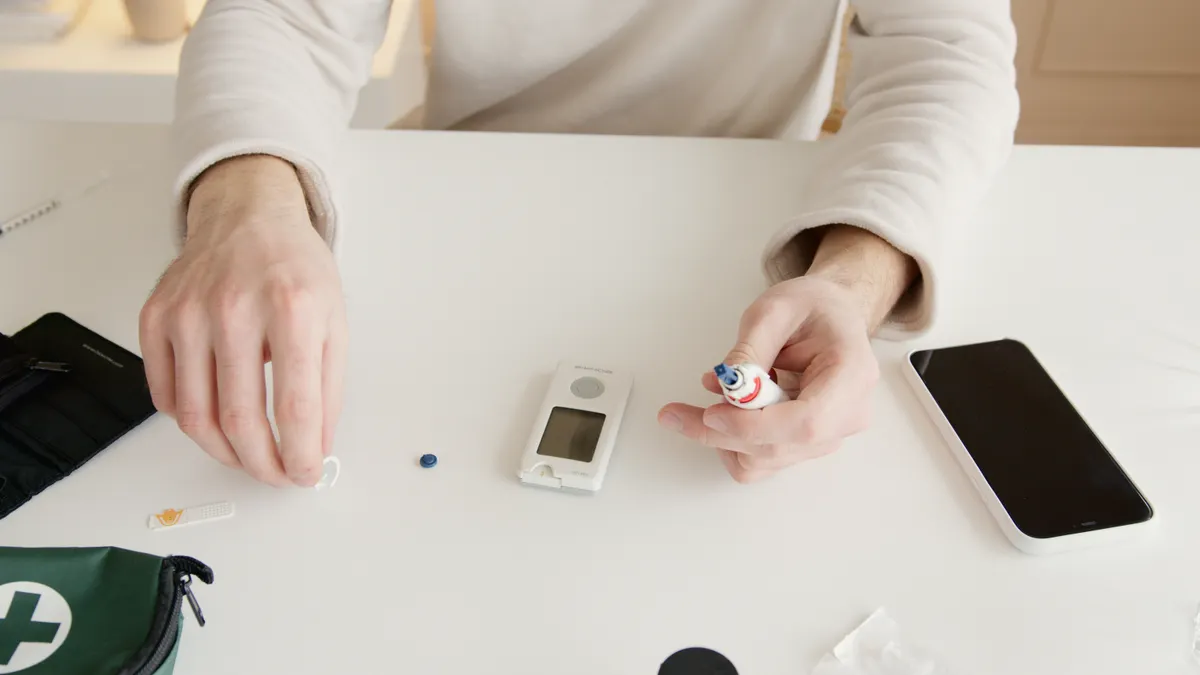
A blood glucose meter often stays in use, because the point of medication is to see how glucose responds, not to stop checking it. If the readings shift down after starting insulin or metformin, that is expected; if they do not shift, or they swing lower than expected, the care team may need to look again at timing, meals, activity, or the medicine itself.
In the published research, the studies on gestational diabetes medication include a mix of reviews, clinical trials, and observational papers. That suggests some advice comes from synthesized evidence, but day-to-day care still depends on individual response, which varies a lot.
How the first days usually go
The first days usually involve checking whether the medicine is doing its job without causing new problems. A practical way to think about it is a short loop: take the medication as planned, keep checking glucose, look for side effects, and report the pattern rather than a single odd number. If you are unsure what to do with a reading, consult a professional rather than guessing.
The studies read for this topic often follow people for weeks, not just days. Those are research details, not recommended doses, but they show that follow-up in the literature often happens over time, while real-world decisions after starting treatment can happen much sooner. For background on gestational diabetes management, see the NHS gestational diabetes guidance and the American Diabetes Association standards of care.
What should I keep doing after I start medicine?
You should keep doing the same basic self-checks your care team already set up, and you should expect those checks to matter more after medication begins. That usually means continuing blood sugar checks with the blood glucose meter, watching meals and activity, and noting any symptoms that seem new or stronger than before.
One useful benchmark from NHS guidance on gestational diabetes is that the oral glucose tolerance test takes about 2 hours, with testing done in the morning after not eating or drinking for 8 to 10 hours, though water is usually allowed, and a second blood sample taken after 2 hours of rest. That matters because the diagnosis was based on a structured test, while medication follow-up depends on repeated home readings over ordinary days.
A common mistake is assuming medicine means the job is done. It does not. Another is treating one good reading as proof the plan is perfect, when the real question is the pattern over several checks and several days. If you need a deeper overview of home monitoring, see the gestational diabetes blood sugar targets page.
What is the follow-up like?
Follow-up is usually faster and more specific than the first appointment after diagnosis. The team is looking for a pattern: are the readings improving, staying high, or dipping too low after the change to insulin or metformin?
Clinical trial registries and published studies show that this area is still being studied, which helps explain why individual plans can differ. The spread across study designs suggests follow-up strategies are not one-size-fits-all, especially when medication starts in different parts of pregnancy.
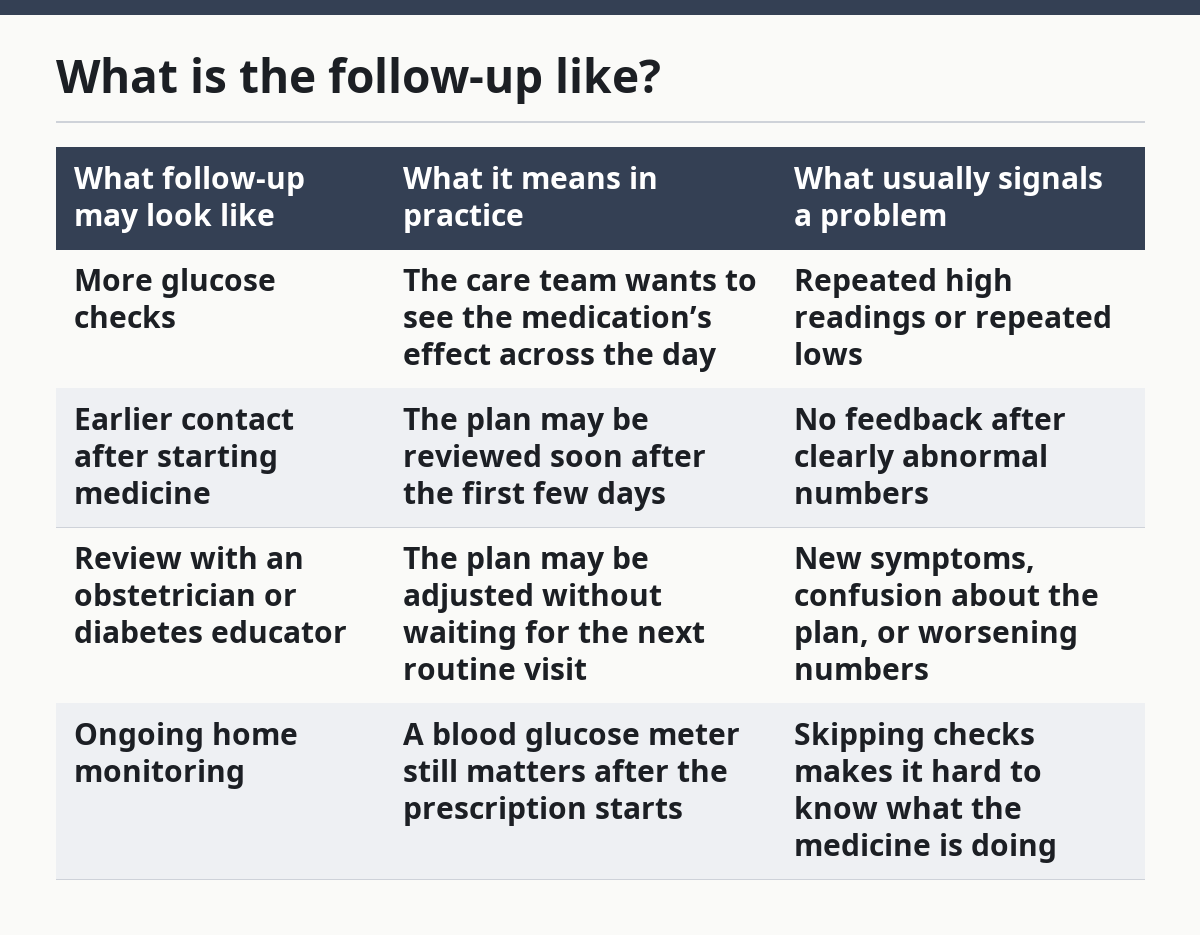
| What follow-up may look like | What it means in practice | What usually signals a problem |
|---|---|---|
| More glucose checks | The care team wants to see the medication’s effect across the day | Repeated high readings or repeated lows |
| Earlier contact after starting medicine | The plan may be reviewed soon after the first few days | No feedback after clearly abnormal numbers |
| Review with an obstetrician or diabetes educator | The plan may be adjusted without waiting for the next routine visit | New symptoms, confusion about the plan, or worsening numbers |
| Ongoing home monitoring | A blood glucose meter still matters after the prescription starts | Skipping checks makes it hard to know what the medicine is doing |
How quickly are changes made?
Changes are often made sooner than people expect, sometimes after a short run of home readings rather than after a long wait. The exact timing varies by individual, but the point of starting medication is to act on the glucose pattern while there is still time to improve control during pregnancy.
That is where the common gap appears between expectation and reality. Many people think starting medication means the answer is fixed; in practice, the first version of the plan is often a trial that needs review. If glucose stays high, if side effects get in the way, or if readings fall lower than expected, the care team may change the plan rather than leave it alone.
A plain rule helps here: if the numbers are not matching the goal your team gave you, do not wait for a big appointment just to mention it. Call sooner if the readings are clearly off, because waiting is the wrong move when the whole reason for medication is to respond to the pattern. For more on follow-up timing, see the gestational diabetes treatment guide.
When should I contact the care team?
I should contact the care team when readings, symptoms, or timing no longer fit the plan. That is especially true after starting insulin or metformin, because the first adjustments are often based on what happens in the first few days, not after a long delay.
Repeated high blood sugar readings: This can mean the current plan is not enough — contact the obstetrician or diabetes educator rather than waiting for the next routine check.
Repeated low readings or symptoms of low blood sugar: This can mean the medicine is too much for your current pattern — get prompt guidance from the care team.
Vomiting, poor intake, or trouble keeping food down: This can change how the body handles medication and food — contact the care team the same day.
New confusion about when to take the medicine or how to pair it with meals: This raises the risk of mistakes — ask for clarification before the next dose.
Any new pregnancy concern, including reduced fetal movement: This is not something to watch quietly — seek urgent advice from your maternity team.
A common error is waiting to mention a problem until a scheduled visit. That can stretch a fix over several days or longer. Another error is changing the medication on your own, which can make the pattern harder to read and can leave the team without the information they need.
What if I am on insulin or metformin?
The experience is different, but the basic expectation is the same: closer follow-up, ongoing glucose checks, and the chance of early adjustments. Insulin and metformin are the two named medicines here, and the right response after starting either one depends on your readings, side effects, and pregnancy stage.
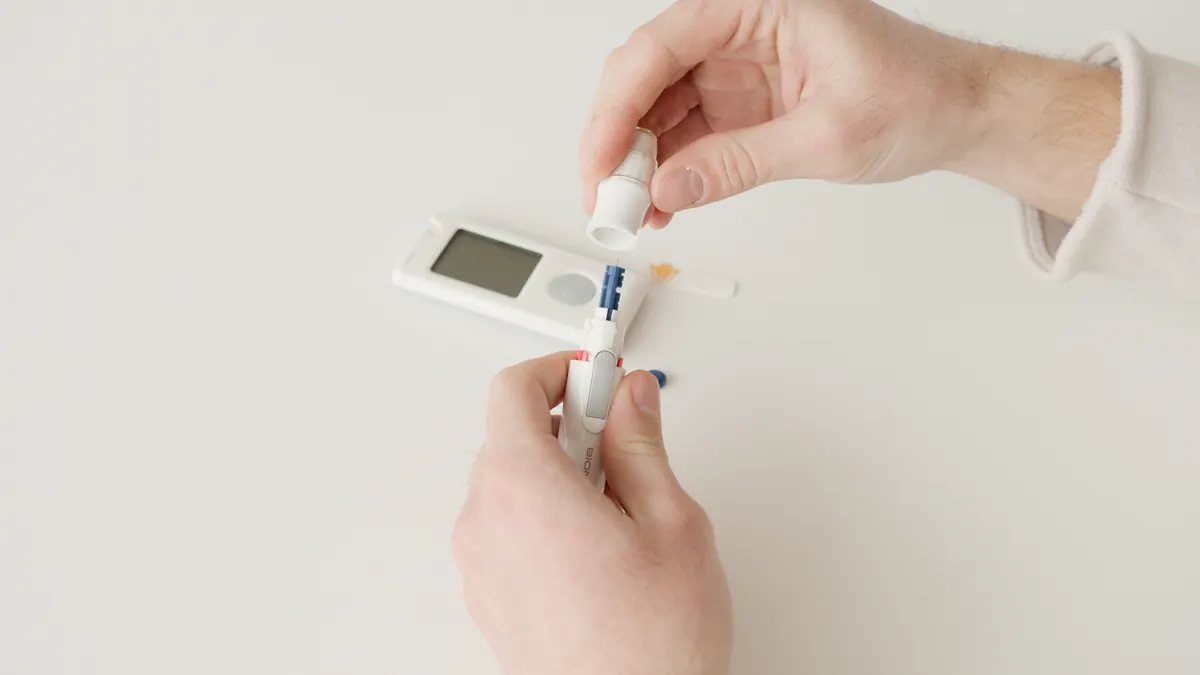
Insulin often means the team is watching for lower glucose soon after starting. Metformin can also shift glucose patterns, but some people find the medicine takes a few days of use before the trend is clear. In both cases, the important thing is not the label on the bottle; it is whether the blood glucose meter shows a pattern that makes sense.
If medication starts late in pregnancy, the follow-up may feel compressed, because there is less time left to observe trends. That does not mean the medicine is failing; it means the team may need faster feedback to keep the plan aligned with the rest of the pregnancy care.
What this does not mean
Starting gestational diabetes medication does not mean something has gone wrong or that you did not manage the earlier steps well enough. It usually means diet and activity alone were not enough for your body’s current insulin needs, which can change during pregnancy.
It also does not mean you should stop paying attention to meals, movement, or the meter. NHS guidance for gestational diabetes says if you are pregnant, the usual timing for birth is before 41 weeks, and it also says you should have a diabetes blood test 6 to 13 weeks after birth, then yearly if the result is normal. That tells you the condition is watched across pregnancy and after birth, not only at the moment the medication begins.
One edge case is a person who had gestational diabetes before and is being screened again. NHS guidance says such a person may have an earlier OGTT after booking, then another at 24 to 28 weeks if the first is normal. That kind of history can change how tightly the team watches the next set of readings. If you want the screening details in one place, see the gestational diabetes diagnosis page.
FAQ
What happens after I start medication for gestational diabetes?
After I start medication, I should expect closer monitoring, not less. The main job is to see whether the blood glucose meter numbers improve and whether the medicine causes any new problems. If the readings do not settle, the care team may review the plan sooner than a routine visit.
Will I still need to check my blood sugar after starting medicine?
Yes, in many cases I still will. The purpose of the blood glucose meter after medication starts is to show the pattern, since the response to insulin or metformin varies by person. If readings are high, low, or inconsistent, that information helps the obstetrician or diabetes educator decide what to do next.
How soon do doctors adjust gestational diabetes medication?
They may adjust it sooner than many people expect, sometimes after only a short period of home readings. The exact timing depends on the pattern, how far along the pregnancy is, and whether there are side effects or low readings. If the numbers are clearly off, contacting the care team early is the safer move.
Drafted with AI; not yet reviewed by a person.