Last updated: November 20, 2026
Quick answer: the 3-hour oral glucose tolerance test usually takes about 3 hours, because the lab repeats blood draws over time to see how your body clears sugar after the glucose drink. If this test is scheduled for you, speak with a qualified clinician about your own situation, because pregnancy, prior gestational diabetes, and other health issues can change how the appointment is handled. The 3-hour oral glucose tolerance test is a series of fasting blood draws, a glucose drink, and repeat samples taken while you wait, and the blood draws are how the lab watches your body clear sugar over time. For background on gestational diabetes testing, see the NHS guidance on gestational diabetes and the MedlinePlus overview of the oral glucose tolerance test.
Key takeaways
- The test is not one blood draw. It is a timed series of draws before and after a glucose drink.
- The waiting matters as much as the needle. The lab is tracking how your blood sugar changes over time.
- Fasting for 8-14 hours with only water is part of the standard setup for the three-hour test, according to Apollo 247.
- If you feel sick, tell the lab staff right away, because nausea or vomiting can change whether the test can continue.
- If you had gestational diabetes before, the NHS says you may be tested earlier and then again at 24 to 28 weeks if the first test is normal.
Who is this for?

Because this page is about the test appointment itself, it is for someone who has been told to take the 3-hour oral glucose tolerance test and wants to know what happens at each blood draw. It assumes you already know the test is about checking blood sugar during pregnancy, not figuring out how to book it or how to read the result. See also pregnancy blood tests and oral glucose tolerance test.
The standard timing matters. The NHS says the OGTT is done when you are between 24 and 28 weeks pregnant, and if you had gestational diabetes before, you may get an OGTT earlier and then again at 24 to 28 weeks if the first test is normal. That timing is part of why this page focuses on the appointment itself, not prep or interpretation.
This page is for learning what the waiting room, the glucose drink, and the repeated phlebotomy draws usually mean. It is not for self-diagnosis, and it is not the place to decide whether you “pass” or “fail” the test.
What happens during each blood draw?
Each blood draw is a timed snapshot that shows how much glucose is in your blood at that point in the test. In a 3-hour OGTT, the lab does not just take one sample and stop; it uses repeated phlebotomy to compare your starting level with later levels after the glucose drink.
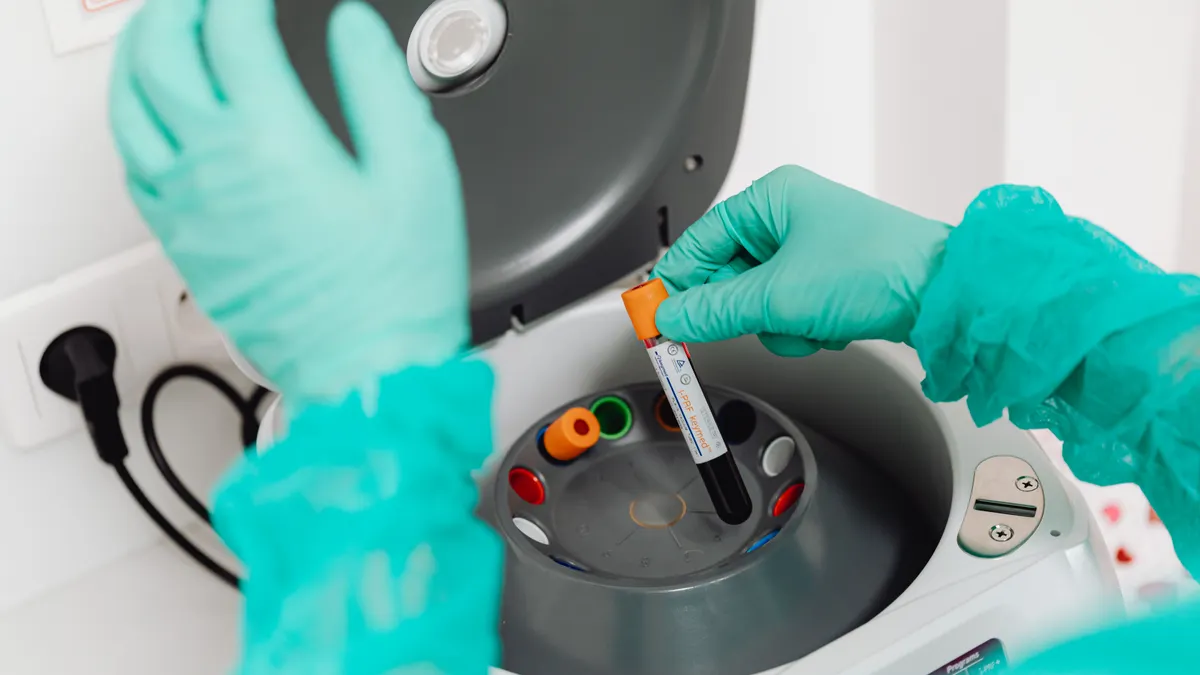
The first draw is usually the baseline sample. This is the fasting blood sample taken before you drink anything but water. The lab is checking the starting point, so the main thing to verify is that you have truly fasted for 8-14 hours, as Apollo 247 describes for the three-hour diagnostic OGTT. If you have eaten or drunk something other than water, that can make the result harder to trust.
Next, the glucose drink is given after the baseline sample. The drink is the part that raises blood sugar on purpose so the lab can see how your body responds. The point is not comfort; the point is measurement. If the drink is not finished the way the staff asks, the later blood draws may not mean what they should.
Later draws come after you have waited. The NHS says that after resting for 2 hours, another blood sample is taken to see how your body is handling glucose. In practice, the important part is the wait between draws, because the lab is comparing numbers across time rather than reacting to one isolated sample.
How does the appointment usually flow?

Therefore, the appointment usually follows a simple order: check in, fasted blood draw, glucose drink, waiting room time, and one or more repeat blood draws. That structure is the whole point of the test, and it is why the appointment feels long even though each draw is quick.
Here is the sequence in plain terms:
-
Arrive and check in. The lab or clinic confirms your identity and the test order.
Verify that you are at the right appointment for the 3-hour oral glucose tolerance test, not a different glucose test. A wrong test order means the timing and blood draws may not match what was intended. -
Confirm your fasting window. The three-hour test is done after fasting for 8-14 hours, with only water allowed, according to Apollo 247.
Verify that you have followed that window. If you have had food, milk, coffee, juice, gum, or anything other than water, tell the staff before the first draw. -
Take the first blood sample. This is the fasting baseline blood draw, usually done by phlebotomy from a vein.
Verify that the sample is taken before the glucose drink. If the drink comes first, the timing of the whole test is off. -
Drink the glucose drink. You are asked to finish the glucose drink so the test can start its timed response period.
Verify that the drink is fully down in the way staff request. If you cannot finish it, the later blood draws may not give a usable comparison. -
Wait in the designated area. The waiting room is part of the test, not wasted time.
Verify that you stay where staff can reach you for the next draw. Leaving the area can delay the schedule and may mean the next sample is late. -
Have the repeat blood draw at the timed point. The NHS describes a repeat sample after 2 hours of rest in the context of glucose handling.
Verify that you are brought back at the right time. If the timing slips, the lab may not be measuring the same phase of glucose handling. -
Continue until the final sample is taken. The 3-hour OGTT ends after the last scheduled draw.
Verify that staff say the testing is complete before you leave. Leaving early means the test may be unfinished. -
Ask what happens next. The sample tubes go to the lab, and the next step is result review by the team that ordered the test.
Verify who will explain the result and when. This page does not cover interpretation, because that depends on the lab and your pregnancy care plan.
Can I leave the lab between blood draws?
Because the blood draw timing is the point of the test, you should usually stay where the staff tells you to stay. The waiting period is not a free block of time; it is part of the measurement itself.
If you leave, even for a short time, you can miss the next timed sample. That can turn a clean 3-hour test into a delayed or unusable one. If you are unsure whether you may step out, ask the lab before the first draw, not after. If you have a mobility or medical issue, a qualified clinician or the lab staff should advise you on what is safest.
| Situation | What it means | What to do |
|---|---|---|
| Stay in the waiting room | Staff can keep the blood draw schedule on time | Remain available for the next call |
| Leave the lab area | The next sample may be late | Ask staff first; do not assume it is fine |
| Need to move because you feel unwell | The schedule may be interrupted | Tell staff immediately so they can advise you |

What happens if I feel sick during the test?
If you feel sick during the test, tell the lab staff right away, because nausea or vomiting can make the sample timing unreliable. The glucose drink can be hard to tolerate for some people, and the staff need to know quickly if you are struggling.
The table below shows the common problem points and why they matter.
| Symptom or event | Why it matters | Typical next step |
|---|---|---|
| Nausea | You may not keep the glucose drink down | Tell staff before it becomes worse |
| Vomiting | The drink may not stay in your system long enough for the test to work | Report it immediately |
| Dizziness or feeling faint | You may need to sit or rest | Ask for help at once |
| Trouble staying still for a draw | The sample may be delayed or harder to collect | Let the phlebotomy staff know |
The test is meant to measure a standard response over a set time, so any illness during the appointment can change what happens next. That does not mean something dangerous is happening, but it does mean the staff need to decide whether the test can continue as planned.
When does the standard test plan not fit?
The standard plan does not fit when the sample timing, fasting window, or pregnancy timing is different from the usual setup. That matters because the 3-hour OGTT depends on a controlled sequence, not just the blood itself.
You did not fast for 8-14 hours: The baseline sample may not reflect a true fasting level — tell the lab before the first draw, because the result may be harder to use.
You drank something other than water: The glucose response may be altered — mention it right away so staff can decide whether to continue.
You could not finish the glucose drink: The later blood draws may not answer the same question — tell staff immediately, since the test may need to stop.
You vomited after the drink: The timing of the test may no longer match the standard pattern — the team may need to change the plan.
You are not in the usual pregnancy window of 24 to 28 weeks: The test may have been ordered for an earlier or different reason — ask the clinician who ordered it what schedule they want.
Specifically, the main trade-off is simple: the more the appointment drifts from the standard setup, the less the blood draws tell the lab what they were meant to tell it. That is why small details like fasting, timing, and remaining in the waiting room matter so much.
What mistakes do people make at the appointment?
People usually make the same few mistakes, and each one can affect whether the blood draws line up with the test plan. The fix is straightforward, but only if the problem is caught early.
-
Eating or drinking before the test. This can disturb the fasting baseline.
The better move is to stick to the fasting window and water only, as Apollo 247 describes. -
Leaving the waiting area without asking. This can cause a missed draw.
Stay where staff can find you for the next phlebotomy sample. -
Forgetting that the test is timed. If you arrive late, the whole schedule shifts.
Treat the appointment as a time-sensitive lab visit, not a drop-in errand. -
Reporting nausea too late. This can lead to vomiting and an incomplete test.
Tell staff early so they can respond before the sample schedule is lost. -
Assuming one blood draw is enough. That misses the whole purpose of the test.
The OGTT works by comparing several samples across the 3-hour window.
How long does the 3-hour glucose test take?
Because the lab is waiting between blood draws to see how your body handles the glucose drink, the test takes about 3 hours. The wait is not a delay in the system; it is the test itself.
That is also why the appointment can feel longer than the blood work looks on paper. The draw is quick, but the timed resting period between samples is what makes the result meaningful. The NHS describes a later sample after 2 hours of rest, which shows how much the schedule matters.
Frequently asked questions
How long does the 3-hour glucose test take?
It takes 3 hours because the lab needs time between blood draws to track your blood sugar response. The blood work itself is brief, but the waiting between samples is part of the appointment, not extra time added on top.
Can I leave the lab between blood draws?
Usually, no, or at least not without asking first. The test depends on exact timing, and leaving can make you miss the next blood draw or throw off the schedule.
What happens if I vomit during the test?
Tell the staff immediately if you vomit during the test. Vomiting can make the glucose drink unusable for the intended timing, and the team may need to stop or change the plan.
Sources
- NHS, Gestational diabetes – NHS
- Apollo 247, Your Glucose Challenge Test Normal Range A Simple Guide
- MedlinePlus, Glucose Tolerance Test
- PubMed (NCBI), query sample computed on 2026-11-10
- ClinicalTrials.gov, query sample computed on 2026-11-10
Drafted with AI; not yet reviewed by a person.