Last updated: November 19, 2026
Key Takeaways
- If your gestational diabetes meal schedule gets interrupted, this guide explains the next step.
- Do not rely on hunger alone.
- If you can eat and your blood sugar plan does not tell you otherwise, eating the delayed meal is usually the most direct fix.
- A missed snack is usually smaller than a missed meal, but it can still change the day’s spacing.
If you have Gestational Diabetes Missed Meal: What to Do If You Skip or Delay Eating concerns, check your blood sugar, use water, and contact your usual pregnancy care team for advice if this happens often or your reading is out of range.
The steps below explain what to do about a delayed lunch, a missed snack, travel delays, and the point where a wait stops being harmless.
What this applies to, and what it does not

Gestational Diabetes Missed Meal: What to Do If You Skip or Delay Eating applies when your meal schedule gets interrupted and you already have a plan. It assumes you know when you usually eat and can do a blood sugar check with the meter your care team recommended.
Here’s the catch: this is about an unexpected missed meal, not a full diet plan and not a rule for routine timing. It does not replace the plan from your obstetric, diabetes, or maternity team. Pregnancy changes blood sugar needs fast, so a plan that fit last week can miss today’s reality.
This page also assumes you are dealing with a short gap, not vomiting, severe illness, or signs that something else is wrong. If you feel shaky, faint, confused, short of breath, or unwell in a way that worries you, get qualified help right away. A missed meal can be simple. It can also mask a bigger problem.
According to PubMed records computed on 2026-11-06, 2,188 PubMed records match this subject for 2016–2026; the 100 most relevant were read and every median, range and share below is computed across those records, and 6 trials are registered on ClinicalTrials.gov for this term; the first 6 were read and every share, median and range below is computed across them. PubMed (NCBI) and ClinicalTrials.gov are the sources.
Among the 100 PubMed records, 16 are tagged Review, 11 Systematic Review, and 10 Meta-Analysis. That mix shows a lot of synthesis, but it still leaves room for different care plans because pregnancy, treatment targets, and meal timing vary by person.
What to do right after you miss a meal
If you miss a meal, the first move is usually to check your blood sugar, then decide whether to eat, sip water, or call for advice based on the result and how you feel. Do not guess from hunger alone.
Picture this: you meant to eat lunch at noon, but a meeting ran long, your bus is late, or your toddler needed attention. You are hungry, your schedule is off, and you want a simple next step, not a lecture. Here is the practical sequence.
- Check the clock first. Note how late the meal is, even if it is only 30 to 60 minutes. Verify whether you are truly late or whether the gap is just your normal meal schedule shifting. If the delay is becoming a pattern, that is a planning problem, not a one-off.
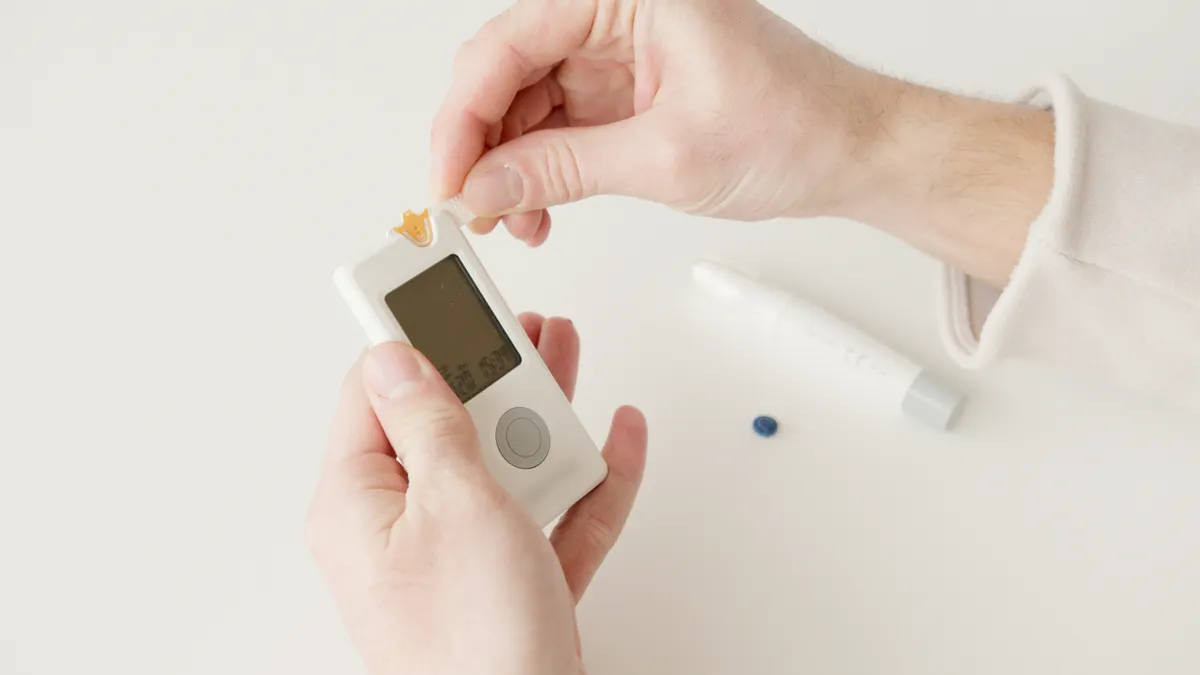
- Check your blood sugar if your plan includes it. Use the meter or continuous glucose monitor your care team has already shown you how to use. Verify the reading before you eat if you are unsure whether hunger is coming from a delay or a low reading. If you do not know how to interpret the number, that is a sign to ask your clinician, not to improvise.
- Drink water. Take a few sips right away, then keep drinking slowly if you can. Verify that you are not dizzy, vomiting, or unable to keep fluids down. Water is useful here because dehydration can make you feel worse and can make a long gap feel more dramatic.
- Decide whether a snack is the bridge. If you cannot eat the full meal yet, a planned snack may be the most practical stopgap. Verify that it fits the meal plan you were given, especially if your team asked you to pair protein, fiber, and carbohydrate in a certain way. A random snack can be less useful than a planned one.
- Eat the delayed meal when you can. If the delay is brief and you are able to eat, have the meal rather than skipping it entirely. Verify that you are not so late that the meal becomes close to the next scheduled eating time, because that can blur the whole day’s pattern and make readings harder to read.
- Track the pattern, not just the event. Write down the missed meal, the time, the reading if you took one, and what you ate. Verify whether the same thing keeps happening on workdays, errands, or travel days. A single missed lunch is one thing; three in a week points to a schedule that needs fixing.
- Ask for guidance if the situation repeats. If missed meals are happening often, or if your readings change in a way you do not expect, contact your pregnancy care team. Verify that the advice you get is specific to your own plan, because gestational diabetes care is not one-size-fits-all.
You do not need a dramatic rescue plan for every delay. You need a repeatable one. If you already have a snack in your bag and know when to check your blood sugar, a missed meal becomes a manageable detour.
Should I eat immediately if I skipped lunch?

If you can eat and your blood sugar plan does not tell you otherwise, eating the delayed meal is usually the most direct fix. The question is not “how fast can I cram food in?” but “what fits the rest of my day without creating another gap.”
Picture this: you missed lunch, it is now mid-afternoon, and you are worried that eating now will throw off dinner. You may also be tempted to wait longer so the next meal “counts more.” That logic can backfire, especially when pregnancy has already made your schedule less predictable.
A delayed lunch often works best as one of three options:
- a full meal if you are close to your normal lunch time,
- a smaller meal plus water if you are running late but still hungry,
- or a snack first if the next real meal is not far away.
The right choice depends on your own meal schedule and the instructions you were given. If your care team has asked you to keep carbohydrates steady through the day, a missed meal can matter more than you think. If they have asked you to check certain readings after meals, the delay can also change what the reading means.
A practical rule is to avoid a long stretch with nothing at all. That kind of gap can leave you drained, make it harder to focus, and make the next eating window messy. It can also tempt you into eating too quickly, which is a bad trade.
Missed snack, delayed lunch, and travel delays: what changes?
A missed snack is usually a smaller problem than a missed meal, but it still matters if it changes the whole day’s spacing. Travel delays and unexpected schedule changes are the real troublemakers because they turn one skipped eating time into a chain reaction.
Picture this: you are on a train, stuck in traffic, waiting for a meeting to end, or chasing a child through a long afternoon. Your usual pattern breaks. You cannot just “wait until later” without thinking about what later means.
Use this quick filter:
- Missed snack: if the next meal is still a while away, a planned snack may help bridge the gap.
- Delayed lunch: if the delay is short, eat when you can; if it is long, decide whether a snack first makes more sense.
- Travel delay: keep water with you and know where your meter is before you leave.
- Unexpected schedule change: if the new timing keeps happening, the meal schedule needs a backup plan.
One common mistake is treating every gap the same; when a delay keeps repeating, ask your care team how to handle it. A 20-minute delay does not call for the same move as a three-hour delay. Another is assuming hunger is the only cue that matters; in pregnancy, the clock and the glucose reading matter too.
On the flip side, do not force food if you are nauseated, vomiting, or unable to keep fluids down. That shifts the problem from timing into a different medical issue, and it needs real attention.
When a missed meal is not something to brush off
A missed meal is not the same as a safety emergency, but some situations should not be handled casually. The consequences range from a bad reading to needing urgent assessment, depending on what else is happening.
Picture this: you skipped a meal, but now you also feel shaky, weak, sweaty, or confused. Or the delay happened because you were sick, not merely busy. Or you cannot tell whether your reading is low because you have not checked it.
Shakiness, sweating, confusion, or faintness: these can point to low blood sugar or another problem — check your glucose if you can and get prompt help if symptoms are severe or do not settle.
You cannot keep food or water down: this is not just a missed meal anymore — you may need urgent medical advice, especially in pregnancy.
Your usual meal plan is breaking down several times a week: this means the schedule is not realistic — contact your care team to adjust meal timing or snack placement.
You missed a meal and also missed a blood sugar check you were told to do: this means you have less information than you need — check as soon as you safely can and ask how to handle the gap.
You are traveling, working a long shift, or caring for someone else and keep going too long without eating: this means the environment is beating the plan — pack a snack, water, and your meter before the next long stretch.
Your clinician gave you a different plan for your own pregnancy: this overrides generic advice — follow the plan you were given and ask for clarification if it no longer fits.
A missed meal is often manageable. A missed meal plus symptoms, illness, or repeated schedule failure is a different situation.
The mistakes people actually make
The wrong move is often not dramatic. It is usually a small choice that makes the rest of the day harder. A missed meal can snowball if you handle it on autopilot.
Picture this: you are trying to be “good” about food, so you wait too long, skip the snack, or save everything for dinner. That can look disciplined on paper and still be a poor fit for gestational diabetes.
Common mistakes:
- Waiting for hunger to get stronger. Hunger is not a timing plan. It can lead to a long gap and a rushed meal later.
- Skipping the blood sugar check. Then you are guessing whether the problem is timing, hunger, or a reading that needs attention.
- Replacing a meal with random snacks. That can leave you underfed, overfull, or off schedule.
- Drinking only coffee or sweet drinks. Those are not the same as water and can muddy the picture if you are trying to understand a missed meal.
- Treating one bad day as proof the whole plan is wrong. One delayed lunch is not the same as a failed routine.
- Ignoring repeat patterns. If travel, work, or childcare keeps causing missed meals, the schedule needs backup support.
The correct alternative is boring but effective: check, drink water, eat the next appropriate thing, and log the pattern. That is how you find out whether your plan needs a tweak.
How to build a backup plan for next time
A missed meal is easier to handle when you have a backup plan before the delay happens. The plan does not need to be fancy. It needs to fit your real life, not an ideal day on paper.
Picture this: you already know your lunch might get pushed back by a meeting, a school pickup, or a long drive. You can prepare a simple fallback instead of hoping the day stays polite.
A practical backup plan usually includes:
- a snack you can keep with you,
- water you can reach without hunting for it,
- your blood sugar check supplies if you use them,
- and a note of your normal meal schedule.
If your day includes a long commute or a work shift, think in blocks of 2 to 4 hours rather than “morning” and “afternoon.” That makes it easier to spot a gap before it becomes a missed meal. If your routine keeps changing, ask your care team how to adjust the plan you already have.
The truth is, most missed meals are not about willpower. They are about timing, access, and the fact that life does not stop for pregnancy appointments.
A deeper guide to routine spacing belongs on the main meal timing page in this cluster, which is where the broader questions about spacing meals and snacks get answered.
What a good result looks like
A good result is not “I never missed a meal again.” A good result is that when a meal gets delayed, you know what to do without panic.
Picture this: you miss lunch, check your blood sugar if that is part of your plan, drink water, eat when you can, and keep moving. Later, you notice the pattern and fix the real problem, which may be travel, work timing, or a snack that needs to be easier to carry.
The marker of a working plan is simple: fewer long gaps, fewer surprises, and fewer moments where you are stuck wondering whether to eat now or wait. If your current plan keeps failing in real life, that is not a moral problem. It is a plan problem.
Studies in this area are still mixed and varied, which is why pregnancy teams rely on individual targets and self-monitoring rather than one universal script. In the 100 most relevant PubMed records read for this query, the median publication year was 2022, the median study duration figure in abstract text was 26 weeks, and the median dose figure appearing in abstracts was 125 mg; those figures describe the literature sample, not a recommendation.
What if I miss a meal during pregnancy?
If you miss a meal during pregnancy, check your blood sugar if that is part of your plan, drink water, and eat when you can. A short delay is usually handled by getting back to your schedule, but repeated misses deserve a conversation with your care team.
Drafted with AI; not yet reviewed by a person.