Last updated: November 19, 2026
Key Takeaways
- A low reading can appear as symptoms, a meter number, or both.
- Treat with fast carbohydrate first, then recheck, then decide whether to contact your care team.
- A quick sugar first, then a longer-lasting snack if a meal is not soon, is the usual pattern.
- Contact your care team when lows repeat, symptoms are strong, or a reading stays low after treatment.
Gestational diabetes low blood sugar after a reading means the meter showed a low number and you need to act on it now. Quick answer: treat the low within about 15 minutes, recheck, and call your care team if it keeps happening. This guide covers the steps, the snack options, and the warning signs that need help for gestational diabetes low blood sugar after a reading.
Who this applies to, and what you need on hand
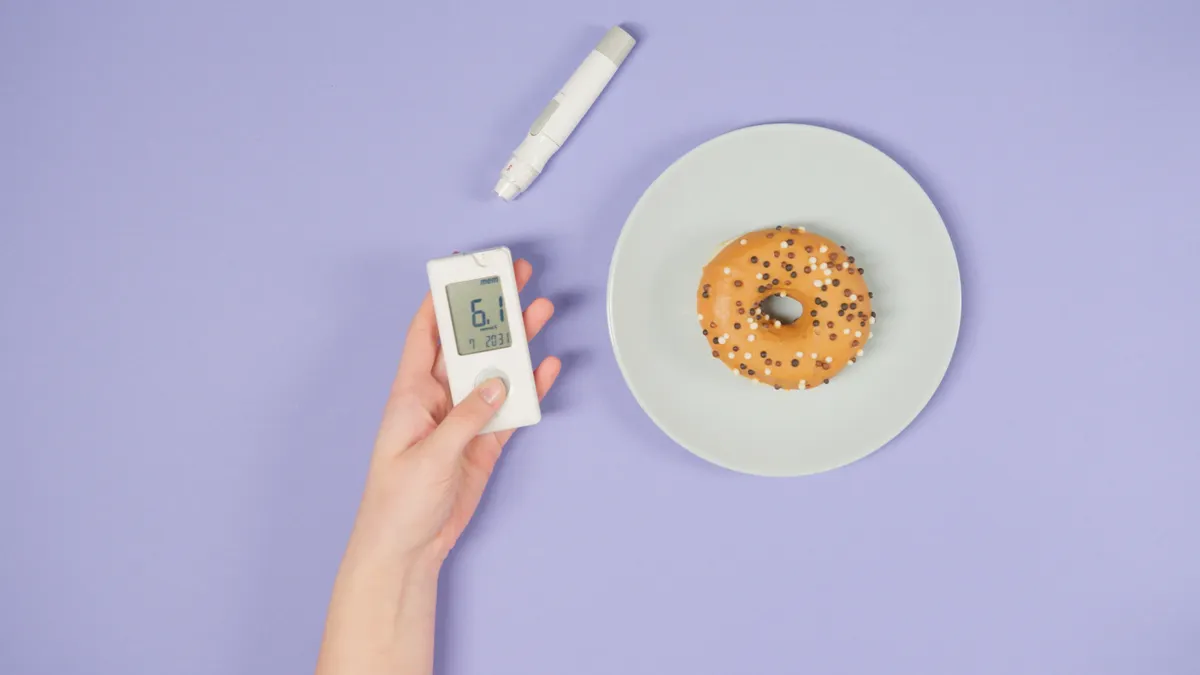
This applies if you’re checking blood sugar at home for gestational diabetes and get a low reading on your glucose meter. It assumes you already have your meter, test strips, juice, crackers, and a way to contact your care team. The safer path is to ask a qualified clinician about your own pattern, because pregnancy changes the stakes and the target range can vary by plan.
Picture this: you’ve just finished a finger-stick test, the number is lower than you expected, and now you’re staring at the meter and a glass of juice. You want a clear next move, not a lecture. The answer depends on how low you are, whether you have symptoms, and whether the reading fits a pattern after exercise, a missed meal, or too little carbohydrate.
A low reading matters because pregnancy can make blood sugar swings feel sharper. The first job is not to panic. The first job is to confirm the low, take a quick source of carbohydrate if your care plan allows it, and watch for symptoms such as shakiness, sweating, dizziness, hunger, or a fast heartbeat.
For home monitoring basics, the American Diabetes Association explains blood glucose monitoring in diabetes care, and NIDDK describes gestational diabetes management in plain language. The best place to start on this site is the gestational diabetes blood sugar testing hub, which explains how home monitoring fits into the larger plan.
Here’s the catch: a single low reading can be real, or it can be a meter problem, a dirty finger, or a test taken too soon after exercise. That’s why the next step is usually a check, not a guess.
- What you need ready: glucose meter, strips, juice, crackers, water, and your clinic’s phone number.
- What you should know already: your usual meal plan and when you last ate.
- What should be clear before acting: whether the reading is lower than the range your care team gave you.
What a low reading can look and feel like
A low reading can show up as symptoms, a meter number, or both. In pregnancy, some people feel shaky or sweaty before the number looks dramatic, while others feel little at all and only notice the meter result. That gap is why home testing matters.
Picture this: you feel “off” after a walk, but not sick enough to lie down. Then your meter shows a low result, and now the question is whether it’s a true low blood sugar event or a reading that needs another check. Common symptoms include trembling, sweating, lightheadedness, nausea, confusion, blurred vision, and hunger.
On the flip side, some people feel fine even when the number is low. That’s one reason a home meter should not be used like a guess. If the reading is unexpectedly low and you have no symptoms, wash and dry your hands, then repeat the check if your plan calls for confirmation.
These clues matter:
- Shakiness or sweating: often points to a real low.
- Dizziness or weakness: can make standing unsafe.
- Blurred thinking: means you should not keep “figuring it out” alone.
- No symptoms at all: still needs attention if the meter says low.
What to do next after a low blood sugar reading
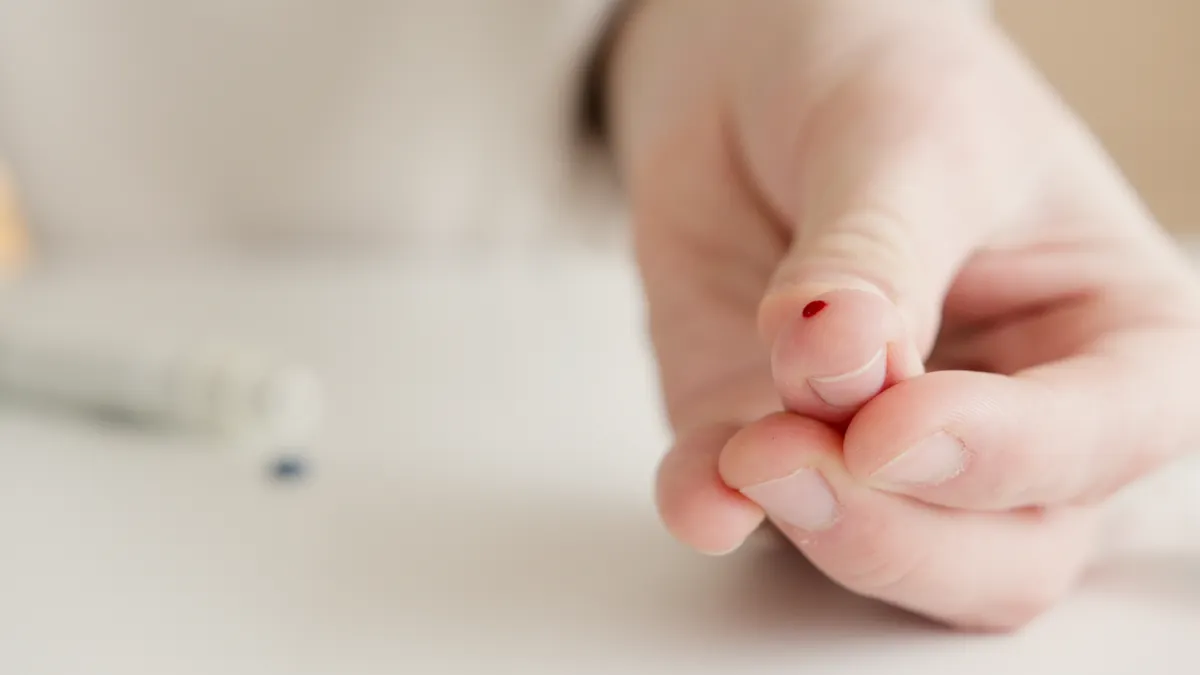
Take fast carbohydrate first, then recheck, then decide whether you need your care team. That is the core sequence for a low reading, and it usually happens over about 15 minutes, though your own plan may differ. Clinical guidance on hypoglycemia treatment supports fast carbohydrate and repeat testing, but you should follow your own care plan or ask a clinician for individualized advice. For general guidance, the CDC and the American Diabetes Association both stress prompt treatment and reassessment.
Picture this: you have juice in one hand and a meter in the other, and you need a simple sequence. You do not need a long lecture. You need a short routine that tells you what to do, what to verify, and when the plan is not working.
- Confirm the reading. Wash and dry your hands, then repeat the finger-stick if the result seems off. Verify that the strip is not expired and the meter error screen is clear. A sticky finger or a bad strip can make a low look lower than it is.
- Check your symptoms. Notice shakiness, sweating, dizziness, hunger, or confusion. Verify whether you can think clearly and swallow normally. If you cannot think straight or swallow safely, that is a problem that needs urgent help.
- Take a fast sugar source. Use juice or another quick carbohydrate that your care team has said is acceptable. Verify that it is a fast source, not a high-fat snack that digests slowly. Crackers can help after the first fast sugar, but they are not the first fix for a low.
- Wait briefly. Recheck after about 15 minutes if that matches your plan. Verify that the number rises into a safer range. If it does not budge, the low may be continuing or the meter may need a second look.
- Add a follow-up snack if needed. If your next meal is not soon, use a snack with carbohydrate plus protein, such as crackers with peanut butter, if your care team has approved that pattern. Verify that you are no longer shaky or faint. A quick sugar alone can wear off.
- Review the trigger. Think about exercise, a delayed meal, vomiting, or a larger-than-usual dose of medication if you use any. Verify whether the low followed a walk, housework, or a longer gap between meals. A pattern matters more than one isolated reading.
- Contact your care team if lows repeat. Call if you keep seeing low readings, especially at the same time of day. Verify whether your meal plan, activity, or medication schedule needs review. Recurrent lows are not something to shrug off in pregnancy.
- Get urgent help if the situation is severe. If you are confused, fainting, having trouble swallowing, or cannot get the reading up, seek urgent medical help. Verify that another adult is with you if possible. Severe hypoglycemia is a safety issue that needs prompt medical attention.
A low reading that corrects quickly is still worth noting in your log. Write down the time, the number, what you ate, and whether exercise was involved. That record helps your care team see whether you need changes later.
What should I eat after a low?
A small fast sugar first, then a more lasting snack if you are not about to eat a meal, is the usual pattern. Juice is one of the real things people keep nearby for this exact reason, and crackers are a common follow-up because they are easy to keep in a bag or drawer.
Picture this: the low has passed, but you still feel a little empty and you know your next meal is not for an hour. You do not need a feast. You need a snack that keeps you from dipping again without turning the fix into a new blood sugar problem.
If the meal is close, a smaller follow-up may be enough. If dinner is far off, a snack with carbohydrate and protein can help reduce another drop. The exact snack depends on what your care team has already told you to use.
Use this as a practical filter:
- Fast fix: juice or another quick carbohydrate.
- Bridge snack: crackers, preferably with protein if your plan allows it.
- Not the right first move: a heavy, high-fat snack that slows absorption.
- Best clue that the snack worked: the meter rises and symptoms ease.
Do not treat the snack as a substitute for follow-up if lows keep repeating. That pattern can point to a schedule issue, a meal gap, or an exercise-related drop that needs a clinician’s eye.
When should I call my doctor for a low reading?
Call your care team when low readings repeat, when symptoms are strong, or when a reading does not come back up after you treat it. You should also call if lows start after exercise, after a missed meal, or after a change in medication timing, because the pattern may need a plan change.
Picture this: the meter says low twice this week, both times after a walk, and now you are wondering whether that is just bad luck. It may not be. Repeated lows deserve a call because gestational diabetes plans are built around patterns, not one-off guesses.
Use this list to judge urgency:
- Low reading that does not improve: means the correction may not be enough — get help quickly.
- Repeated lows in a week: means the pattern needs review — call your care team.
- Low with confusion or fainting: means the situation is more serious — seek urgent help.
- Low after exercise: means your activity plan may need adjustment — ask for guidance.
- Low after a missed meal or vomiting: means food timing or illness may be driving it — contact your clinician.
If you feel unsure, err on the side of calling. Pregnancy is not the time to “wait and see” if a low reading keeps repeating.
Why low blood sugar can happen after exercise
Exercise can drop blood sugar because your muscles use glucose more efficiently for a while after activity. A short walk, a long chore session, or a workout can all do it. Because of that shift, the reading can be lower after movement than it was before.
Picture this: you finish a 25-minute walk, test because that is part of your routine, and the number comes back lower than usual. That is a useful clue, not a failure. It tells you the timing of movement and meals may need a closer look.
What to watch for:
- Exercise without a snack: more likely to drop the reading.
- Long gap since the last meal: raises the chance of a low.
- Activity late in the day: can affect the next reading too.
- Repeated exercise-related lows: should be discussed with your care team.
The practical move is to track the link between activity and reading. If the same kind of movement keeps causing lows, your care team can help you review timing, meals, and monitoring. I’m not giving you a plan change here; I’m saying the pattern itself is worth reporting.
What people get wrong with a low reading
The biggest mistake is treating a low like a number problem instead of a body signal. Another mistake is reaching for the wrong snack, then wondering why the reading stays low. A third is ignoring repeated lows because the number came back up once.
Picture this: you saw a low, ate a handful of crackers, and then sat back down without rechecking. Twenty minutes later you still feel shaky. That is the point where the first move was not enough, not the point where you should just hope.
Common errors and their cost:
- Waiting too long: the low can worsen — treat it promptly.
- Using only a slow snack first: the sugar may not rise fast enough — use a quick source first.
- Not rechecking: you lose the only proof that the fix worked — repeat the test when your plan says to.
- Ignoring the trigger: the same problem keeps coming back — review exercise, meals, or medication timing.
- Assuming all low numbers are the same: the response can differ if you are symptomatic or not — match the response to the situation.
A low reading is not the time for perfection. It is the time for a clear sequence and a follow-up plan.
What to keep in your bag, kitchen, or car
Keep a meter, strips, juice, crackers, water, and your care team’s number in the places you actually live your day. That is the easiest way to handle a low without scrambling. A small kit beats a perfect plan that is always in another room.
Picture this: you are out for an appointment, a walk, or a grocery run, and the low hits away from your kitchen. If you already have the basics with you, you can respond in minutes instead of searching for change in a vending machine.
A practical kit should include:
- Glucose meter: so you can confirm the reading.
- Test strips: so the meter is usable.
- Juice: for a fast carbohydrate source.
- Crackers: for a follow-up snack.
- Phone number for your care team: so you can report repeated lows.
- Water: helpful if you feel shaky or dry, though not a fix for low blood sugar.
This is also where the timing of your last meal matters. If you leave home after a small breakfast and a morning walk, you are more likely to need the kit than if you leave after a fuller meal. That detail can spare you a lot of guessing.
FAQ
What if my blood sugar is low after testing?
Treat it as a real low until you have reason to think otherwise. A quick carbohydrate, then a recheck after about 15 minutes if that fits your care plan, is the usual next step. If the number keeps dropping or you feel faint, contact your care team.
How do I treat low blood sugar during pregnancy?
Use a fast source of sugar first, then recheck and follow up if needed. Juice is a common quick option, while crackers or another snack may help keep the level steadier if your next meal is not soon. Ask your care team for your own plan, because pregnancy guidance can vary. The American Diabetes Association and NIDDK both offer patient guidance on diabetes and pregnancy care.
When should I call my doctor for a low reading?
Call if the low reading keeps happening, if symptoms are strong, or if the number does not improve after you treat it. Call sooner if the low happens after exercise, after a missed meal, or with confusion, fainting, or trouble swallowing. Those patterns need professional review.
Drafted with AI; not yet reviewed by a person.