Last updated: November 19, 2026
Quick Answer: A slightly high fasting blood sugar reading in gestational diabetes is usually a reason to recheck the pattern, not panic over one number, and if it repeats you should speak to your obstetric care team or a diabetes educator.
A slightly high fasting blood sugar reading in gestational diabetes is usually a signal to recheck the pattern, not a reason to panic over one number. Speak to your obstetric care team or a diabetes educator about your own readings, because the right next step depends on your log, your timing, and your pregnancy plan. This article on what to do with a fasting blood sugar reading that is slightly high in gestational diabetes stays focused on that one question.
Who this applies to, and what I am assuming
This applies to someone who already has gestational diabetes, already has a fasting glucose reading in a blood sugar log, and has seen one fasting result that is only a little above the target set by their care team. It assumes the reading was taken after an overnight fast, usually around 8 to 12 hours without food, and that the meter was used in the usual way from a finger-stick sample.
I am not talking about one random high reading after a meal, and I am not covering how to monitor blood sugar or how to set targets; those belong on the hub page for gestational diabetes glucose monitoring and targets. I am also not asking you to self-adjust treatment; please consult your obstetric care team or diabetes educator before changing anything, since the right response depends on the individual pregnancy and current plan. In pregnancy, a borderline result can mean ordinary day-to-day variation, a missed step in the morning routine, or an early pattern that deserves a call.
The practical question is simple: was this a one-off, or is it becoming a trend? That distinction matters more than the single number on the screen. If you have symptoms, if your pregnancy is already being watched closely, or if you are not sure the reading was truly fasting, this is a good time to contact the obstetric care team rather than guess.
What a slightly high fasting reading usually means
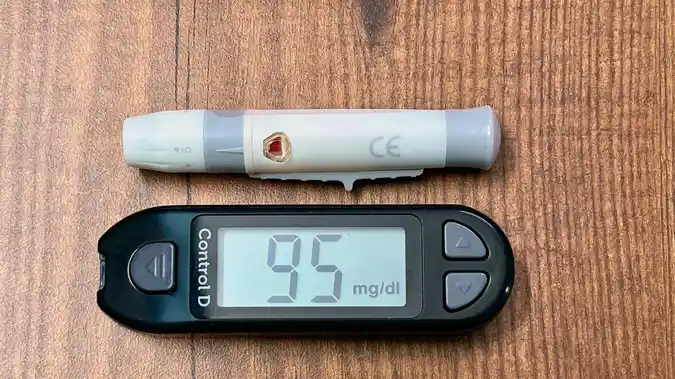
A slightly high fasting reading usually means the body’s overnight glucose control was a little off that morning, but one number alone does not tell the whole story. In gestational diabetes, fasting glucose is often the most stubborn part of the day because it reflects what happens overnight, before breakfast, after the long gap between meals.
The first thing to check is whether the reading is truly “fasting.” That means no calories for the overnight period, not “I had nothing since bedtime except coffee with cream, a piece of fruit, or a few crackers.” Even small morning inputs can change the result. Hand contamination can do it too; residue from fruit, lotion, or sugary drinks can distort a finger-stick result if hands were not washed and dried before the test.
A borderline number can also come from normal meter variation. Home glucose meters are useful tools, but they are not laboratory analyzers. A difference of a few points can happen from timing, strip handling, or blood sample quality. That is why a single reading is a clue, not a verdict.
The question to ask is whether the fasting result is isolated. One raised value after several in-range days is different from a cluster of similar morning readings across 3 or more days. Pattern matters because gestational diabetes management is usually based on trends, not one-off blips. If you are looking for a hard rule, there usually is not one in a single number; the care team looks at the log, the context, and the rest of the pregnancy picture.
How to recheck the morning reading the right way
A slightly high fasting number should be rechecked under clean, consistent conditions before you read too much into it. The goal is not to “beat” the meter; the goal is to make the next fasting glucose reading more trustworthy.
- Confirm the fasting window: Make sure at least 8 hours, and often overnight, have passed without food or caloric drinks. Verify that only water was taken, and if there was coffee, milk, juice, gum, or a bedtime snack too close to the test, the result is less useful.
- Wash and dry your hands: Use soap and water, then dry completely before the finger-stick. Verify that the skin is free of food residue or lotion. If hands were not washed, a falsely high result is possible.
- Check the meter and strips: Confirm the strips are not expired and were stored as directed by the manufacturer. Verify the meter has enough battery and the strips were not exposed to heat or humidity. If strips were left open or damaged, the result may be unreliable.
- Retest once if the number is unexpected: Use a fresh strip and a new finger-stick if the reading is only slightly higher than usual or does not fit the rest of the week. Verify whether the second result is closer to the pattern in your log. If the two readings differ widely, the problem may be technique or strip quality.
- Write it down with the time and context: Record the number, the exact time, the number of fasting hours, and any sleep disruption, nausea, or late-night snack. Verify that the blood sugar log shows what happened before the reading. If the log is incomplete, the pattern is hard to interpret.
- Compare with recent mornings, not just one target: Look at the last 3 to 7 fasting readings. Verify whether this number is alone or part of a run of higher mornings. If several readings are rising together, that suggests a pattern rather than random variation.
- Check the morning routine: Note whether the test was delayed, whether you woke unusually early, or whether there was poor sleep. Verify whether anything changed in bedtime, overnight eating, or stress. If the routine changed, that may explain a borderline result without meaning the whole plan has failed.
- Share the pattern with the care team: If a slightly high fasting result repeats, bring the log to your obstetric care team or diabetes educator. Verify that they can see the full context, not just a single digit. If repeated readings are drifting upward, that is a reason for professional review, not self-correction by guesswork.
This is often the safest practical approach to a borderline fasting result because it reduces noise, but it is not a guarantee and it does not replace clinical judgment. A single data point can be misleading; 3 to 7 mornings give a much better picture. If the reading still looks high after a careful retest, the next step is usually communication, not improvisation.
Is one high fasting reading a concern in gestational diabetes?
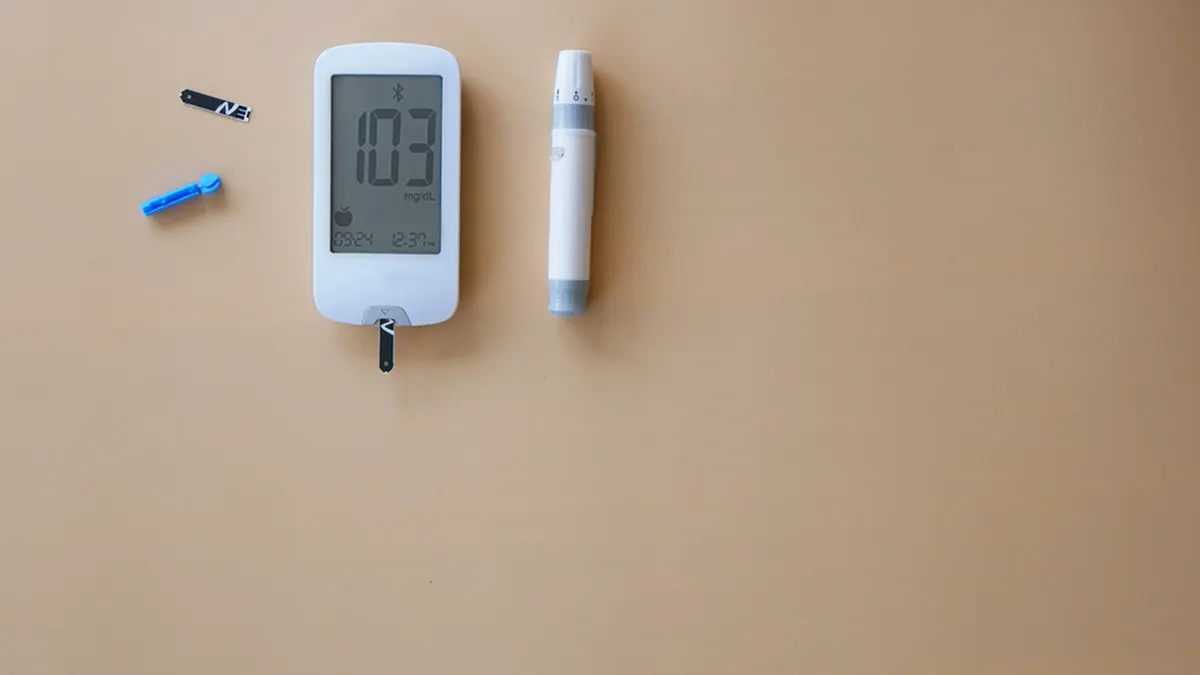
One high fasting reading is not usually treated the same way as a pattern of high fasting readings. A single result can happen because of timing, sleep, a late snack, a meter issue, or plain variation from day to day. If you are unsure how to interpret it, ask your obstetric care team or diabetes educator before making changes.
The concern rises when the numbers repeat. If fasting glucose is slightly high on several mornings in the same week, that is more useful than a lone outlier. In that case, the blood sugar log starts to show a pattern, and patterns are what the obstetric care team uses to decide whether the current plan still fits.
A common mistake is to panic over one high number and ignore the next few mornings. The better approach is to watch the trend over 3 to 7 days and bring that trend to a qualified professional. That is especially true if the result is only mildly above the expected range and the rest of the day’s readings are steadier.
It also matters whether the reading was truly fasting. A “slightly high” result after 7 hours of sleep, a coffee with cream, or a delayed test after waking is not the same as a clean 8- to 12-hour fasting glucose reading. The context can turn a confusing number into a manageable one.
When to contact the obstetric care team
Contact the obstetric care team when the fasting reading is not a one-off, when the pattern is unclear, or when the morning number keeps repeating above the target you were given. In gestational diabetes, the point is to catch a trend early, not to wait until the log is obviously off.
Two or more fasting readings are slightly high over several days: This suggests a pattern rather than a fluke — contact your obstetric care team or diabetes educator and share the blood sugar log.
The reading was taken after less than 8 hours of fasting: The result may not be comparable to your usual fasting glucose reading — repeat under standard conditions and tell the team if uncertainty remains.
Breakfast was delayed, skipped, or taken after a stressful morning: Sleep loss, stress, and routine changes can shift morning glucose — mention the context when you ask for guidance.
Handwashing or strip handling was not ideal: The number may be less reliable — retest correctly before concluding anything about your pregnancy pattern.
You have been told to report trends early: Some pregnancies need closer follow-up than others — follow the instructions already given by your care team rather than waiting for more data.
What the call usually accomplishes is clarification. The team may ask for more days of readings, may look at the rest of the log, or may decide the morning pattern deserves a closer review. I am not describing a treatment plan here, because that depends on the individual pregnancy and should come from a qualified professional. For background on gestational diabetes follow-up, see the CDC overview of gestational diabetes and the American Diabetes Association standards of care.
The mistakes that make a borderline fasting result look worse
A borderline fasting reading gets misread most often when the process around it is sloppy, rushed, or overinterpreted. The mistake is not the number itself; it is treating the number as if it were the whole story. If you are unsure whether the reading is meaningful, check the log with your obstetric care team or diabetes educator.
One common error is testing after a not-quite-fasting night. A snack at 2 a.m., a sweet drink, or even coffee with milk can change the result. The consequence is a reading that looks like a fasting problem when it may really be a timing problem. The correct alternative is to standardize the overnight window and write it in the log.
Another error is washing hands poorly. If the skin has residue from food, lotion, or sugar, the finger-stick can read higher than the blood actually is. The consequence is unnecessary worry and possibly unnecessary calls. The alternative is simple: soap, water, dry hands, then test.
A third error is reacting to one number in isolation. The consequence is overreacting to noise and missing the real trend. The alternative is to compare the morning result with several prior readings and look for repetition over 3 to 7 days.
A fourth error is changing eating habits or routines on the basis of a single result without telling the care team. The consequence is a log that becomes harder to interpret and a pregnancy plan that no longer matches the data. The alternative is to record what happened, keep the routine steady, and bring the pattern to the obstetric care team or diabetes educator.
A fifth error is assuming the meter is always wrong or always right. The consequence is either dismissing a real pattern or worrying over a device issue that could have been checked. The alternative is to verify strips, timing, and technique before drawing conclusions.
When the standard approach does not apply
The standard “recheck and watch the pattern” approach does not apply if the fasting reading cannot be trusted, if the pattern is clearly worsening, or if your care team has already given you different instructions. Those are the moments to stop trying to interpret the number on your own and ask a professional for direction.
The reading was not taken under fasting conditions: The result is not a clean fasting glucose value — repeat it under proper conditions and let the team know.
Several fasting numbers are high in a row: This is no longer a one-off borderline result — contact the care team promptly with the log.
Your meter, strips, or technique changed: A device change can shift the numbers — verify the setup before comparing old and new readings.
You have symptoms or feel unwell: The situation may need attention beyond routine log review — seek qualified medical advice.
Your obstetric care team gave you specific reporting instructions: Those instructions override general advice — follow the plan you were given.
The key trade-off is simple: waiting too long can blur a pattern, but overreacting to a single number can cause needless stress. The right move depends on whether the result is isolated, repeatable, and trustworthy.
How this fits into the bigger gestational diabetes picture
A slightly high fasting blood sugar reading matters because fasting tends to reflect the overnight baseline, not just one meal. That makes it useful, but it also makes it easy to misread if the overnight routine changed.
The larger picture includes the rest of the blood sugar log, the timing of meals, the quality of sleep, and the way your pregnancy is being followed. A fasting reading that is borderline once is a data point. The same reading repeated across several mornings is a pattern. That distinction is the center of the whole issue.
For a broader framework, the hub page on gestational diabetes glucose monitoring and targets belongs next; this article is only about what to do after one borderline fasting result. If you want the range, the schedule, and the broader monitoring picture, that is the right place to go.
Current research activity is active but not definitive enough to turn one borderline result into a self-directed treatment change. On PubMed, 5,750 records match this subject for 2016–2026; the 100 most relevant were read and every median, range, and share here is computed across those records, using PubMed (NCBI) on 2026-10-27. On ClinicalTrials.gov, 23 trials match this term; the first 23 were read and every share, median, and range here is computed across them, using ClinicalTrials.gov API v2 on 2026-10-27. That is a lot of research activity, but it does not replace the advice of a qualified clinician for your specific pregnancy.
For more on gestational diabetes monitoring, see the CDC, the American Diabetes Association, and the NIH/NHLBI gestational diabetes resources.
Key takeaways
- A single mildly high fasting number is usually a prompt to verify the reading, not a crisis.
- The overnight fast, handwashing, and strip quality matter before you read too much into the result.
- Trends over 3 to 7 mornings are more informative than one isolated value.
- If the pattern repeats, the right next step is to contact the obstetric care team or diabetes educator.
- If the reading was not truly fasting, or the setup was off, repeat it under clean conditions before worrying.
Is one high fasting reading a concern in gestational diabetes?
One high fasting reading can happen for ordinary reasons, and it does not automatically mean the whole pattern has changed. The more important question is whether the next morning reading repeats, and if it does, you should contact your obstetric care team or diabetes educator for advice.
Drafted with AI; not yet reviewed by a person.