Last updated: November 19, 2026
Key Takeaways
- You may be referred when glucose numbers, medical history, or pregnancy care need more than routine follow-up.
- A specialist often joins when the pregnancy has extra risk and needs closer review.
- The referral usually means a clinician will review your chart, check glucose patterns, and plan follow-up.
- A referral often comes sooner when the pregnancy is already being watched closely.
A gestational diabetes referral can happen after one abnormal reading, repeated high numbers, or a pregnancy that needs closer oversight. Gestational Diabetes Referrals: When You May Be Sent to a Specialist often happen when your ob-gyn wants tighter glucose support, extra pregnancy monitoring, or help from an endocrinologist, maternal-fetal medicine specialist, dietitian, or diabetes educator. The sections below sort out why referrals happen, what they usually mean, and when they are more likely.
Gestational diabetes care is not a single visit; it’s a team question. The guide to the broader gestational diabetes care team belongs here, too, because referral decisions are often about who should join care next, not about one test alone.
Why a referral happens
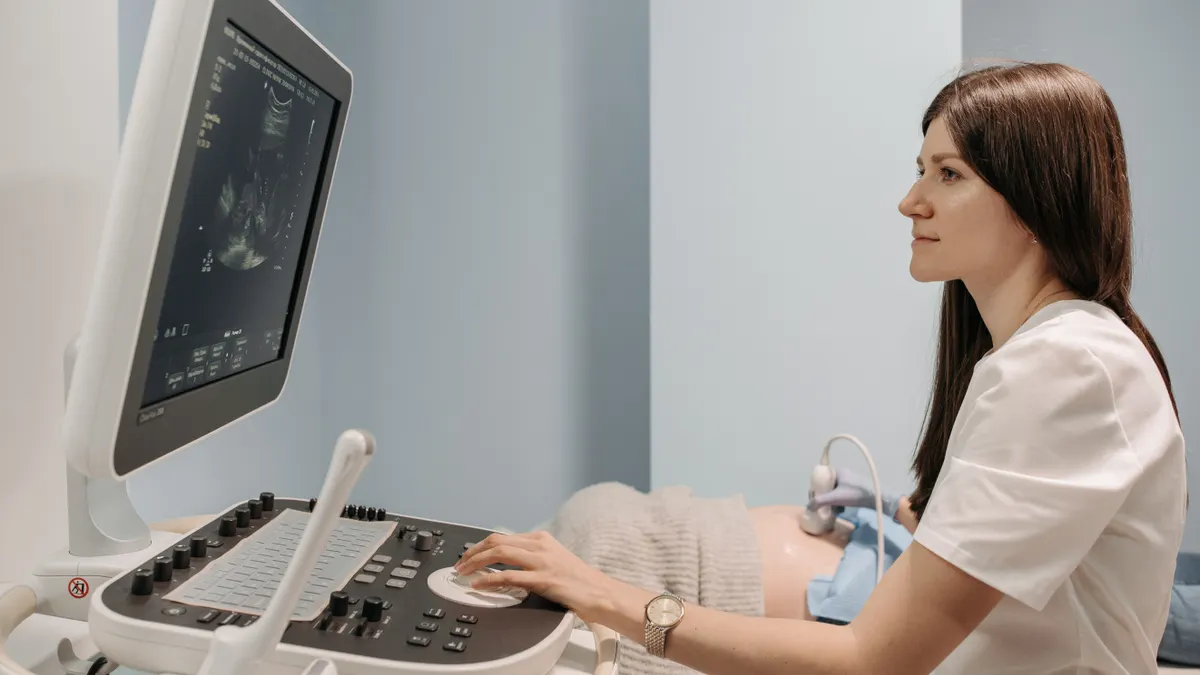
Picture this: you’ve just been told your glucose numbers are not where the care team wants them, and now someone mentions a referral. That usually means your pregnancy needs more support, not panic, and the referral is there so the right clinician handles the part that needs extra attention.
Referrals are commonly made when the usual office follow-up is not enough, or when the pattern of readings suggests the plan needs another layer of review. A specialist may be asked to look at glucose patterns, meal timing, medication discussions, or pregnancy risks that sit outside routine prenatal care. The exact reason varies by clinic, but the referral usually means the team wants a more focused look.
- Persistent raised readings: glucose values stay above the target range over several checks.
- High-risk pregnancy factors: another condition makes the pregnancy more complex.
- Medication questions: diet changes are not enough to keep readings in range.
- Fetal growth concerns: the baby’s size or growth pattern needs closer review.
- Complex nutrition needs: a dietitian or diabetes educator can help fine-tune the plan.
The first thing to understand is that referral does not automatically mean something is wrong with the pregnancy. It often means the care team wants a specialist to help with one part of management so the ob-gyn can keep the overall prenatal plan on track.
Why would I be referred for gestational diabetes?
You’d usually be referred because your numbers, your medical history, or your pregnancy makes the standard office plan less simple. Here’s the catch: the word “specialist” can mean different things. It may point to an endocrinologist for glucose management, a maternal-fetal medicine specialist for pregnancy risk, or a dietitian or diabetes educator for food and monitoring support.
A referral is more likely if readings keep running high after the first round of diet changes, if fasting values are the problem, or if post-meal numbers are not settling into range. It can also happen when the pregnancy already has a higher-risk label, such as twins, prior complications, or another medical issue that needs coordinated care.
According to public record counts for this query, 3,559 PubMed records matched gestational diabetes care terms from 2016–2026, and the sample review used the 100 most relevant records; this kind of literature base helps explain why care often splits across several specialists, not one office alone, as of 2026-11-06. PubMed (NCBI)
- Dietitian: food planning, carb timing, and meal pattern review.
- Diabetes educator: glucose checks, logging, and day-to-day skills.
- Endocrinologist: hormone and glucose management.
- Maternal-fetal medicine specialist: higher-risk pregnancy oversight.
- Ob-gyn: prenatal care and coordination.
A specialist referral is not the same as transfer of care. It usually means an extra layer of expertise is added, while the prenatal team still stays involved.
What usually triggers the referral?

Picture this: you’ve been checking glucose at home for several days, and the log still shows the same pattern. That pattern is often what drives the referral, because one or two numbers matter less than what happens across a week or more.
The most common trigger is persistent raised readings. If fasting or post-meal values stay above the target your team set, the next step is often a specialist review. Another trigger is a pregnancy that needs more than routine follow-up because the baby’s growth, the mother’s blood pressure, or another condition needs a second look.
Timing matters too. Some referrals happen soon after diagnosis; others happen after a short trial of diet changes. If the usual steps are not controlling glucose well enough, waiting longer can delay the next decision. That does not mean an emergency by itself. It does mean the team may want the specialist visit sooner rather than later.
- Repeated abnormal logs over several days or weeks.
- Fast changes in readings after meals or overnight.
- Pregnancy risk factors that make routine follow-up less enough.
- Concern about growth or fluid on ultrasound or exam.
- Need for medication discussion when nutrition changes are not enough.
A referral is often a sign of organized care. It means the team is reacting to the pattern in front of them, not guessing.
When a specialist is more likely to be involved
A specialist is more likely to join when the pregnancy has a layer of risk that makes the standard path too thin. That can mean a maternal-fetal medicine specialist, an endocrinologist, or both, depending on what the obstetric team needs help with.
The exact threshold varies by clinic, but referrals often happen when glucose values stay outside target despite changes in food pattern and activity, or when the pregnancy already has a higher-risk profile. If there is concern about fetal growth, blood pressure, or another medical issue, the ob-gyn may bring in a specialist earlier rather than wait.
Common specialist routes
- Endocrinologist: glucose management when readings stay high.
- Maternal-fetal medicine specialist: pregnancy risk, ultrasound findings, or complex medical history.
- Dietitian: meal plan adjustments and carb distribution.
- Diabetes educator: home checks, log review, and skills coaching.
The truth is, many patients see more than one of these clinicians. That does not mean the case is severe. It means the pregnancy is being handled with the right mix of expertise.
What to expect from the referral itself
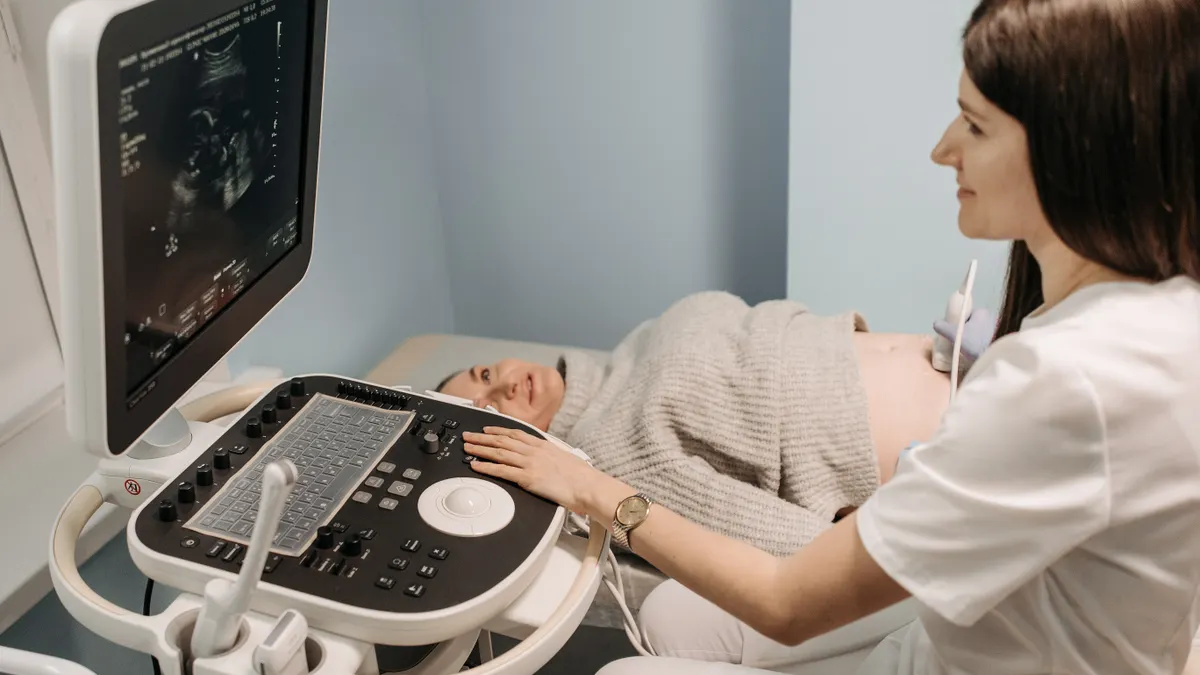
Picture this: the referral is placed, and now you’re waiting to hear who calls first. The referral itself usually means the receiving clinician will review your chart, look at the glucose pattern, and decide what kind of follow-up fits the situation.
This page is not the place for the first post-diagnosis visit details; another article in the care-team set covers that. What matters here is the purpose of the referral. It is usually meant to answer one of three questions: is the glucose pattern mild or persistent, does the pregnancy need closer monitoring, or should another clinician help guide food or medication discussions?
A referral can also change who handles which part of care. The ob-gyn may keep prenatal visits, while the specialist handles the high-risk piece or the glucose plan. Sometimes the dietitian or diabetes educator becomes the most active contact if the main issue is daily glucose management, not a broader medical problem.
- Goal one: tighten glucose management.
- Goal two: lower guesswork about next steps.
- Goal three: match the right clinician to the problem.
- Goal four: keep prenatal care coordinated.
You do not need to guess which specialist is best. The referral should match the issue being managed.
When you should expect a referral sooner
A referral tends to come sooner when the pregnancy is already being watched closely. That is especially true if the care team sees a pattern that could need more than routine prenatal follow-up. The reason may be glucose alone, or glucose plus another issue that complicates the picture.
Here are situations that often push the timing earlier:
- Readings stay high across multiple checks: the pattern suggests diet changes alone may not be enough.
- Another medical condition is present: the pregnancy is no longer a single-issue case.
- Ultrasound or exam raises concern: growth or fluid needs a second look.
- The plan is unclear: the team wants a specialist to help define next steps.
- Symptoms or complications show up: the care team may want faster review.
In those cases, the referral is less about formality and more about speed. The earlier another clinician joins, the less likely the plan is to stall while everyone waits for the same office to decide everything.
When the standard path does not fit
The standard path does not fit when a simple office plan can’t cover the whole problem. In those cases, the question is not whether you “deserve” a referral. It is whether the pregnancy needs a different kind of oversight.
Persistent high glucose readings: this suggests the current plan is not enough — the next step is often specialist review, not repeated waiting.
High-risk pregnancy factors: another condition changes the risk picture — maternal-fetal medicine is often the better fit than routine follow-up alone.
Need for medication discussion: food changes may not be the only answer, so an endocrinologist may be brought in.
Nutrition barriers: the meal plan is hard to follow in real life — a dietitian or diabetes educator can help refine it.
Growth or fluid concerns: the baby may need closer monitoring — the ob-gyn may add a specialist for extra surveillance.
The exact combination depends on the chart, the home glucose log, and how far along the pregnancy is. None of those should be guessed at from a single office note.
Common mistakes people make after the referral
Picture this: you get the referral and assume the specialist is replacing everyone else. That mistake can slow care, because referrals in pregnancy usually add support rather than erase the rest of the team.
A second mistake is waiting for the specialist before acting on basic instructions already given by the ob-gyn. If the care plan includes glucose checks, meal changes, or logkeeping, those pieces still matter while the referral is pending. A third mistake is ignoring a referral because the pregnancy feels fine. Readings can stay abnormal even when you feel normal.
- Treating the referral as bad news: it is often a coordination step, not a crisis.
- Stopping routine prenatal care: the ob-gyn still matters.
- Waiting on the specialist for every decision: basic instructions still apply.
- Using one abnormal reading as the whole story: the pattern matters more.
- Assuming all referrals mean the same thing: endocrinology and maternal-fetal medicine are not interchangeable.
The correct move is simpler: keep the current plan going, keep the log accurate, and make sure the right office has the information it needs.
How does a gestational diabetes specialist referral usually work?
A specialist referral usually starts with a review of the glucose pattern and a handoff of the reason the obstetric team wants help. The exact process varies by clinic, but the goal is the same: get the right clinician involved without losing the thread of prenatal care.
The receiving clinician may be an endocrinologist, a maternal-fetal medicine specialist, a dietitian, or a diabetes educator. Which one is chosen depends on whether the main concern is glucose control, pregnancy risk, meal planning, or daily self-management. In many cases, the ob-gyn stays involved while the specialist focuses on the problem that triggered the referral.
PubMed records show several review and systematic-review articles in this area, which fits the practical reality that referral decisions are often built from a growing evidence base. PubMed (NCBI)
That mix tells you something practical: care is guided by a growing evidence base, but real-world referral decisions still depend on the individual pregnancy. The article at the center of the gestational diabetes care team hub should sit with that idea, not replace it.
FAQ
Why would I be referred for gestational diabetes?
You’d usually be referred because your glucose readings, pregnancy risks, or follow-up needs are more than a routine prenatal visit should handle. The referral may be to an endocrinologist, a maternal-fetal medicine specialist, a dietitian, or a diabetes educator. It often means the team wants extra help with a specific part of care.
Do all gestational diabetes patients see a specialist?
No, not all patients see a specialist. Some are managed well with the ob-gyn, routine prenatal care, home glucose checks, and nutrition support, while others need an added clinician because the readings stay high or the pregnancy is more complex. The decision depends on the pattern, not on the label alone.
When is a specialist needed for gestational diabetes?
A specialist is more likely when glucose numbers stay raised, when another medical issue makes the pregnancy higher risk, or when the care team wants extra help with nutrition or monitoring. The referral can happen early or later, depending on how the readings and pregnancy change over time.
Sources
PubMed (NCBI)
ClinicalTrials.gov
Drafted with AI; not yet reviewed by a person.