Last updated: November 19, 2026
Quick answer: Gestational Diabetes After Diagnosis: What the First Follow-Up Visit Covers is usually a single appointment that reviews your glucose log, sets the first targets, and maps the next steps. Please speak with your ob-gyn or a qualified diabetes team about your own situation.
This guide covers what that visit is for, what gets checked, and what happens next.
Key takeaways
- The first follow-up visit is about planning, not guessing.
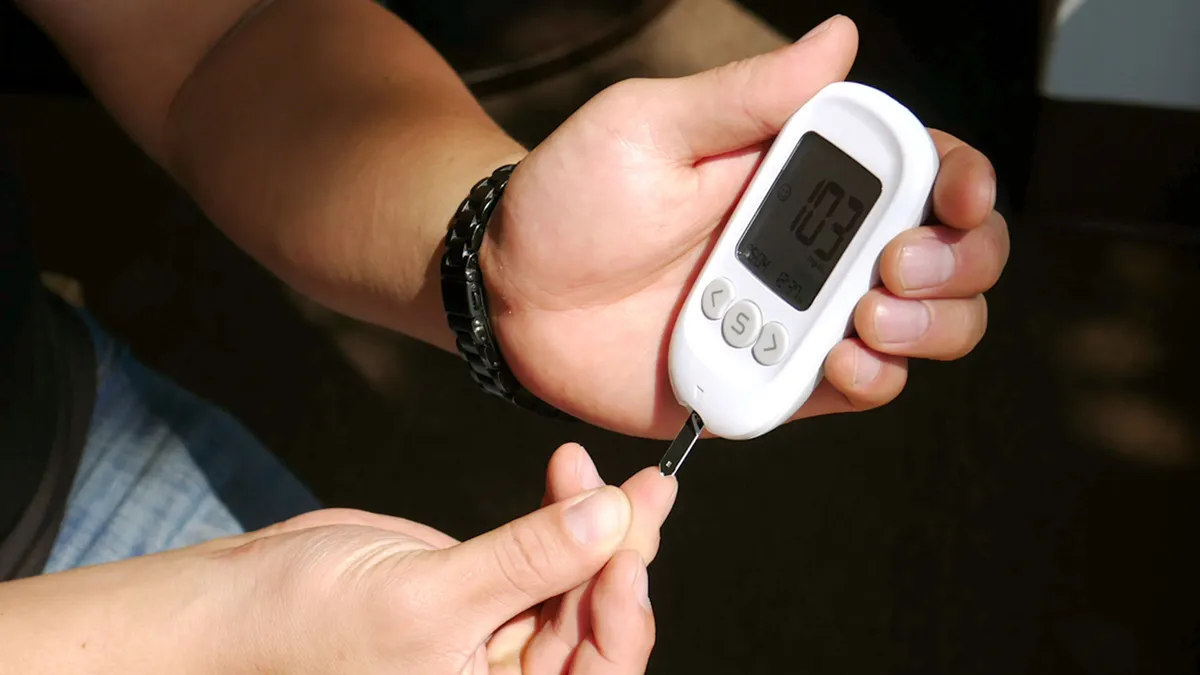
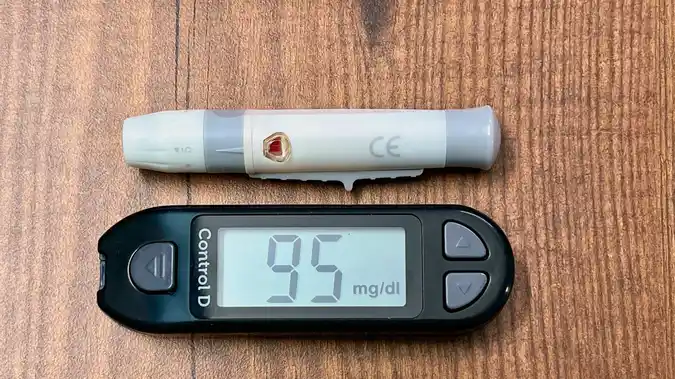
- Your glucose log and finger-stick meter are usually the center of the visit.
- The team may confirm when and how often you should keep checking sugars.
- That visit is also where referrals, timing, and contact rules get set.
- If readings are high, symptoms appear, or you’re unsure what to do, call the care team rather than waiting.
What the first follow-up visit is for
Gestational Diabetes After Diagnosis: What the First Follow-Up Visit Covers is the appointment where your care plan gets turned from a diagnosis into a schedule. It usually focuses on your recent glucose readings, the pattern in those numbers, and what the next few weeks should look like.
Picture this: you’ve just left the diagnosis visit, and now you’re back with a glucose log, a finger-stick meter, and a list of questions. This is the visit where the team decides what needs watching, who should see you next, and how often you should report back. That may sound simple.
A practical way to think about it: the first follow-up is the handoff between diagnosis and management. It often includes an ob-gyn, and sometimes a maternal-fetal medicine specialist or a diabetes educator, depending on how high the numbers are or how complex the pregnancy is. Published literature indexed in PubMed for 2016–2026 shows this topic is studied often: 2,522 PubMed records match the query, and the 100 most relevant were reviewed using the method note below, with every median, range, and share computed from those records on 2026-10-21. ClinicalTrials.gov lists 740 registered trials for the term, and the first 100 were read the same way. For context, the ADA standards for diabetes care are updated annually, and the American College of Obstetricians and Gynecologists also publishes guidance for pregnancy care.
The literature is broad and uneven, so this first visit is best understood as a clinical checkpoint rather than a one-size-fits-all script.
Here’s the catch:
- Your own readings matter more than a generic plan.
- Your pregnancy week, risk factors, and past results change the visit.
- The team is looking for patterns, not one bad day.
What should be reviewed at the first follow-up visit?

The first follow-up visit should review your glucose log, your testing schedule, and the next steps your team wants you to follow. It usually also covers what to do if your numbers drift outside the target range.
Picture this: you bring in a notebook, a phone app, or a printed log with several days of readings. The appointment works best when the team can see timing, fasting values, and any post-meal patterns, not just a few isolated numbers. That’s the whole point of this visit.
A few things are usually on the table:
- Your glucose log. This is the record of your finger-stick readings, usually tied to meals and fasting periods.
- The meter itself. If the numbers look odd, the team may ask how the finger-stick meter is being used and whether the timing is consistent.
- The testing schedule. Some patients are told to check at set times each day; others get a different schedule based on their pattern.
- Initial goals. The first visit often sets the targets the team wants you to work toward, though the exact goals can vary by practice.
- Referrals. A diabetes educator or maternal-fetal medicine specialist may be brought in if the picture is more complicated.
The visit is not just a report-out. It is where the care team decides whether the current plan is enough or whether it needs faster follow-up. The strongest mistake a generic article makes is pretending every diagnosis leads to the same second step.
The truth is:
- A clean log can reduce confusion.
- A messy log can still help if it shows timing and context.
- A missed follow-up can delay the next decision.
How the first follow-up visit usually works
The first follow-up visit usually works as a review, a check-in, and a planning visit in one sitting. It is not a long procedure, but it often has several moving parts that need to be handled in order.
Picture this: you sit down, hand over your readings, and the clinician starts tracing patterns across days rather than reacting to one number. That pattern review is the center of the visit, and it is where the first treatment plan gets shaped. If anything is unclear, ask the clinician to explain it or consult a professional team member before you leave.
-
Bring your glucose log and meter. Show the readings you have already taken, along with the finger-stick meter if the team wants to compare technique or data. Verify that the dates, times, and meal notes match the readings. Problem sign: lots of missing times, swapped entries, or a meter that doesn’t match the written log.
-
Review fasting and post-meal values. The team will usually look for patterns rather than one-off highs. Verify whether the readings cluster around fasting, after breakfast, after lunch, or after dinner. Problem sign: values are only taken at random times, so no pattern can be seen.
-
Confirm the testing schedule. The schedule may stay the same or change based on the pattern. Verify exactly when to check, how many times a day, and whether you should continue that schedule through the next visit. Problem sign: you leave without knowing which times matter.
-
Set the initial goals. The first follow-up visit often clarifies what the team wants to see between now and the next contact. Verify that the goals are written down in plain language. Problem sign: you hear a general warning but no clear target plan.
-
Ask about referrals. If the case needs more support, the team may refer you to a diabetes educator or a maternal-fetal medicine specialist. Verify who is responsible for the next call or appointment. Problem sign: nobody owns the next step.
-
Review warning signs and contact rules. The team should tell you when to call instead of waiting. Verify whether you should call for repeated high readings, a device problem, or symptoms the office wants to know about. Problem sign: you are left guessing what counts as urgent.
-
Plan the next follow-up. The visit should end with a clear next appointment window or a clear call-back plan. Verify the date, the format, and who will contact whom. Problem sign: you walk out with only “we’ll see.”
This stepwise approach keeps the appointment focused on decisions, not noise. It also makes the next visit easier, because the team can compare the same kind of data over time.
What if the readings aren’t lining up?

The first follow-up visit should flag mismatched numbers, because bad timing, missed checks, and meter problems can hide the real pattern. That matters more than most people think.
Picture this: your fasting numbers look fine, but the post-meal checks are all over the place, or the opposite. That mismatch is exactly why a first follow-up exists. It lets the team sort out whether the issue is the schedule, the logging, the meter, or the need for a different plan.
A few common edge cases need closer handling:
- Your log is incomplete. Missing days make the pattern hard to read, so the team may ask for a tighter schedule before changing anything.
- Your meter seems off. If the numbers do not fit the written log or the timing is inconsistent, the team may review technique or ask for a comparison.
- Your schedule changed on your own. That can make the record hard to interpret, especially if you skipped fasting checks or shifted times after meals.
- You have another pregnancy issue. High blood pressure, fetal growth concerns, or other complications can push the visit toward maternal-fetal medicine.
- You have trouble getting in touch. If the office can’t reach you, the plan can stall even when the numbers suggest a faster review is needed.
On the flip side, a small number of strange readings does not automatically mean the whole plan failed. One bad strip, one late meal, or one missed check can distort the picture. The team usually wants to see whether the pattern repeats before making a bigger change.
When should you call the care team sooner?
You should call sooner if the pattern changes, the meter stops making sense, or you are told to report readings that stay outside the expected range. That call can happen before the next scheduled visit.
Picture this: you are waiting for the next appointment, but your numbers are trending higher, you feel unwell, or the log looks different from what the team expected. This is the moment to contact the office rather than trying to “see if it settles.” Waiting can erase the trail the team needs.
Repeated high readings: this may mean the current plan is not keeping up — call the ob-gyn or diabetes team for the next step.
No clear testing schedule: this means the plan was not fully set — call and ask for the written timing.
Meter or strip problems: this can make the log unreliable — call for device guidance before changing the record.
New symptoms or reduced well-being: this may change how quickly you need review — contact the care team the same day.
You were referred but not scheduled: this can delay specialist input — ask who is booking the visit and when.
You cannot keep up with the log: this makes pattern review impossible — ask for a simpler, realistic schedule.
This is not the place to tough it out alone. The first follow-up is the checkpoint that tells the team whether the plan is working or whether the next step needs to happen faster. For diabetes self-management support, the CDC and ADA both emphasize early, clear follow-up.
The mistakes people make before the second visit
The most common mistake is showing up with data that cannot be used. A second mistake is waiting too long to ask for clarification, which can leave the plan vague for days or weeks.
Picture this: you’ve done the hard part of taking readings, but the record still doesn’t help because it’s incomplete, untimed, or not connected to meals. The visit can only work with the information it has.
Common errors and what they cost:
- Skipping fasting checks. This can hide the pattern the team needs to see, and the schedule may need to be repeated.
- Writing numbers down without times. Without the time stamp, a reading loses meaning, especially when the team is looking at meal-related trends.
- Leaving the meter at home. If the office wants to confirm the device or technique, that step gets delayed.
- Assuming no news means no issue. Some practices wait to see the pattern at the visit, so silence does not always mean the plan is settled.
- Not asking who to call. If the plan changes or readings worsen, you need a clear contact path, not a search through the office phone tree.
The correct alternative is boring but effective: keep the log tidy, bring the meter, and leave with the next contact point in writing. That simple habit saves time at the follow-up and keeps the care plan moving.
How long does the first follow-up phase usually last?
The first follow-up phase is usually short, but the timing of the next decision depends on your readings and your pregnancy plan. The visit itself is a single appointment; the follow-up period can stretch over the rest of the pregnancy.
Picture this: one appointment sets the course, then the next several days or weeks show whether the plan fits your numbers. That is why a single visit rarely closes the issue. It opens the next round of monitoring.
A few real-world timing points matter:
- The care team may want regular readings between visits so the pattern is visible.
- A referral to a diabetes educator can happen early if the log needs help or the plan needs clearer structure.
- A maternal-fetal medicine specialist may be added when the pregnancy needs closer surveillance.
- The next appointment is often scheduled before you leave, because the team needs a defined window to reassess the log.
The practical standard is simple: a good result is not “everything is solved in one visit.” A good result is that you leave knowing what to check, when to call, and when the next review will happen. That is enough to keep the next steps from drifting.
For a broader overview of how diagnosis and testing fit together, see the hub on gestational diabetes testing and diagnosis.
What happens after a gestational diabetes diagnosis appointment?
The first follow-up visit usually turns the diagnosis into a concrete plan. You can expect review of your glucose log, a check on how you’re using the finger-stick meter, and a discussion of the next testing schedule. For related guidance, see the hub on gestational diabetes testing and diagnosis and the page on gestational diabetes management.
What should be reviewed at the first follow-up visit?
The first follow-up visit should review your readings, the timing of those readings, and any pattern around fasting or meals. It should also cover who to call, whether a diabetes educator or maternal-fetal medicine specialist is needed, and when the next visit should happen. See also the page on gestational diabetes diet for meal-related questions.
How soon is the next appointment after diagnosis?
The next appointment is often set soon enough to keep the pattern visible, but the exact timing varies by practice and by your readings. Your team should tell you the schedule before you leave, because the point is to reassess the log and adjust the plan if needed.
Drafted with AI; not yet reviewed by a person.