

Last updated: August 09, 2026
Managing gestational diabetes might seem daunting at first, yet meal prepping offers a straightforward way to keep your blood sugar levels in check. This guide presents practical steps for meal preparation, tailored to the requirements of someone with gestational diabetes. Be sure to discuss these ideas with your healthcare provider to ensure they align with your personal health needs.
Quick Answer
The objective of meal prepping for gestational diabetes is to create a balance among carbs, proteins, and fats. Meals should be spaced every 2-3 hours to maintain consistent blood sugar levels.
Key Facts / Key Takeaways
-
Design meals that balance carbohydrates, proteins, and fats.
-
Include three main meals and two to three snacks each day.
-
Practice carbohydrate counting to manage blood sugar.
-
Portion control is essential; aim for proteins about the size of your palm.
-
Work with a dietitian to determine your specific carbohydrate requirements.
Basics of Gestational Diabetes Meal Prep
A balanced diet is crucial for managing gestational diabetes—focusing on carbohydrates, fats, and proteins to maintain stable blood sugar levels. Eating small, balanced meals throughout the day helps prevent spikes. While prepping meals, prioritize whole foods like vegetables, lean proteins, and whole grains. Processed foods loaded with sugar and unhealthy fats should be minimized.
Key Strategies for Effective Meal Prep
-
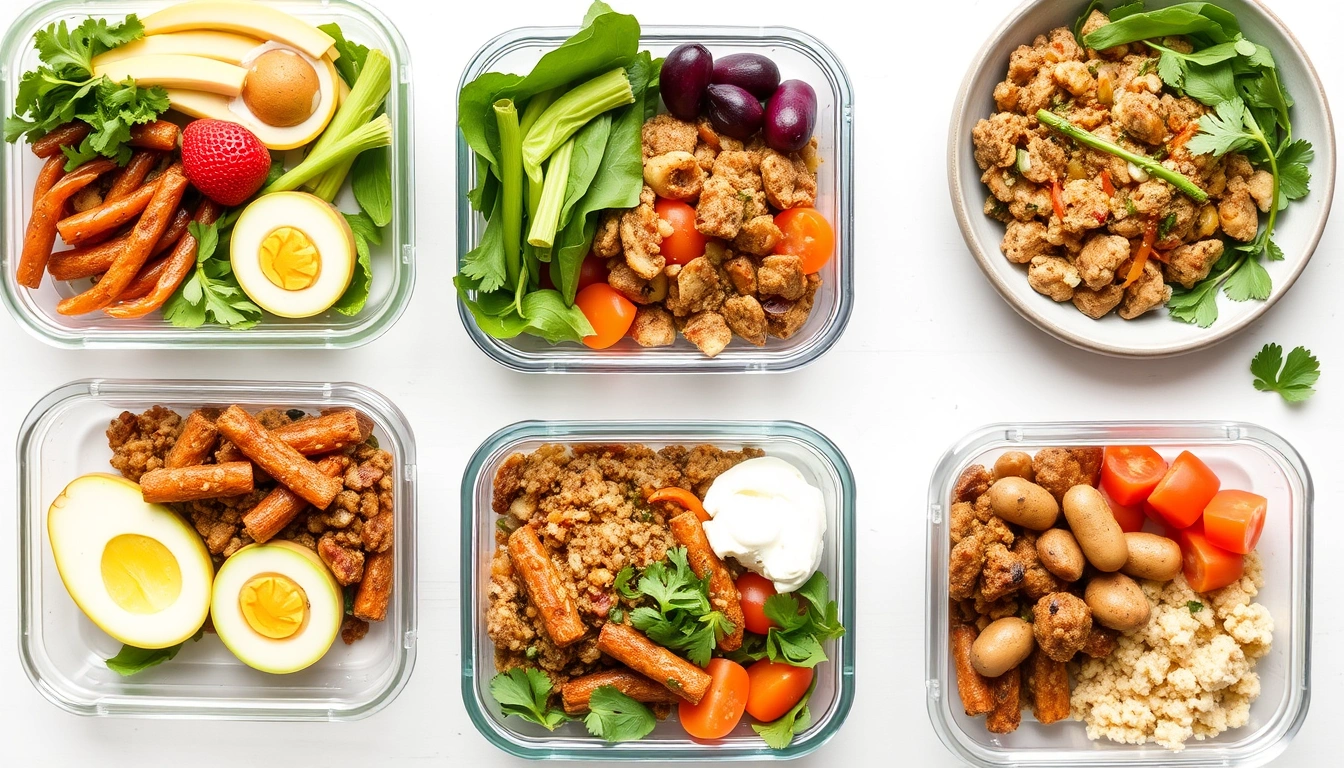
Plan Your Meals: Begin by organizing a week’s worth of meals, including breakfast, lunch, dinner, and snacks. Aim for three main meals and two or three snacks daily, spaced 2-3 hours apart.
-
Portion Control: To maintain balanced eating, apply portion control to avoid overeating. A typical meal might have a palm-sized protein serving, a fist-sized portion of vegetables, and grains that fit into a cupped hand.
-
Carbohydrate Counting: Managing blood sugar levels involves carb counting. Collaborate with a dietitian to identify your daily carbohydrate needs, then distribute them evenly throughout your meals and snacks.
Meal Prep Ideas for Gestational Diabetes
Breakfast Options
-
Overnight Oats: Use unsweetened almond milk and include protein by adding nuts or seeds.
-
Vegetable Omelette: Prepare with eggs, spinach, tomatoes, and mushrooms.
Lunch Ideas
-
Quinoa Salad: Mix quinoa with chickpeas, cucumbers, and bell peppers; dress with olive oil and lemon.
-
Chicken Stir-Fry: Combine lean chicken breast with broccoli and carrots, seasoned with soy sauce.
Dinner Suggestions
-
Baked Salmon: Serve with roasted asparagus and sweet potatoes.
-
Turkey Chili: Prepare using ground turkey, kidney beans, and tomato sauce.
Snack Options
-
Greek Yogurt with Berries: Choose plain yogurt to avoid added sugars.
-
Mixed Nuts: A small handful offers healthy fats and protein.
Common Mistakes and How to Avoid Them
Skipping meals can cause blood sugar spikes, so it’s best to follow your meal schedule closely. Also, many processed foods hide sugars, making label-reading essential. Balancing healthy carbohydrates alongside proteins and fats is necessary to stabilize blood sugar levels.
When to Adjust Meal Prep
Whenever blood sugar levels deviate from the norm, consult your doctor to tweak your meal plan. Have dietary restrictions or a vegetarian lifestyle? Adjust meal choices to suit your needs. If time is tight, consider preparing meals in stages or using a slow cooker for convenience.
Verdict: Tailor Meal Prep to Your Needs
Choose a meal prep strategy that fits your lifestyle. If you’re new


