Last updated: October 30, 2026
Quick answer: Most people prepare for a gestational diabetes glucose test by following the exact fasting window they were given, taking only approved fluids, and bringing the required paperwork. If you already have a lab appointment booked for How to Prepare for a Gestational Diabetes Glucose Test, this guide explains the prep, not the diagnosis.
You should still speak with your prenatal provider or the lab if your instructions differ from standard prep, because pregnancy care plans vary. The safest prep depends on which glucose test you are having, how your clinic schedules it, and whether you take insulin, steroids, or other medicines that can affect blood sugar.
Key takeaways
- The main goal is to arrive with the right fasting period, the right paperwork, and no surprises about medicines or supplements.
- Your prenatal provider’s instructions override generic advice, especially if you have vomiting, morning sickness, or another condition that makes fasting hard.
- Water is often allowed before the test, but the lab may give stricter directions.
- Do not guess about vitamins, antacids, prednisone, or diabetes medicines; ask before the appointment.
- Bring ID, insurance cards, and anything the lab or clinic asked for so the visit does not stall at check-in.
Who this applies to, and what you need first
This applies to pregnant people who have already been told to complete a glucose test and want to prepare correctly for the lab appointment. I assume you already have the test ordered, know the location, and can follow instructions from your prenatal provider or the lab. If you have not been told what type of glucose test you are getting, stop and ask first, because prep can differ between a one-step oral glucose tolerance test and a screening glucose challenge.
The standard workflow for How to Prepare for a Gestational Diabetes Glucose Test usually starts with three things: a fasting period if your clinic requires one, a planned time for the glucose drink, and a list of everything you take by mouth. That list matters more than many people expect. Some medications, herbal products, and even routine prenatal supplements can change how a blood sugar test is interpreted.
This is also the point to mention what not to handle alone. If you have diabetes before pregnancy, have had severe nausea that makes fasting unsafe, take prescribed steroids, or have been told to monitor glucose already, ask for individualized directions. Those situations may need a different plan than the usual 8- to 12-hour fasting window, and a generic checklist can be wrong for you.
A useful way to think about this page is as prep for the appointment, not the test result. It pairs with the broader hub on gestational diabetes diagnosis and testing, but it does not replace instructions from the clinician who ordered your test.
How do I prepare for a gestational diabetes glucose test?
You prepare for a gestational diabetes glucose test by following the fasting period exactly, eating normally the day before unless told otherwise, checking every medication and supplement with the lab or prenatal provider, and bringing the items the appointment requires. A simple prep routine is usually enough.
The steps below fit the usual oral glucose testing setup used in pregnancy, but your clinic may use a slightly different protocol. If you were given written instructions, use those first.
- Confirm which test you are having and what fasting period applies. Ask whether your appointment is a screening glucose challenge or an oral glucose tolerance test, and write down the fasting window in hours. Many clinics use a fasting period of 8 to 12 hours for fasting tests, while non-fasting screening tests may have different instructions. Verify the start time for fasting, not just the appointment time. A problem sign is vague guidance like “fast overnight” without a clock time.
- Eat a normal dinner the night before unless your prenatal provider says otherwise. Choose a meal you usually tolerate, with enough protein and carbohydrates to keep you comfortable through the fasting period. Skip any attempt at a crash diet or “cleanse.” Verify that you can finish dinner without nausea or reflux. A problem sign is a meal so heavy, spicy, or greasy that you wake up vomiting or cannot keep fluids down.
- Stop eating for the exact fasting window you were given. Count the hours backward from the blood draw or lab arrival time, whichever the clinic specifies. No snacks, gum, candy, mints, or flavored drinks during that interval unless the lab approved them. Verify that your fasting start time is clear enough to set an alarm. A problem sign is accidental intake, such as a late-night peppermint or a sip of juice.
- Drink only what your instructions allow, usually water. Plain water is commonly allowed, but some clinics ask for no liquids except small sips, so check the lab rule before the appointment. Verify that your mouth is not dry to the point that you feel unwell. A problem sign is reaching for coffee, tea, milk, sports drinks, or flavored water when they were not permitted.
- Review medications and supplements with the ordering office or lab. Make a list of prescription medicines, over-the-counter products, prenatal vitamins, iron, magnesium, antacids, herbal supplements, and any glucose-related medication. Some clinics want you to keep taking routine medicines; others want specific items held until after the test. Verify the plan for insulin, steroids such as prednisone, and diabetes tablets if they are part of your care. A problem sign is assuming “natural” products do not count.
- Plan the morning so you do not miss the blood draw after the glucose drink. Leave enough time to arrive on schedule and stay for the full testing period, which can be 1, 2, or 3 hours depending on the protocol. Verify childcare, parking, and transportation in advance. A problem sign is booking another appointment right after the lab visit, because the test may run longer than expected.
- Pack what the lab may ask for at check-in. Bring a photo ID, insurance card if applicable, the order or lab requisition if your clinic gave you one, and any paperwork with your fasting instructions. If you use a phone app for reminders, keep the instructions accessible. Verify that the name on the order matches your ID. A problem sign is arriving without the paperwork and needing the clinic to fax or resend it.
- Tell the staff right away if you feel unwell before the test starts. Report vomiting, dizziness, faintness, active illness, or a reaction to fasting. The lab can decide whether to proceed or pause and call the prenatal provider. Verify that someone hears you before the blood draw begins. A problem sign is trying to “push through” when fasting has made you shaky or sick.
Two practical details matter here. First, the glucose drink is usually taken at the lab, not at home, because the timing has to be controlled. Second, do not improvise the drink with juice, soda, or a store-bought “glucose” product unless the lab explicitly gave it to you. The test depends on a standard formula and a standard timeline.
What should I eat and avoid the day before?
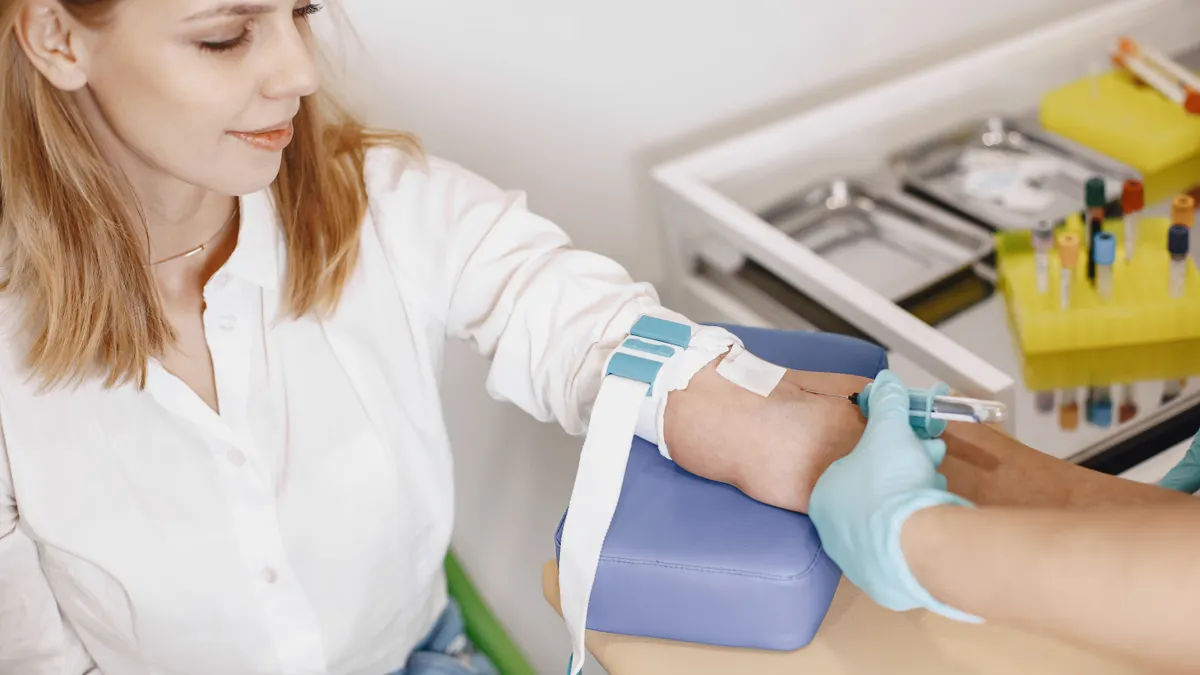
You should eat a normal day of meals, avoid extreme dieting, and avoid anything that makes your stomach unreliable for the fasting period. The day before is not the day to “game” the result.
A generic article often gets this wrong by saying you need a low-sugar dinner. That is not reliable advice. Unless your prenatal provider gave you a specific eating plan, the usual aim is consistency, not restriction. A normal dinner with protein, starch, vegetables, and fluids is generally easier to tolerate than an unusually low-carb meal that leaves you hungry overnight.
What to avoid is the kind of change that creates noise around the test. Large alcohol intake is not relevant to this pregnancy test for most people because it should already be avoided in pregnancy, but any pattern that leaves you dehydrated, nauseated, or sleep-deprived can make the morning worse. So can a very late meal that shortens the fasting period below the lab’s requirement. If your test requires 8 hours fasting and you snack at 2 a.m., the appointment may need to be moved.
A good practical rule is to finish dinner early enough that your fasting window starts cleanly and you can sleep through most of it. If you wake often with nausea, reflux, or heartburn, mention that before test day. Pregnancy symptoms can make a long fast harder than the standard instructions assume.
What about medications and supplements?
You should not assume that a medicine or supplement is irrelevant just because it is common or over the counter. This is one of the biggest places people make avoidable mistakes.
Make a list with the exact names, not just “vitamins” or “stomach pills.” Include prenatal vitamins, iron, folic acid, magnesium, calcium, antacids, reflux medicine, allergy tablets, insulin, oral diabetes medicines, steroids, and herbal products. The reason is simple: some drugs can affect blood glucose, stomach emptying, or whether the lab can trust the result.
A clinician may tell you to keep taking some items and hold others until after the blood draw. Do not change a prescription on your own because the medication may be important for pregnancy or for another condition. If you are on prescribed steroids such as prednisone, or if you already use insulin or a glucose meter, ask for the exact plan before the appointment. That conversation can change the timing of the test or what the team wants to monitor.
This is also where a lot of “just in case” supplements cause trouble. If a product is marketed as natural, that does not make it invisible to testing. Bring the bottle names or a photo of the labels if you are unsure. The lab staff may not decide for you, but they can route the question to the prenatal provider quickly.
What should I bring to the appointment?
You should bring identification, the test order or appointment information, and anything the lab asked you to bring in writing. A 30-minute lab visit can become a 90-minute visit if check-in is delayed, so it pays to be organized.
At minimum, bring:
- a photo ID
- insurance card if your clinic uses one
- the lab requisition or order, if provided
- your written fasting instructions
- a water bottle if your lab allows plain water
- a phone charger or book, because the waiting period after the glucose drink can be dull
- a small snack for after the test, if your clinic says you may eat right away
The one thing to verify before you leave home is whether you are supposed to arrive fasting but not to eat until after the last blood sample. That distinction matters because some people assume they can grab breakfast after the first blood draw. For a multi-hour oral glucose tolerance test, that can ruin the schedule.
If you are bringing children, arrange backup care if possible. Lab chairs are not built for a restless 2-year-old, and the test usually works better if you can sit still for the full window. If you rely on a ride-share or public transit, build in extra time; a late arrival can push the whole appointment into the wrong part of the morning.
When should I stop and call the prenatal provider?
You should stop the routine prep and call the prenatal provider or lab if fasting, vomiting, medication use, or another medical issue makes the standard instructions unsafe or unclear. A gestational diabetes glucose test is common, but “common” is not the same as “one size fits all.”
You have diabetes before pregnancy: This changes how glucose testing is planned and interpreted — contact the prenatal provider for the exact instructions rather than following generic fasting advice.
You cannot keep food or fluids down: Ongoing vomiting can make fasting unsafe and may leave you dehydrated — call before the appointment, because the test may need to be rescheduled or adjusted.
You were told to take steroids or start a new medicine close to the test: Some medicines can affect blood sugar or the test plan — verify whether the appointment should move or whether the lab needs the medication listed.
Your clinic told you a different fasting window than the lab instructions: Conflicting directions can lead to an invalid test — use the ordering clinician’s guidance and ask the lab to confirm it in writing.
You accidentally ate or drank something during the fasting period: The result may no longer reflect the intended protocol — tell the staff before the blood draw so they can decide whether to proceed or reschedule.
You feel shaky, faint, or unwell while fasting: This may mean fasting is not tolerable for you that day — stop and call the office, because safety comes before keeping the slot.
Those are not dramatic edge cases; they are the situations where a generic prep checklist stops being enough.
Common mistakes that make the test harder than it needs to be
The most common mistakes are small, but they can create a failed appointment or a misleading result.
-
Eating or drinking too close to the test. Even a small snack can violate the fasting period and force a repeat test. The fix is to set a clock-based cutoff the night before and stick to it.
-
Assuming water is never allowed. Some labs allow plain water and some do not want extra fluids before certain steps. The fix is to follow the lab’s written rule, not advice from a friend.
-
Forgetting to mention medicines and supplements. This can matter for insulin, steroids, antacids, and herbal products. The fix is to bring a complete list, with labels if needed.
-
Arriving without paperwork. A missing order or mismatched name can delay check-in. The fix is to gather documents the night before and compare names and dates.
-
Trying to “prepare” with a special diet. Extreme restriction the day before can make you miserable and does not improve prep. The fix is to eat normally unless your prenatal provider says otherwise.
-
Scheduling something right after the appointment. Multi-hour tests can take longer than expected, and the blood draws have to happen on time. The fix is to leave a wide buffer, especially for 1-hour, 2-hour, and 3-hour testing protocols.
What the appointment costs, and what changes the price
The cost of How to Prepare for a Gestational Diabetes Glucose Test varies by clinic, insurance, and whether the test is billed as a screening or diagnostic visit. Because labs and health plans price these services differently, the exact amount is usually set by the place doing the test, not by the preparation steps themselves.
What changes the price most is whether the glucose test is done as a single screening visit or as a longer oral glucose tolerance test with multiple blood draws. Insurance coverage, network status, and whether the lab visit is tied to another prenatal appointment can also change the bill. If your clinic gave you a billing code or estimate, keep it with your instructions so you can compare it with your explanation of benefits later.
For some people, the bigger cost is not the lab charge but the time burden: a 1-hour screening is easier to fit into the day than a 2-hour or 3-hour test. That is one reason it helps to know the exact protocol before the appointment.
Other testing paths and how they compare
Different glucose tests need different prep, so it helps to know which one you were given. A screening glucose challenge is usually shorter and may not require fasting, while a fasting oral glucose tolerance test is longer and more exact about timing. The lab’s instructions, not guesswork, should decide which prep you follow.
| Test type | Typical prep | Time at lab | What to expect |
|---|---|---|---|
| Glucose challenge screening | Often no fasting, but follow your clinic’s rule | About 1 hour | One blood draw after the glucose drink |
| Oral glucose tolerance test | Usually fasting for 8 to 12 hours | 1, 2, or 3 hours | Multiple blood draws after the drink |
| Repeat test after an abnormal screen | Usually fasting if the clinic says so | 2 or 3 hours | More detailed follow-up testing |
This is why “one size fits all” advice can be misleading. A person doing a non-fasting screen does not need the same prep as someone scheduled for a fasting diagnostic test. If your clinic gave you a fasting order, follow that order rather than a general pregnancy article.
Why doing the prep well is worth it
Doing the prep well is worth it because the test is only useful if the result reflects the intended protocol. If you fast for the wrong number of hours, eat too close to the appointment, or miss an instruction about medicine, the lab may need to repeat the test. That means more time, more stress, and another round of scheduling.
Good prep also reduces the chance of a rough appointment. If you have pregnancy nausea, heartburn, or blood sugar concerns already, the fewer surprises you have on test day, the easier the visit tends to be. In that sense, the prep is not about being perfect; it is about making the lab result trustworthy and the appointment manageable.
FAQ
Do I need to fast before a gestational diabetes glucose test?
Often yes for an oral glucose tolerance test, but not always for the screening glucose challenge. The clinic’s written instructions should tell you whether your How to Prepare for a Gestational Diabetes Glucose Test appointment needs fasting and for how many hours.
Can I drink water before the test?
Often yes, but only if your lab allows it. Some clinics permit plain water and others want stricter limits, so follow the specific instruction sheet you were given.
What if I accidentally ate something?
Tell the lab before the blood draw. The staff can decide whether the test can still be done or whether it needs to be rescheduled.
Can I take my prenatal vitamin that morning?
Maybe, but do not assume. Some clinics allow routine medicines and supplements, while others want you to hold certain items until after the test. Ask the ordering office if the instructions are not clear.
How long does the appointment usually take?
It depends on the protocol. A screening test is often about 1 hour, while a diagnostic oral glucose tolerance test can take 1, 2, or 3 hours.
Drafted with AI; not yet reviewed by a person.