Last updated: October 11, 2026
Key Takeaways
- Meal-pattern changes and post-meal walks are the most practical first supports for many people.
- Low-intensity aerobic movement after meals is usually the easiest form to fit in.
- Herbal products are not a safe default in pregnancy; ask a clinician first.
- Acupuncture, yoga, mindfulness, and breathing work are best used as support, not as stand-alone glucose treatment.
Gestational diabetes usually does not have a safe “natural fix,” so the most useful question is not “what alternative therapy cures it?” but “which non-drug options can help lower glucose without replacing medical care?” In Alternative Therapies for Managing Gestational Diabetes, the answer is simple: the most useful options are the ones that can sit alongside standard prenatal management, and you should speak with a qualified clinician before changing anything in pregnancy.
I write about pregnancy health with a bias toward what is practical, not trendy. For Alternative Therapies for Managing Gestational Diabetes, that means separating supportive habits from anything that sounds gentle but has thin evidence or real risk.
What counts as an “alternative therapy” here?
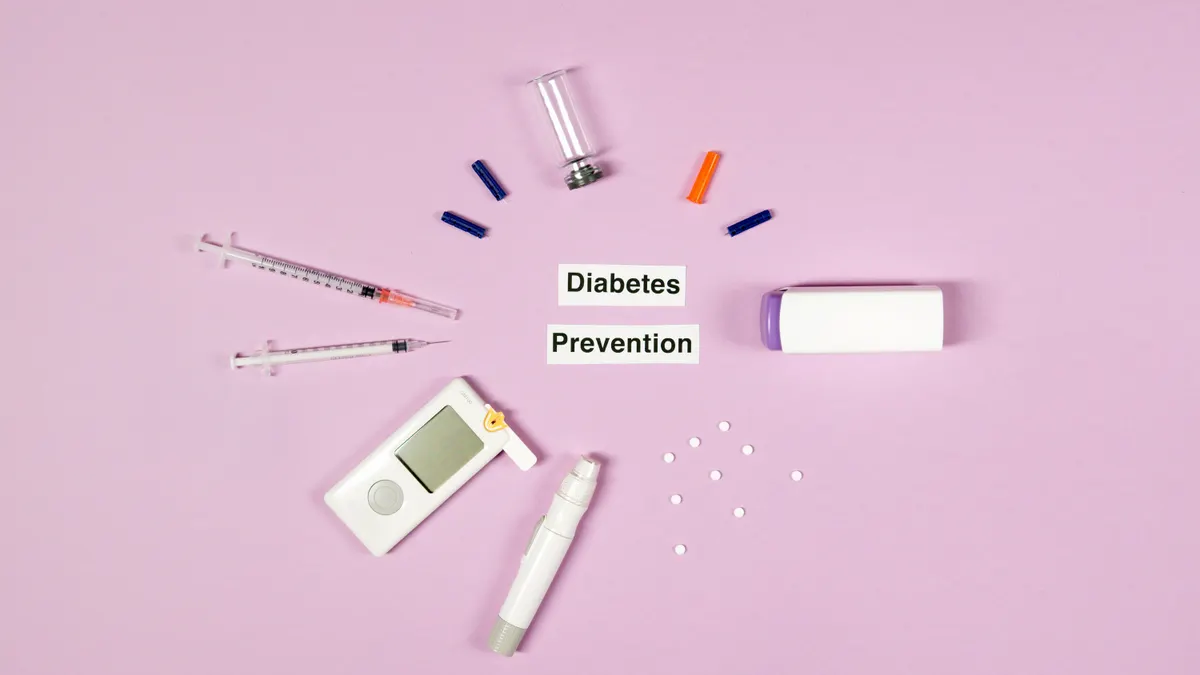
The answer is: only a narrow set of low-risk, non-drug supports deserve the label when gestational diabetes is on the table. That usually means nutrition pattern changes, planned movement, sleep and stress work, and a few supplement discussions that belong under clinician supervision rather than self-experiment. The American College of Obstetricians and Gynecologists notes that medical nutrition therapy and exercise are core parts of care. See also the CDC on gestational diabetes and the NIDDK on treatment basics.
ClinicalTrials.gov lists 736 registered trials matching the term, and the first 100 were read and every share, median and range below is computed across them using query.term=”Gestational Diabetes Treatments” on the ClinicalTrials.gov API v2 with no status filter and page size 100; the figures were computed on 2026-10-11. Of those first 100, 42 (42%) are completed, 14 (14%) are recruiting, 12 (12%) are unknown, and 11 (11%) are terminated, all from ClinicalTrials.gov. The median planned enrolment is 152 participants across 98 trials, with a range of 2–50,075.
That trial mix tells me something useful: this space is active, but it is still fragmented. There is no single alternative therapy with a clean, settled answer. If you want the shortest honest recommendation, I would put my confidence first in diet pattern changes and regular movement, second in sleep and stress management as support tools, and last in supplements, herbal products, or “detox” approaches, which have more uncertainty and more chance of doing nothing—or the wrong thing.
The strongest line to keep in mind is this: alternative care should help you follow a glucose plan more reliably, not replace glucose monitoring or prenatal follow-up. The NIDDK and ACOG both stress that monitoring and prenatal care still matter.
Which alternatives actually make sense first?
Diet pattern changes and walking after meals make the most sense first because they are the best studied, the most controllable, and the easiest to integrate with blood sugar checks. That is the lane I would choose before any supplement bottle, tea, or special device.
The reason is not romance; it is fit. Gestational diabetes is managed around how your body handles carbohydrate across the day, so a pattern that spreads intake, reduces large glucose spikes, and supports routine activity has a clear mechanism. The evidence base is also broader here than for most other complementary approaches, even if the details vary by individual and by clinic.
A common mistake is to treat “alternative” as if it means “instead of medical care.” For gestational diabetes, that is the wrong frame. If a person is already being asked to monitor glucose, nutrition therapy and movement are not fringe ideas; they are core supports. They are also more likely to be useful than internet-famous remedies that do not change post-meal glucose in a dependable way. ACOG and the CDC both frame lifestyle care as standard management.
What this option is good for:
- people who can change meal timing and carb distribution
- people who can fit in a short walk after eating
- people who want a low-cost approach with minimal downside
What it is not good for:
- anyone hoping to skip monitoring
- anyone with nausea, mobility limits, or a complicated pregnancy without clinician input
- anyone expecting fast results from a single “superfood”
The trade-off is obvious: these changes require consistency. A 10- to 20-minute walk after meals or a more structured plate pattern only matters if it becomes ordinary, not occasional. That is why this is the best first choice and also the most boring one.
Can exercise help with gestational diabetes?
Yes—gentle, regular movement can help, but it is a support strategy, not a cure, and it should be cleared with the pregnancy care team if there are any complications or activity restrictions. The most practical form is usually low-intensity aerobic movement, especially after meals.
I would rank movement as the best “alternative” for many people because it is simple and immediate. A short post-meal walk has a plausible effect on glucose handling, and unlike many wellness trends, it does not depend on a fancy brand name, a 30-day cleanse, or a costly device. It also does not require a perfect week. A few short sessions can still be more realistic than one heroic workout plan that collapses by Thursday. The CDC recommends regular physical activity in pregnancy when it is safe to do so.
The honest weakness is that exercise is not equally available to everyone. Pelvic pain, fatigue, work schedules, weather, bed rest recommendations, and twin pregnancies can all change what is sensible. In those situations, the right answer may be “less movement, but safer movement,” not “push through.”
This option is best for:
- people who already walk comfortably
- people whose blood sugar rises most after meals
- people who need a non-drug tool that can be repeated daily
This option is wrong for:
- anyone told to limit activity
- anyone with symptoms that need urgent medical review
- anyone using movement as a reason to ignore elevated readings
A 15-minute walk is not magic, but a repeatable 15-minute walk can be more useful than a supplement with no clear pregnancy data.
Are supplements or herbs worth trying?
Usually no, and if they are discussed at all, they should be discussed with a clinician first because pregnancy changes the risk profile. My position is blunt: supplements and herbs are the least dependable part of this category, and they are the easiest place to spend money on uncertainty.
The problem is not just that evidence is mixed. It is that product quality, ingredient concentration, and interaction risk vary, and pregnancy leaves less room for improvisation. A capsule marketed for “blood sugar support” may contain multiple ingredients with unclear amounts, and the listing often tells you more about marketing than about safety. NCCIH cautions that “natural” products can still have side effects and interactions.
That does not mean every supplement is useless. It means the burden of proof is high and the margin for error is small. If a clinician is considering a specific supplement because of a documented deficiency or a very specific need, that is one conversation. Self-starting a herb because a forum said it “balances insulin” is another, and I would not treat those as equivalent.
Who should skip this route:
- anyone who wants a quick fix
- anyone already managing nausea, reflux, or medication side effects
- anyone tempted to stack several products at once
The main drawback is plain: you can get a false sense of progress while glucose remains unchanged. That delay can matter in pregnancy, where follow-up timing matters more than wishful thinking.
What should I think about acupuncture, yoga, and stress work?
I would treat acupuncture, yoga, mindfulness, and breathing work as supportive tools, not glucose-lowering strategies on their own. Their strongest value is often indirect: better sleep, lower tension, and a routine that makes other healthy behaviors easier to keep. If you want to try them, discuss them with a clinician first and use them only as an add-on. NCCIH has patient guidance on yoga, acupuncture, and meditation-style approaches.
Yoga and breathing work are appealing because they feel manageable when pregnancy makes everything feel heavy. That is a real advantage. A person who is sleeping poorly or feeling anxious may find these tools easier to stick with than a rigid exercise prescription. That said, the glucose effect is less certain than the effect of food pattern changes or post-meal walking.
Acupuncture belongs in an even more cautious bucket. Some people like it for symptom relief or relaxation, but for gestational diabetes itself, I would not treat it as a primary plan. It also requires time, money, and access, and none of those guarantees improved glucose numbers.
A useful rule:
- if the practice helps you eat more regularly, move more often, or sleep better, it may be worth keeping
- if the practice replaces monitoring or medical follow-up, it has crossed the line
This is where people often overread “alternative.” A breathing app that reduces stress before meals is not the same thing as a treatment for gestational diabetes. It may still earn a place in your day. It just should not be promoted beyond its actual role.
The honest side-by-side
Diet pattern changes and planned movement win over herbs, acupuncture, and trendy supplements because they are more actionable, lower risk, and easier to tie to glucose readings. The table below is the cleanest way I know to compare them without pretending they do the same job.
| Criteria | Diet pattern changes + movement | Supplements, herbs, acupuncture, yoga | Winner for this condition |
|---|---|---|---|
| Evidence for glucose support | Broader and more direct, though still varies by person | More mixed and often indirect | Diet + movement |
| Safety in pregnancy | Generally lower-risk when clinician-guided | More uncertainty, especially with supplements | Diet + movement |
| Cost | Often low or free | Can range from low to high, especially acupuncture | Diet + movement |
| Ease of matching to glucose logs | Easy to connect meals or walks to readings | Harder to know what changed glucose | Diet + movement |
| Speed of feedback | Can be seen within days in some cases | Often slower or unclear | Diet + movement |
| Risk of false reassurance | Lower if readings are tracked | Higher, especially with “blood sugar” products | Diet + movement |
| Dependence on product quality | Low | High for supplements | Diet + movement |
| Emotional relief | Moderate | Sometimes higher for stress-relief practices | Depends on the goal |
| Best use case | First-line supportive strategy | Adjunct only | Diet + movement |
The one category where the second group can win is comfort. If stress is the barrier, breathing work or prenatal yoga may help someone stay engaged with the harder parts of management. But if the goal is to improve glucose behavior, the first group is the stronger choice. ACOG and the CDC both keep lifestyle measures at the center of care.
What are the exception scenarios?
The verdict flips in a few specific situations, and those matter.
First, if a person has a history of disordered eating or severe food anxiety, aggressive diet rules can backfire. In that case, a gentler, clinician-guided eating plan may be better than a strict “alternative” framework that turns every meal into a test.
Second, if exercise is restricted because of obstetric complications, then movement is no longer the default answer. A clinician may advise a different plan, and that changes the balance completely.
Third, if a person’s main problem is stress, insomnia, or panic around glucose checks, a relaxation practice can become the most useful starting point because it makes the rest of care possible. That is still support, not treatment, but it may be the first domino.
Fourth, if a supplement is being considered for a documented nutritional issue, the conversation shifts from “alternative therapy” to “targeted correction.” That is a different question and should be handled differently.
These exceptions do not rescue the weak options; they just show that one-size-fits-all advice is sloppy in pregnancy. The safest plan is the one matched to the actual problem, not the trend of the week.
The verdict: which one should you choose?
Choose diet pattern changes plus regular, clinician-cleared movement if you want the most sensible non-drug support for gestational diabetes and you can track glucose alongside it. Choose stress-reduction practices such as breathing work or prenatal yoga if anxiety, sleep, or routine breakdown is the main barrier and you need something that helps you stick with the plan. Neither if you are looking for a herb, cleanse, or supplement to replace monitoring or prenatal care.
That is the call I would make. The most useful “alternative therapy” for gestational diabetes is usually not a single therapy at all; it is the combination of meal structure, movement, and practical support that makes standard care easier to follow. For more on the basics, see the CDC, ACOG, and NIDDK pages on gestational diabetes.
FAQ
Can alternative therapies replace insulin or other medical care?
No. If glucose targets are not met with lifestyle support, medical treatment may still be needed, and that decision belongs with the pregnancy care team.
Are herbal teas safe in gestational diabetes?
Not automatically. “Natural” does not mean pregnancy-safe, and some herbs can interact with other conditions or products.
Is walking after meals really that useful?
It can be, because post-meal movement is one of the simplest ways to reduce glucose spikes, though the effect varies by person.
Should I try acupuncture for gestational diabetes?
I would not make it a primary plan. If you like it for relaxation, discuss it with your clinician, but do not count on it to manage glucose.
What is the first thing to discuss with a clinician?
Ask which diet changes, activity limits, and monitoring schedule fit your pregnancy, because those details change what is safe and useful.
Drafted with AI; not yet reviewed by a person.