Last updated: November 05, 2026
Key Takeaways
- Balanced midday meals can steady blood sugar and still keep you satisfied until the next meal.
- Structure helps many people with gestational diabetes more than trying to “eat low carb” without a plan.
- Food safety matters in pregnancy, so cold foods should stay cold and hot foods should be handled safely.
- Mix-and-match lunches save time by reusing the same four food groups in different combinations.
Gestational diabetes lunch ideas that fit a midday meal pattern work best when the meal has a clear pattern: 1 portion of lean protein, 1 portion of nonstarchy vegetables, and a measured serving of whole grains or beans. Gestational Diabetes Lunch Ideas That Fit a Midday Meal Pattern should be practical, repeatable, and easy to pack. If pregnancy glucose numbers are not yet being tracked with a clinician’s plan, speak with a qualified professional about your own situation before changing meals.
What a good gestational diabetes lunch needs
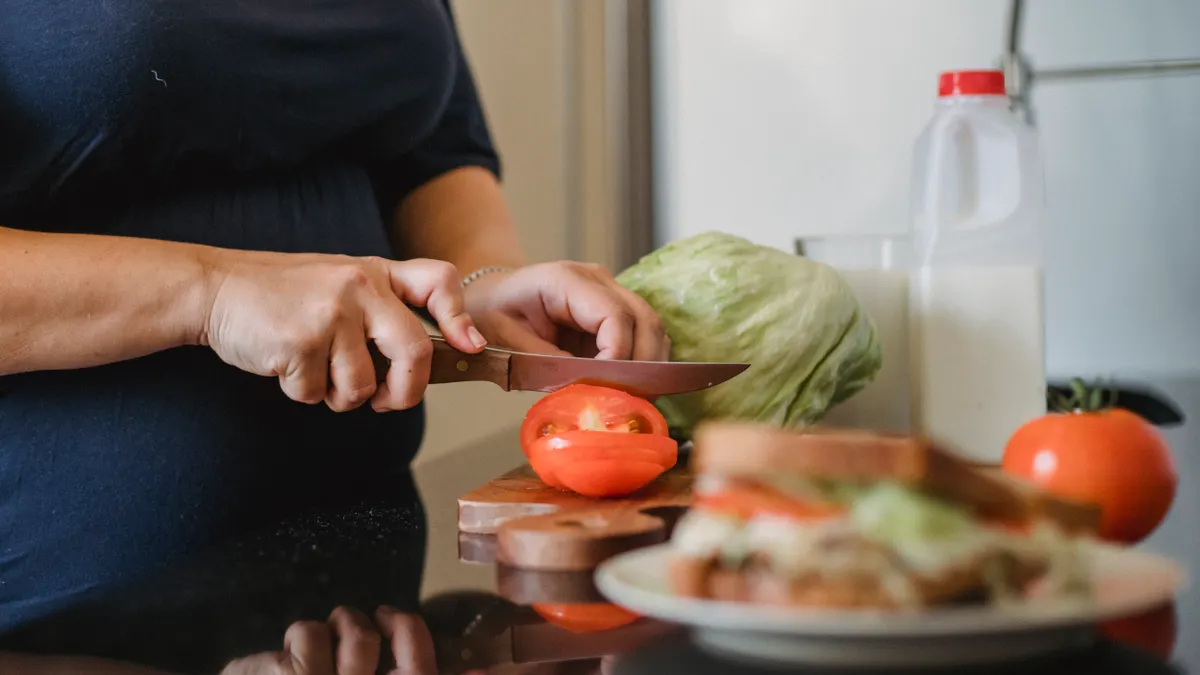
A good gestational diabetes lunch is a midday meal that slows the rise in blood sugar without leaving you hungry an hour later. For many people, that means a plate built around protein, fiber, and a controlled amount of carbohydrate, rather than a “light” lunch that is really just fruit, crackers, or a salad with no staying power.
This article is for someone who wants lunch-specific ideas, not breakfast or snack lists, and who already knows the basics of food labels or portion sizes well enough to assemble a plate. It assumes you are looking for practical lunch options you can pack, order, or build at home. It is not a substitute for a pregnancy nutrition plan from a registered dietitian, certified diabetes care and education specialist, obstetric clinician, or other qualified professional.
A quick evidence note: 90 PubMed records match this query for 2016–2026; the 90 most relevant were read and every median, range, and share below is computed across those records, using the selection rule gestational[Title/Abstract] AND diabetes[Title/Abstract] AND meal[Title/Abstract] AND humans[MeSH Terms], filtered to PubMed, publication date, 2016–2026, sorted by relevance, sample read 90; computed on 2026-10-21. The median publication year was 2021. PubMed (NCBI) is the source for that search, and the date range gives the snapshot readers need.
The practical takeaway is simple: lunch should look like a meal, not a rescue snack. A sandwich can fit. A grain bowl can fit. A soup-and-side plate can fit. A plain wrap with no protein usually does not.
How do I build a balanced lunch for pregnancy?
You build a balanced lunch by anchoring it with 1 protein, 1 fiber-rich carbohydrate, and 1 to 2 cups of nonstarchy vegetables, then checking that the meal looks moderate rather than oversized. For many people with gestational diabetes, that balance is easier to manage than trying to “eat low carb” with no structure at all.
Use this as a repeatable method, not a rigid prescription:
- Start with a protein base: choose 2 to 4 ounces of chicken, turkey, tuna, eggs, tofu, Greek yogurt, cottage cheese, beans, or lentils. Verify that the protein is actually present in the lunch, not just implied by a name like “salad.” If the meal is mostly bread, rice, or pasta, the balance is off.
- Add a measured carbohydrate: include 1 slice of whole-grain bread, 1 small whole-wheat tortilla, about 1/2 cup cooked brown rice or quinoa, or a bean portion that fits your plan. Verify the serving is measured, not estimated. If the carb portion has grown to fill half the plate, the meal may be too carb-heavy for your pattern.
- Load the plate with nonstarchy vegetables: add at least 1 to 2 cups of vegetables such as leafy greens, cucumbers, tomatoes, peppers, broccoli, zucchini, or cauliflower. Verify that these are not drowned in sweet dressing or a heavy breading. If vegetables are missing, fiber is probably missing too.
- Include a fat that helps satisfaction: use a small amount of avocado, nuts, seeds, olive oil, or cheese. Keep the portion modest, because fat can make the meal easy to overbuild. If the lunch becomes a high-fat pile with little protein or produce, it is harder to judge how it will sit.
- Check the total structure before eating: look at the plate or container and ask whether it is 1/2 vegetables, 1/4 protein, and 1/4 carbohydrate, or a close variation. That pattern is a common starting point, though individual plans vary. If the plate is all one color or all one texture, it usually needs adjustment.
- Keep the added sugar low: choose unsweetened drinks and skip sugary sauces, candied nuts, sweetened yogurt dressings, and dessert-sized add-ons. Verify the label or the menu description. If the lunch includes a sweet drink, the meal can stop looking balanced fast.
- Plan the eating order: many people do better when they eat vegetables and protein before the starch, then finish with the carbohydrate portion. Verify whether that sequence feels steady for you. If you feel shaky, overly full, or unusually hungry afterward, the portion balance or timing may need review with a clinician.
- Leave room for your own glucose plan: if your care team has given you a target carb pattern or meal schedule, use that plan first. Verify that lunch fits the pattern you were given, not an internet template. If the meal plan and the plate method conflict, the personalized plan wins.
The useful part of this method is that it turns lunch into a repeatable pattern. The downside is that it asks you to measure, at least at first. A hand-wavy lunch is where many people lose control of portions without realizing it.
8 lunch ideas that fit a midday meal pattern
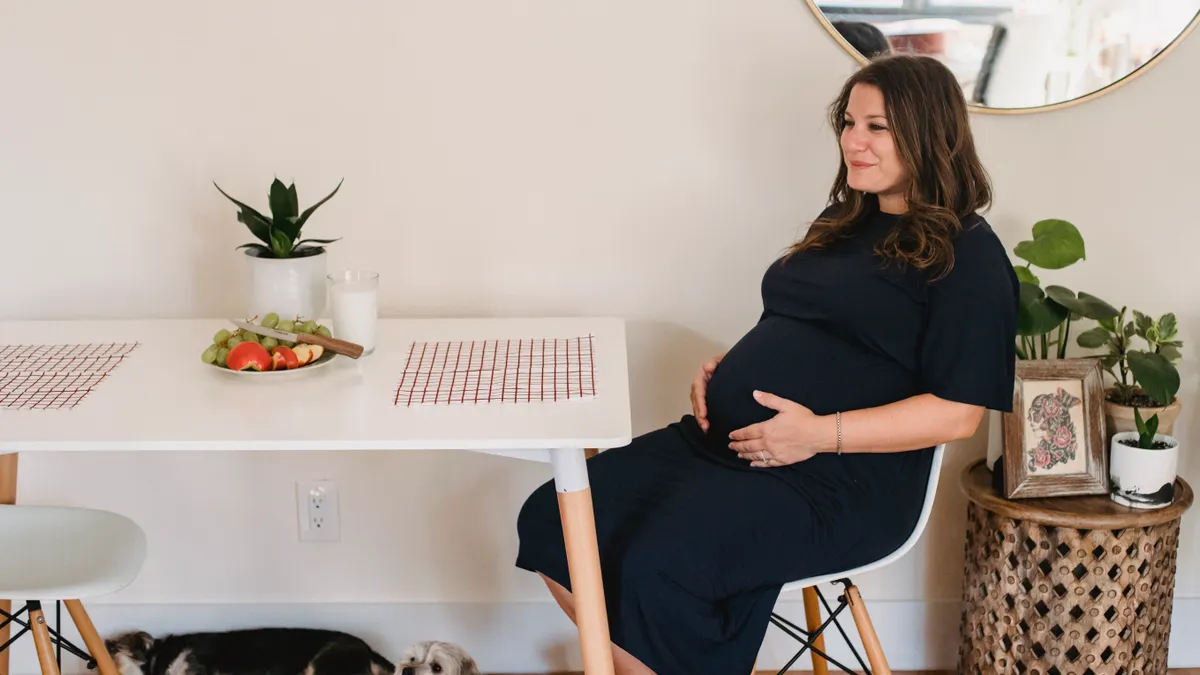
These lunch ideas work because each one can be built with a clear carb source, a protein source, and produce. They are not magic foods, and none of them is automatically “safe” in any size. The value is in the structure, which is what makes them lunch ideas rather than random food combinations.
-
Turkey and avocado whole-grain sandwich with side vegetables
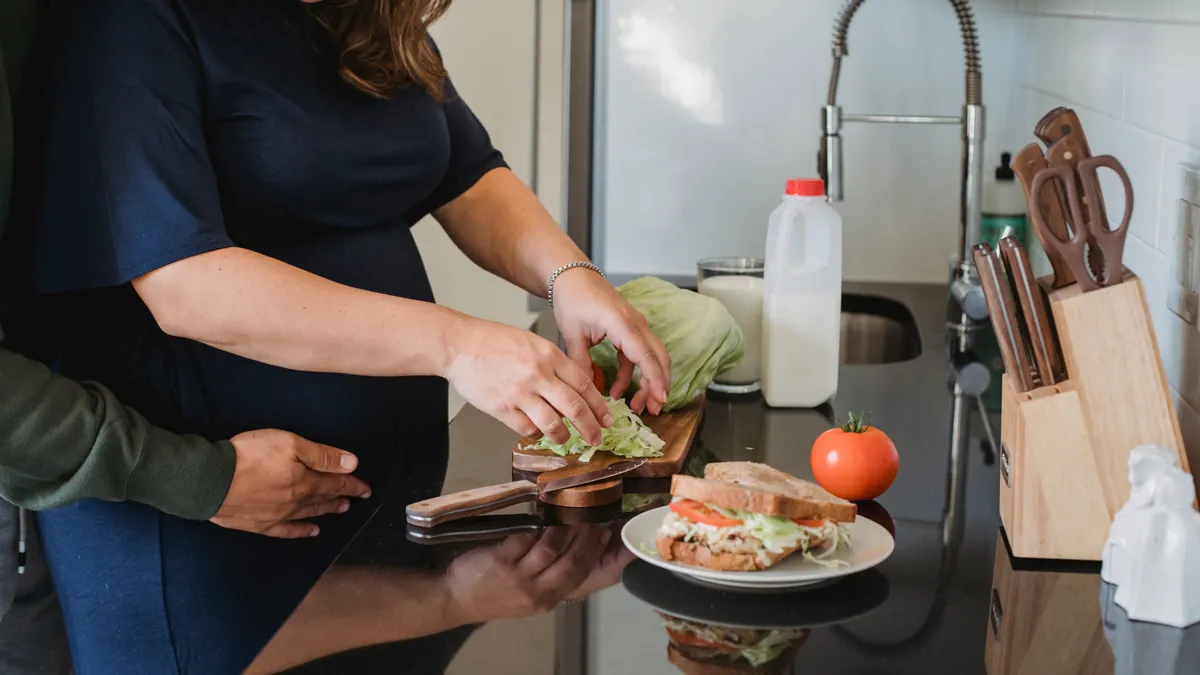
Use 2 slices of whole-grain bread, 2 to 3 ounces of turkey, lettuce, tomato, cucumber, and a thin layer of avocado or mustard. Pair it with raw carrots or bell peppers. The sandwich is the main lunch, not the side vegetables. If the bread is oversized or the filling is mostly cheese and sauce, the balance slips. -
Chicken salad bowl with quinoa
Build a bowl with chopped chicken, leafy greens, cucumber, tomato, shredded cabbage, and about 1/2 cup cooked quinoa. Add a vinaigrette rather than a sweet dressing. This is useful when you want a cold lunch that can be packed in a single container. If the quinoa portion doubles and the greens disappear, the bowl becomes more carb-heavy than intended. -
Lentil soup with a crisp side salad
Lentils count as both protein and carbohydrate, which makes them efficient but easy to overserve. Pair a moderate bowl of lentil soup with a salad of nonstarchy vegetables and a small whole-grain roll if that fits your plan. If the soup is cream-based or the bread basket takes over, the lunch stops doing its job. -
Egg salad on whole-grain toast with sliced tomatoes
Choose 1 to 2 slices of whole-grain toast, egg salad made with a sensible amount of mayo or yogurt, and tomatoes or cucumber. This works well when a hot meal is not practical. If the toast is thick-cut and the egg portion is tiny, the carb-to-protein ratio is lopsided. -
Tofu stir-fry with brown rice
Use tofu, broccoli, snap peas, mushrooms, and peppers with about 1/2 cup brown rice. Keep sauce unsweetened or lightly seasoned. This is one of the easiest ways to get vegetables into lunch without making the meal feel like a side dish. If the sauce is sugary or the rice portion keeps growing, the advantage disappears. -
Bean and vegetable wrap
Fill a whole-wheat tortilla with beans, lettuce, tomato, onion, and a little cheese or avocado. Beans are especially useful here because they add fiber and protein at the same time. If the wrap is built around refried beans, rice, and cheese with little vegetable volume, it can become dense fast. -
Tuna salad plate with whole-grain crackers
Put tuna salad beside sliced cucumbers, celery, cherry tomatoes, and a measured portion of whole-grain crackers. This is a good portable lunch when you need something fast but more structured than a snack box. If the crackers become the largest part of the lunch, the meal loses its balance. -
Leftover dinner in lunch form
Repack last night’s protein, vegetable, and grain into a lunch container, keeping the portions similar to a normal plate. Leftovers can be one of the easiest gestational diabetes lunch ideas because the measuring is already done. If the leftovers are pasta-heavy or sauce-heavy, you still need to re-balance the container.
The point is not to memorize recipes. The point is to recognize a pattern that you can repeat on a Tuesday, not just on a perfect day.
Which portable lunches hold up best by midday?
The best portable lunches are the ones that still look like a meal after 3 to 5 hours in a bag or fridge, not the ones that turn soggy, dry out, or separate into a carb pile and a protein blob. For pregnancy, food safety matters too, so cold items should stay cold and hot items should be handled according to standard food-safety guidance from authorities such as the U.S. Food and Drug Administration and similar public-health agencies.
Portable lunch ideas that usually travel well include:
- grain bowls with separate dressing
- sandwich halves wrapped tightly
- bean salads with chopped vegetables
- soups in insulated containers
- hard-boiled eggs with vegetables and whole-grain crackers
- cooked chicken with roasted vegetables and a measured grain portion
What works best depends on texture and temperature. A hummus wrap may be fine at 10 a.m. and limp by noon. A soup can be satisfying, but only if the container holds heat and the portion includes enough protein. A salad can be great, but only if it includes something denser than lettuce.
A practical rule: if you cannot see the protein, question the lunch. A container of greens with a few shreds of carrot is not enough for most midday meal patterns. At the same time, a box stuffed with nuts, cheese, and meat but almost no vegetables can be hard to digest and easy to overeat.
The weak point of portable lunches is convenience fatigue. It is easier to eat the same wrap five days in a row than to build a balanced one five different ways. That is why mix-and-match components matter.
Mix-and-match lunch components that save time
Mix-and-match lunch components save time because they let you combine the same 4 food groups in different ways without rebuilding the meal from scratch. This is useful on workdays, during nausea that comes and goes, and on days when cooking feels like too much.
Think in components:
- Protein: chicken, turkey, eggs, tuna, salmon, tofu, tempeh, beans, lentils, plain Greek yogurt
- Whole grains: brown rice, quinoa, whole-wheat bread, whole-grain crackers, whole-wheat tortillas, barley
- Nonstarchy vegetables: greens, cucumbers, tomatoes, peppers, broccoli, cauliflower, zucchini, green beans, mushrooms
- Flavor and fat: avocado, olive oil, nuts, seeds, cheese, mustard, herbs, vinegar, salsa
A useful lunch can be built from 1 item in each line. For example, chicken + quinoa + broccoli + olive oil. Or beans + tortilla + peppers + salsa. Or tofu + brown rice + cauliflower + sesame seeds.
The trade-off is that mix-and-match lunches can become repetitive. Repetition is fine if the glucose response stays predictable and you do not mind the food. It is not fine if you are forcing down the same bowl every day and missing meals because you are tired of it. If that happens, the problem is not discipline; it is variety.
This is also where many people misjudge beans. Beans are not just a side dish in this context. They can stand in for part of the protein and part of the carbohydrate, which makes them a strong lunch option when handled in a measured portion.
When should I stop and ask for help with lunch planning?
You should stop using a generic lunch pattern and ask a qualified professional for individualized guidance if the meal plan does not match your glucose pattern, your appetite, or your pregnancy symptoms. Lunch is not the place to improvise if the numbers are already hard to control or if eating itself is becoming difficult.
If your clinician has given you a specific carbohydrate target: that target overrides any general lunch template — use the prescribed pattern and ask for clarification if the lunch ideas do not fit it.
If lunch makes you feel shaky, nauseated, or overly full afterward: the meal may be too large, too fast, or too heavy in one macronutrient — bring that pattern to your care team rather than guessing.
If you are skipping lunch because you are not hungry: pregnancy hunger can be variable, but long gaps may make glucose management harder for some people — ask for a schedule that fits your day instead of forcing a meal you cannot tolerate.
If you are relying on sugary drinks, desserts, or “healthy” bars to get through lunch: the meal may be built more like a snack than a balanced plate — replace it with a structured lunch and review the pattern with a professional.
If vegetarian or vegan choices leave you short on protein: the lunch may need a different protein strategy — ask about beans, lentils, soy foods, dairy if used, and meal combinations that match your plan.
If nausea, heartburn, or food aversions make the usual lunch impossible: standard guidance may not apply cleanly — seek individualized adjustments rather than forcing a meal that does not work.
Drafted with AI; not yet reviewed by a person.