
Last updated: August 08, 2026
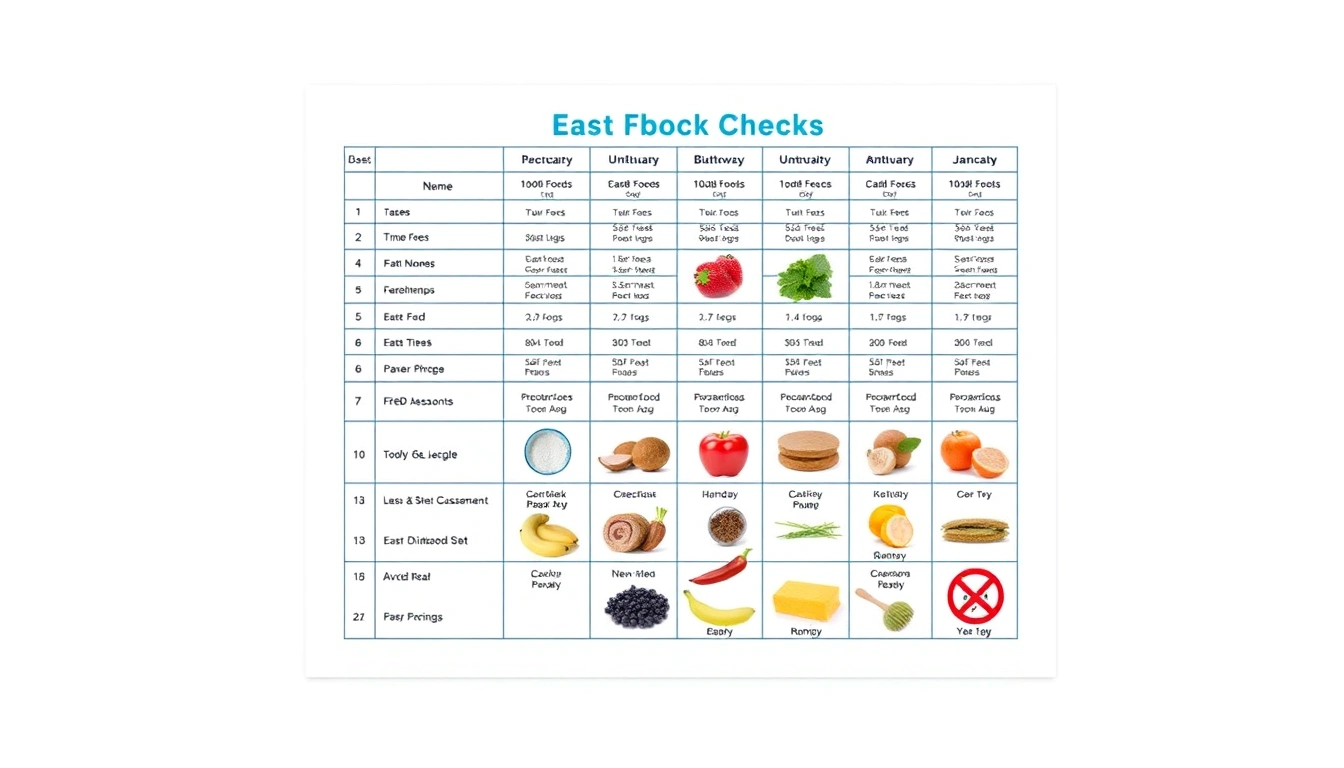
Quick Answer: For many people with gestational diabetes, a workable food chart keeps carbs predictable, usually around 30-45 g at meals and 15-20 g at snacks. However, your own target should come from consulting your obstetric clinician or a registered dietitian.
Key Facts / Key Takeaways
– Balanced meals often work best: vegetables + protein + measured carbs.
– Sugar-heavy drinks and refined starches are the most common spike triggers.
– Carbohydrates are not banned; portions and pairings matter.
– Some people need a stricter or more flexible plan based on glucose readings.
– A 2024 review in Nutrients and guidance from the American Diabetes Association both emphasize individualized meal planning.
Managing gestational diabetes can make a plate look suddenly complicated. It doesn’t have to be.
Build meals around fiber, protein, and slow-digesting carbs. Cut back on sugar-heavy drinks, sweets, and refined starches. That usually means a food chart based on non-starchy vegetables, whole grains in sensible portions, lean protein, healthy fats, and fruit paired with protein. Discuss your own situation with your obstetric clinician or a qualified dietitian, because food needs in pregnancy vary a lot.
I write about prenatal nutrition and blood-sugar management for readers who need practical, not generic, guidance.
The Real Difference Between “Foods to Eat” and “Foods to Avoid”
The split is not “healthy” versus “unhealthy.” It’s about how fast a food tends to raise blood glucose, and whether it fits into a balanced meal without a fight. For gestational diabetes, an effective food chart usually keeps carbohydrates predictable and spreads them across the day. Simple, but not easy.
Vegetables, beans, lentils, eggs, Greek yogurt, tofu, nuts, seeds, fish that’s pregnancy-safe, and whole grains in portions that fit your care plan are the foods to eat most often. They usually digest more slowly, especially with protein or fat alongside them.
By contrast, foods to avoid are the ones most likely to cause sharp spikes if eaten alone or in large amounts. Soda, sweet tea, juice, candy, pastries, white bread, many breakfast cereals, large portions of white rice, and “naked carbs” like crackers or chips without protein all belong there.
And here’s the awkward bit: some foods that look wholesome still hit blood sugar fast. Fruit juice, smoothies, dried fruit, and big bowls of oatmeal can do that for some people. Sneaky stuff. The chart below helps, but it is not a substitute for the meal pattern your clinician recommends.
Gestational Diabetes Food Chart: What to Eat Most Often
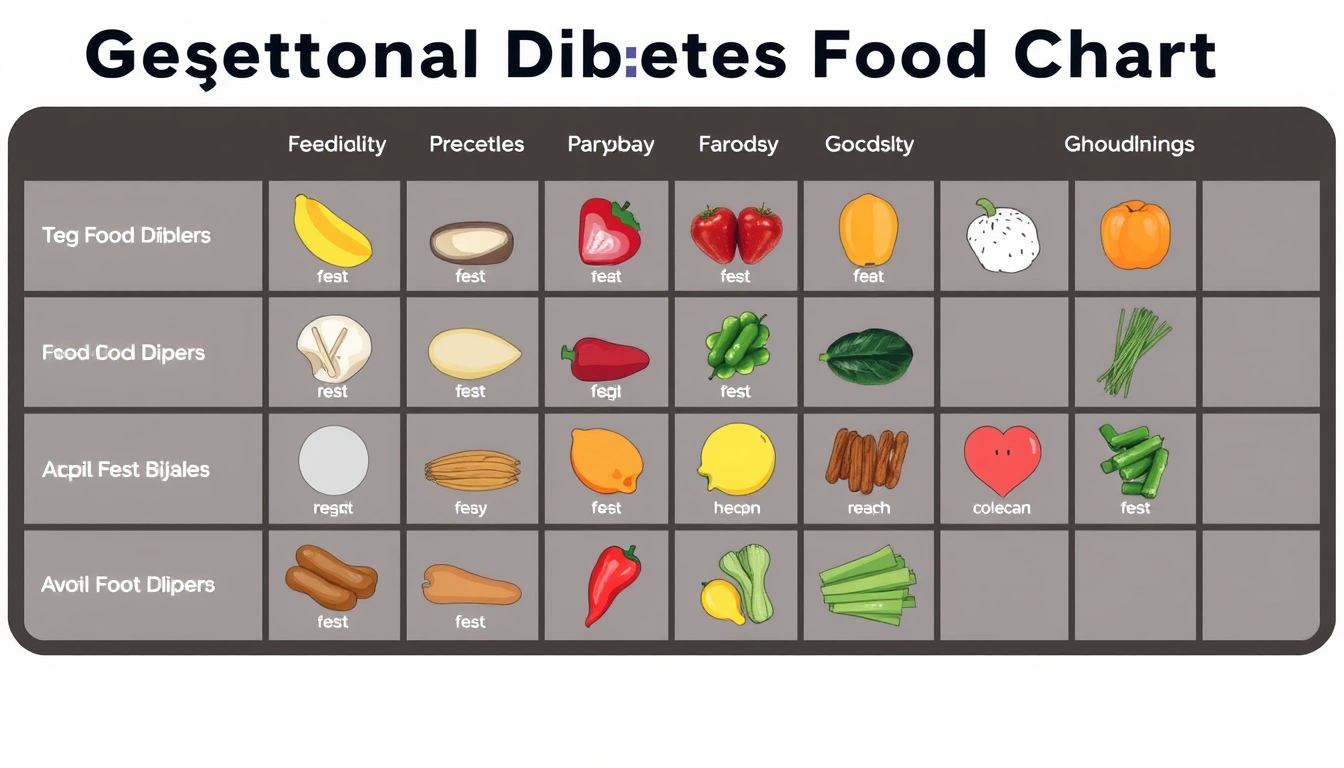
This part usually does the heavy lifting. Not magic. Just consistency.
The goal is not to eat “perfectly”; it’s to build meals that are steady and satisfying.
Most useful foods for a gestational diabetes meal chart:
– Non-starchy vegetables: spinach, broccoli, cauliflower, peppers, zucchini, salad greens, green beans
– Protein foods: eggs, chicken, turkey, fish low in mercury, tofu, tempeh, cottage cheese, plain Greek yogurt
– Healthy fats: avocado, nuts, seeds, olive oil, natural nut butters
– High-fiber carbs in modest portions: beans, lentils, chickpeas, quinoa, brown rice, whole-wheat bread, oats
– Fruit in controlled portions: berries, apples, pears, oranges, kiwi
– Dairy or fortified alternatives without added sugar: plain milk, unsweetened soy milk, plain yogurt
– Snacks that combine protein + fiber: apple with peanut butter, yogurt with chia, hummus with vegetables
A meal with carbohydrate usually works better when protein and vegetables are in the mix too. Dietitians often recommend that pattern for blood-sugar stability in pregnancy, and honestly, it’s one of the few rules that feels practical in real life.
Here’s a practical chart you can use as a starting point:
| Food group | Foods to choose more often | Why they help | Foods to limit |
|---|---|---|---|
| Vegetables | Leafy greens, broccoli, peppers, cucumber, cauliflower | Low in carbs, filling, easy to pair with meals | Creamed or breaded versions |
| Protein | Eggs, chicken, turkey, tofu, beans, Greek yogurt | Helps slow digestion and supports fullness | Breaded, fried, or sugary versions |
| Carbs | Whole grains, beans, lentils, quinoa, oats | More fiber than refined grains | White bread, pastries, large portions of rice/pasta |
| Fruit | Berries, apples, pears, citrus | Better when paired with protein | Juice, dried fruit, large smoothies |
| Dairy | Plain yogurt, milk, unsweetened soy milk | Adds protein and calcium | Flavored yogurt with added sugar |
| Fats | Avocado, nuts, seeds, olive oil | Slows the meal and improves satisfaction | Sugary spreads, fried add-ons |
A common mistake is treating every meal like it has to be low-carb. That can backfire fast; you end up hungry, and the next meal gets messier. Better target? Controlled carbs with a strong protein anchor.
Gestational Diabetes Foods to Avoid: The Ones Most Likely to Spike Sugar
These are the foods that most often cause trouble because they enter the bloodstream fast or are easy to overeat. No moral lecture needed. Just a short list of repeat offenders.
Foods to avoid or keep rare:
– Soda and sweetened drinks
– Fruit juice, even if it sounds natural
– Candy, cake, cookies, donuts, pastries
– White bread, white rolls, many refined baked goods
– Sweetened cereal and granola with added sugar
– Large portions of pasta, rice, mashed potatoes, or french fries
– Sweetened coffee drinks
– Milkshakes and desserts
– Highly processed snack foods that are mostly starch and salt
Why are these foods risky? Simple: many are concentrated carbohydrate with little fiber, protein, or fat to slow absorption. Some are liquid, which can make blood sugar rise faster than solid food. Clinical guidance typically emphasizes limiting added sugars and focusing on balanced meals rather than leaning on willpower alone.
A real-life drawback: the “avoid” list can feel punitive if it gets too rigid. Cut out too many foods without swapping in satisfying options, and hunger starts yelling. That’s why a food chart works best when it shows what to eat instead of just what to skip.
The Honest Side-by-Side

The cleanest way to use a gestational diabetes food chart is to compare what tends to steady blood sugar versus what tends to raise it quickly.
| Criteria | Foods to Eat | Foods to Avoid | Winner for gestational diabetes control |
|---|---|---|---|
| Blood-sugar impact | Usually slower rise, especially with protein/fiber | More likely to spike quickly | Foods to eat |
| Satiety | More filling per meal | Easier to overeat without feeling full | Foods to eat |
| Ease of building meals | Works in bowls, plates, and snacks | Often needs pairing to be workable | Foods to eat |
| Convenience | Some prep required, but batch-friendly | Grab-and-go, but often less stable | Foods to avoid |
| Nutrient density | Often high in fiber, protein, iron, calcium | Often lower in nutrients, higher in added sugar | Foods to eat |
| Craving control | Better for steady energy | Can trigger rebound hunger | Foods to eat |
| Social flexibility | Takes planning at restaurants and events | Easy to find but risky for spikes | Foods to eat |
| Comfort factor | More filling, less “snacky” | Tastier in the moment for many people | Depends on the situation |
| Portion control | Easier to structure | Easy to overshoot with refined carbs | Foods to eat |
The table is not saying you can never touch dessert or bread. It is saying those foods are the ones you should treat as occasional and planned, not automatic. That difference matters, and your care team or a dietitian can confirm it with you.
The Real Difference Between Carbs You Pair and Carbs You Eat Alone
Paired carbs are the practical middle ground most people need. They are the carbs that can fit into a gestational diabetes food chart without causing as much trouble because they come with protein, fiber, or fat.
Toast alone is not equal to toast with eggs. Berries with plain Greek yogurt are not like juice in a glass. Brown rice with chicken and vegetables is not identical to a large bowl of rice by itself.
So the chart should not scare you away from all carbohydrate. Pregnancy needs fuel, and carb restriction that is too aggressive can be hard to sustain and may be inappropriate for some people. The smarter move is to choose carbs that bring something else to the plate and keep portions consistent.
Where this approach can fail: using “healthy” carb labels as a green light for giant servings. Whole-wheat bread, oats, quinoa, and beans still contain carbohydrate. They are often better choices, not magic ones.
The Specific Situations Where Foods to Avoid Win
This section sounds backward on purpose: some “avoid” foods still win in narrow situations because convenience matters.
Avoidance foods win when you need fast access and there are no better options. A plain cracker or a piece of bread may be easier to find than a balanced meal during travel, an appointment, or a long workday. In those cases, the issue is not that the food is ideal; it’s that it can be the best available bridge to the next meal.
Socially, they also win. Birthday cake, holiday meals, and restaurant menus are rarely built around blood-sugar management. Trying to make every event perfect usually fails. Better to choose smaller portions of higher-risk foods and pair them with protein or vegetables when possible.
The drawback is obvious: once “just this once” becomes the default, blood sugar management gets harder. If you are reaching for refined carbs because you’re underfed, rushed, or skipping meals, the fix is usually better meal planning rather than more self-blame.
Our Verdict: Which One to Choose and Why
Choose foods to eat if you want the most reliable day-to-day pattern for gestational diabetes: balanced meals built around vegetables, protein, and controlled portions of high-fiber carbs. Choose the other group only as occasional, planned exceptions. Neither works well if you’re trying to manage this alone without individualized guidance from your clinician or a qualified dietitian.
For most readers, the winning “food chart” is not a strict blacklist. It is a repeatable plate formula: non-starchy vegetables, a protein source, and a measured carb that your body tolerates better than sugar-heavy or refined options.
When to Reconsider This Choice Entirely
Reconsider the whole chart if any of these are true:
- Your meals are being skipped. If you’re going too long without eating, even good foods can become harder to manage later.
- You’re reacting badly to foods that look “safe.” Some people see higher readings after oatmeal, rice, bananas, or milk than they expect. That’s a cue to bring the pattern to your care team, not to guess harder.
- You’re dealing with nausea, food aversions, or reflux. Pregnancy symptoms can change what’s realistic, and the chart may need to be simplified.
- You’re trying to use an internet chart as your only plan. Gestational diabetes care is individual. Food timing, carb tolerance, and monitoring goals can vary by person.
If the food chart leaves you confused, frustrated, or scared to eat, that is not a failure on your part. It usually means the plan needs adjusting to your pregnancy, your symptoms, and your clinician’s guidance.
A Practical Food Chart You Can Actually Use
If you want a simple starting point, use this:
Eat more often
– Vegetables of all kinds, especially non-starchy ones
– Eggs, chicken, fish low in mercury, tofu, beans
– Plain yogurt, cottage cheese, unsweetened milk or soy milk
– Nuts, seeds, avocado, olive oil
– Whole grains and fruit in measured portions
Avoid or keep rare
– Soda, juice, sweet tea
– Candy, cake, cookies, pastries
– White bread and refined snack foods
– Large servings of rice, pasta, potatoes, and fries
– Sweetened cereals and flavored yogurt
That is the basic chart. What makes it work is not perfection. It’s repetition: familiar breakfasts, steady snacks, and meals you can keep eating without feeling deprived.


