
“`html
Low Glycemic Index Foods for Gestational Diabetes
Last updated: August 08, 2026
- Oatmeal in a 2-pound bag costs about $3, and a pound of lentils, roughly $1.50.
- “`html Low Glycemic Index Foods for Gestational Diabetes Dealing with gestational diabetes isn’t easy.
- You need to understand how low glycemic index (GI) foods can stabilize your blood sugar.
- Key Facts Low GI Score: Foods earning a glycemic index score under 55 are classified as low.
Dealing with gestational diabetes isn’t easy. You need to understand how low glycemic index (GI) foods can stabilize your blood sugar. This guide highlights which foods are beneficial and why they should be included in your diet. Remember: consulting a healthcare professional helps tailor dietary advice to meet your specific needs.
Quick Answer
For managing gestational diabetes, foods with a low glycemic index like whole grains and non-starchy vegetables help keep blood sugar steady. They’re affordable and easy to find, making them great additions to your diet.
Key Facts
- Low GI Score: Foods earning a glycemic index score under 55 are classified as low.
- Whole Grains: Think oats, barley, and quinoa; loaded with fiber and having a low GI.
- Non-Starchy Vegetables: Examples include spinach, broccoli, and bell peppers; they barely budge your blood sugar.
- Consultation: Always chat with a healthcare provider for diet advice that’s just right for you.
Why Low GI Foods Matter for Gestational Diabetes
Low GI foods are more than just numbers on a scale; they are digesting champions, leading to gradual rises in blood sugar. This controlled release is critical during pregnancy for both mother and child. Typically high in fiber, these foods help manage gestational diabetes effectively with their sub-55 scores.
Key Low GI Foods to Consider
Whole Grains: The Fiber Factor
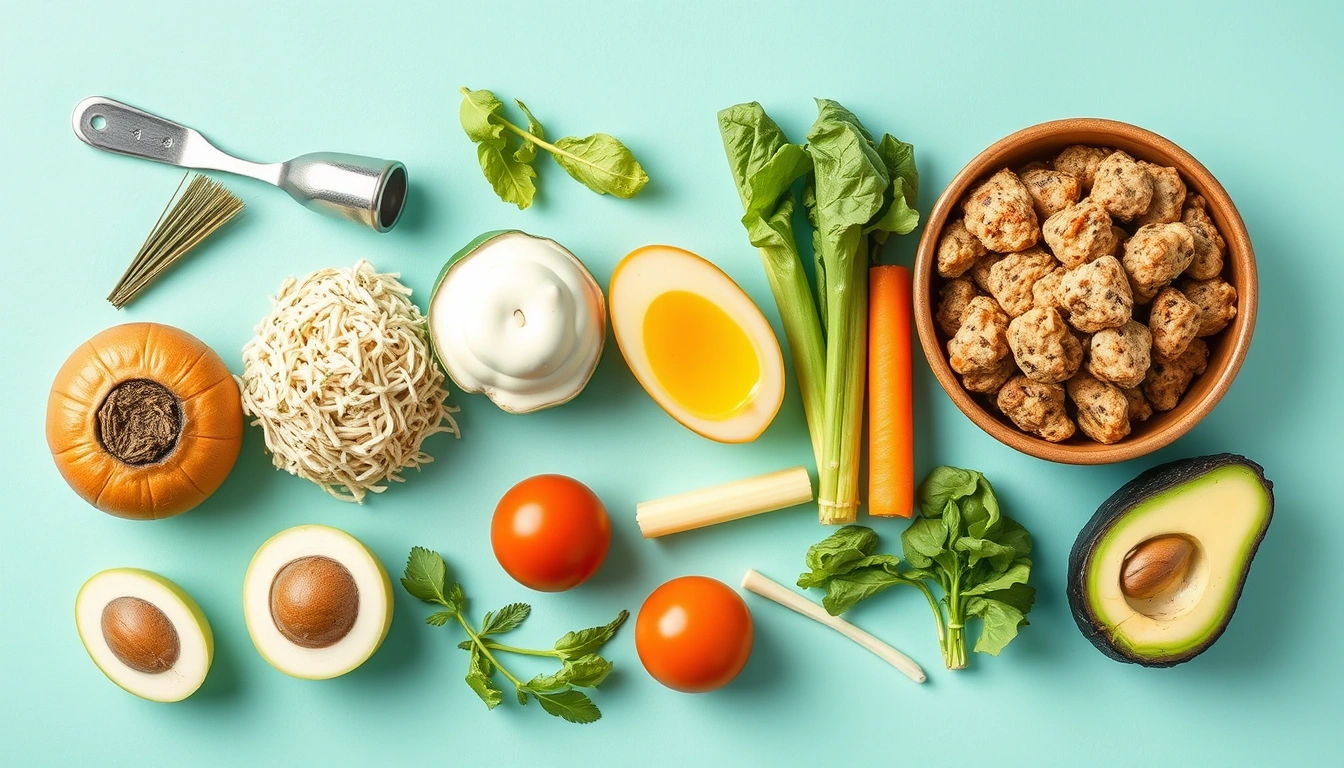
Seeking low GI options? Whole grains like oats, barley, and quinoa are fantastic. They pack in fiber, assisting digestion and making you feel full longer. For those grappling with gestational diabetes, these grains help keep glucose levels in check, reducing insulin spikes. Learn more about whole grains.
Vegetables: The Non-Starchy Choice
Spinach, broccoli, and bell peppers—non-starchy and highly beneficial—help in managing gestational diabetes as they hardly affect blood sugar levels. They’re rich in nutrients, offering essential vitamins and minerals without causing significant glucose changes. See a list of non-starchy vegetables.
Legumes: The Protein Powerhouse
If you’re looking for low glycemic foods, legumes such as lentils, chickpeas, and black beans fit the bill. They’re rich in protein and fiber, which helps in maintaining stable blood sugar while giving energy and nutrients vital for a healthy pregnancy. Discover the benefits of legumes.
Fruits: Choosing the Right Ones
Opt for fruits like apples, pears, and berries as they generally have a lower GI. These can be a source of antioxidants and essential nutrients without causing a significant rise in blood sugar levels. Whole fruits are preferable to juices since they retain more fiber.
Foods to Use Cautiously
High GI Foods: Avoid the Spike
White bread, sugary cereals, and processed snacks rank high on the glycemic index, sparking swift blood sugar spikes. It’s smart to avoid these as they complicate managing gestational diabetes and can mess with your mood and energy.
Exception Scenarios: When Low GI Isn’t Enough
Sometimes, low GI foods alone aren’t enough to control blood sugar. Severe gestational diabetes may call for medication or insulin, combined with dietary changes. Chat with your healthcare provider for a tailored approach that works best for your particular situation.
The Honest Side-by-Side
| Criteria | Grains with High Fiber | High GI Processed Foods | Winner for Managing Blood Sugar |
|---|---|---|---|
| Glycemic Index | Low (below 55) | High (above 70) | Grains with High Fiber |
| Fiber Content | High | Low | Grains with High Fiber |
| Nutrient Density | High | Low | Grains with High Fiber |
| Blood Sugar Effects | Gradual Increase | Rapid Spike | Grains with High Fiber |
| Satiety | High | Low | Grains with High Fiber |
| Versatility | Can be used in various dishes | Limited | Grains with High Fiber |
| Availability | Widely available and affordable | Widely available | Grains with High Fiber |
Our Verdict: Which Foods to Choose and Why
For steady blood sugar: choose whole grains, non-starchy vegetables, and legumes during your pregnancy. These foods provide fiber, nutrients, and a gentle GI impact, supporting gestational diabetes management. Opt for specific fruits like apples and berries for their low GI and high nutritional content. Steer clear of high GI processed foods that spike glucose quickly. Read more about managing blood sugar levels.
Cost and Price of Low GI Foods
Low GI foods such as whole grains and legumes prove economical and accessible. Oatmeal in a 2-pound bag costs about $3, and a pound of lentils, roughly $1.50. Non-starchy vegetables like broccoli and spinach are usually affordable, though prices can vary by location. These budget-friendly choices make them appealing for managing your diet while pregnant.
When to Reconsider This Choice Entirely
Should dietary changes prove inadequate in managing blood sugar, it’s time to consult with your healthcare provider for additional interventions. This might include medication or a custom meal plan. Each pregnancy is unique, so what’s effective for one person might not be for another. Seeking personalized medical advice is paramount for your safety and well-being.
“`


