
Last updated: November 19, 2026
Quick Answer: for Gestational Diabetes 1-Hour Screening Test Preparation, the day before is usually simple: eat normally, drink water, and bring your paperwork; if your clinician gave different instructions, follow those instead. The Gestational Diabetes 1-Hour Screening Test Preparation guidance below is for the day before a screening test, and it assumes you already have an order for the visit. If anything about your pregnancy, medicines, or testing plan is unclear, speak with a qualified clinician before the appointment.
Key takeaways
- The 1-hour screen is usually a glucose challenge test, not a fasting test.
- The main job the day before is to avoid last-minute changes that can make the appointment harder or delay it.
- A normal meal plan, water, and the right papers matter more than “special prep.”
- Work, errands, and travel should be arranged so the blood draw can happen on time.
- If the ordering clinician gave special instructions, those instructions override general advice.
What should I do the day before?
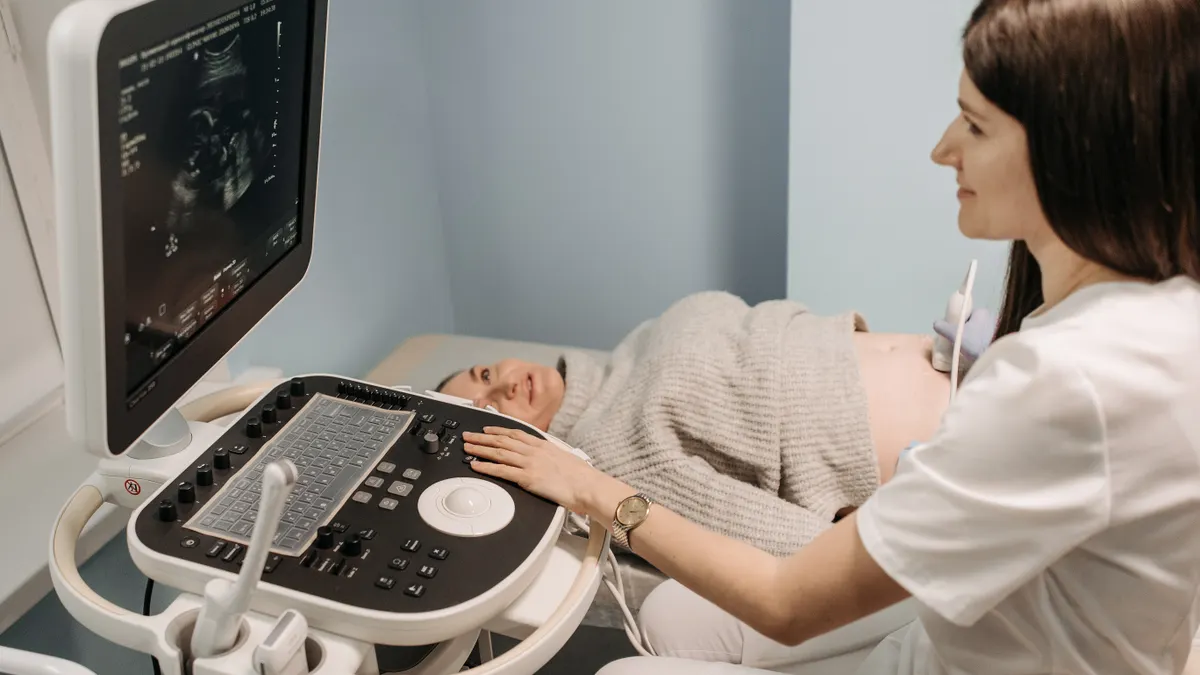
The day before the 1-hour glucose screening test, keep your eating pattern steady, confirm the appointment time, and set out what you need for the lab. The goal is simple: arrive ready for the glucose challenge test without adding avoidable stress or confusion.
This page is for a person who already has a screening order and wants practical prep for the next day. It assumes you know the test is part of pregnancy screening and that the lab will likely ask for a laboratory requisition, an appointment reminder, and your identifying details. It does not cover what a result means.
There is research behind this topic, but the practical question is narrow. PubMed shows a large body of related literature, including review articles and other study types, but the day-before instructions should still come from the order attached to the test. Gestational diabetes screening guidance from ACOG also emphasizes following individualized prenatal advice when instructions differ.
How do I prepare, step by step?
Follow the appointment instructions you were given, keep the day before ordinary, and verify the details that can block the test or waste a trip.
- Check your appointment reminder and verify the time, location, and check-in rules for the laboratory.
- Review the laboratory requisition and confirm that the order is for the 1-hour glucose screening test or glucose challenge test.
- Eat your usual meals the day before unless your clinician gave a different plan; verify that no fasting instruction was attached to your order, because this test is commonly scheduled without overnight fasting.
- Drink water through the day so you are not starting the appointment dehydrated; verify that you can still tolerate the drink used in the test if nausea is a concern.
- Pack your papers, a photo ID if your lab asks for one, and any paperwork that came with the requisition; verify that the names and birth date match your records.
- Plan your meals, work, and errands around the appointment so you can stay near the lab for the 1-hour wait; verify that you can sit or remain nearby for the full testing window.
- Set a phone alarm or reminder for the test time and the travel time before it; verify that you have enough time to arrive early without rushing.
- Pause any question about medicines, nausea, or prior test problems and bring it to the ordering clinician or lab before the appointment if needed; verify that you know whom to call if the plan changes.
The mechanism here is straightforward. The lab measures how your body handles a sugar drink after the screening dose, so the biggest prep risk is not the food itself but arriving with the wrong instructions, the wrong paperwork, or an overbooked day. MedlinePlus explains that this test is commonly used in pregnancy and is not always done as an overnight-fast study.
The ClinicalTrials.gov data for this subject show that the topic has registered studies, but that does not tell a reader how to prep for the test. What matters for Gestational Diabetes 1-Hour Screening Test Preparation is the order attached to the appointment, not a guess based on a different visit.
Do I need to fast before the 1-hour screen?
Usually, no fasting is needed for the 1-hour gestational diabetes screen, but the order on your chart controls. This is one of the few pregnancy tests where people often worry about over-preparing, and that can backfire if the instructions were actually different.
If the lab told you to fast, follow that exact instruction. If no fasting note is on the laboratory requisition or appointment reminder, do not decide to fast anyway the night before unless a qualified clinician told you to do that. Skipping meals can make the appointment feel worse and may change how you tolerate the drink.
A practical check helps here: look at the paper or portal message that named the test. If it says glucose challenge test, 1-hour screen, or similar wording without fasting steps, that usually points to a nonfasting appointment. If the wording is unclear, ask the ordering office before the visit rather than guessing.
What should I eat and drink the day before?
The safest practical approach is a normal day of eating and regular water intake unless your clinician gave a special plan. The day before is not the time for a crash diet, an all-carbohydrate day, or a long stretch without food.
A steady routine is easier on the body than a dramatic change. Eat the meals you usually tolerate, keep fluids up with water, and avoid adding unusual supplements or skipping meals just because the screen is next day. If nausea is part of pregnancy for you, plain foods that usually settle well may help you get through the appointment day, but that is comfort, not test prep.
The common mistake is trying to “game” the screen by eating extra sugar or cutting carbs hard. That is not a smart trade, because the result should reflect your usual pattern as closely as possible. If you have already been told to follow a specific diet for another reason, keep that plan unless your prenatal team changed it.
What should I bring to the appointment?
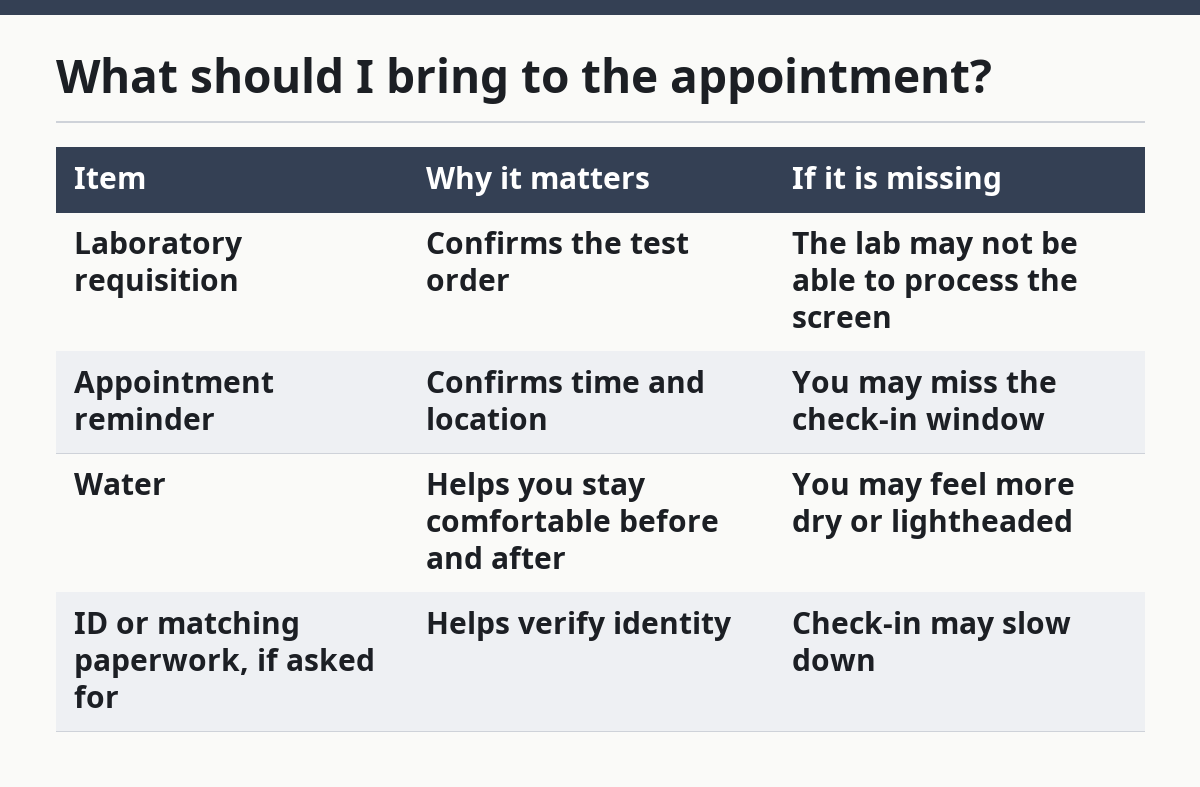
Bring the laboratory requisition, your appointment reminder, and anything the lab uses to match you to the test order. Those two papers are the main items that prevent delays.
If your name or date of birth has changed, or if your records use a different last name, make sure the lab can connect the paperwork to you. A mismatch can slow check-in, and a slow check-in can make the rest of the morning harder if you have work or childcare after the visit. Water is also sensible to carry, even if the lab has its own rules about when you can drink it.
Here is a quick comparison of what matters and why:
| Item | Why it matters | If it is missing |
|---|---|---|
| Laboratory requisition | Confirms the test order | The lab may not be able to process the screen |
| Appointment reminder | Confirms time and location | You may miss the check-in window |
| Water | Helps you stay comfortable before and after | You may feel more dry or lightheaded |
| ID or matching paperwork, if asked for | Helps verify identity | Check-in may slow down |
Do not bring a long snack list as a substitute for the requisition. Food can help with comfort before and after, but it cannot replace the paper trail the lab needs.
How should I plan the morning around work or errands?
Plan the morning so the lab visit is the first fixed stop, not the thing squeezed between two other errands. The 1-hour screen includes a wait after the drink, so a tight calendar is the wrong setup.
Build in travel time, check-in time, and the 1-hour wait. If your job, school run, or errands depend on an exact finish time, ask yourself whether the appointment can fit without rushing. The answer is often no, and a rushed morning can lead to missed paperwork, forgotten water, or having to reschedule.
This is also where an appointment reminder helps in a practical way. A reminder on the phone, plus a paper copy or portal note, lowers the chance of mixing up the time. If the lab is far from home or work, keeping the rest of the morning light is better than trying to stack three stops after the test.
When should I stop and ask for help?
Stop and get qualified advice if any of these apply, because the standard prep may not fit your situation.
You were told to fast, but the paperwork is unclear: The order may have special instructions — call the ordering clinician or lab before the appointment.
You have strong nausea, vomiting, or trouble keeping fluids down: The screening drink may be hard to tolerate — contact the clinician or lab for timing advice.
You take medicines that affect eating or blood sugar and no one reviewed them with you: The prep may need individual guidance — ask the clinician who ordered the test.
You cannot stay for the full 1-hour wait: The screen depends on timing — reschedule rather than cutting the wait short.
Your lab paperwork and your name or birth date do not match: Check-in may stall or fail — fix the mismatch before arrival.
You are unsure whether this is the 1-hour screen or a different glucose test: The preparation can differ — confirm the exact test name before going.
These are not small details. They are the points where a routine lab visit becomes a failed visit, an uncomfortable visit, or a visit that needs to be repeated.
What mistakes cause the most trouble?
The biggest mistakes are the ones that change the day before into a guessing game. They usually do not improve the test; they only make the appointment less predictable.
One error is fasting without being told to fast. That can leave you hungry, shaky, or miserable without benefit. The better move is to follow the exact instruction on the requisition or from the ordering office.
Another error is eating a very different diet the day before. People sometimes cut carbs hard or eat sweets on purpose, but that creates unnecessary noise in the day and can make the morning feel worse. A normal day is more useful than a dramatic one.
A third error is forgetting the paperwork. Without the laboratory requisition or appointment reminder, the visit can stall at the desk. Put both in the same place the night before.
A fourth error is filling the morning with errands. The 1-hour wait is built into the screening process, so the appointment needs space. If you know you will be rushed, the better alternative is to change the plan before the day of the test.
A fifth error is assuming the same prep applies everywhere. Clinics and labs may give slightly different instructions, and the one attached to your order is the one that matters. A brief call can save a wasted trip.
What if my instructions are different?
Follow the written instructions tied to your order if they differ from general advice. That is especially true if your clinician gave fasting directions, timing rules, or medication guidance.
There are also edge cases where standard prep needs a modification. If you have a history of feeling faint with blood draws, tell the lab before the test starts. If you have severe nausea, the timing of the drink may need a discussion. If you have already been scheduled for a different glucose test, such as a longer confirmatory test, do not assume the prep is the same as the 1-hour screen.
Because the plan for pregnancy can vary, any specific nutrition plan, blood sugar plan, or food restriction from your prenatal team takes priority. The point of preparation is not to force one universal routine on every pregnancy; it is to arrive with the correct instructions followed.
For the broader screening pathway, the gestational diabetes diagnosis and screening pathways hub covers where this test fits. This page stays with the practical day-before steps so the appointment is easier to complete.
FAQs
Do I need to fast for the 1-hour gestational diabetes test?
Usually, no. The 1-hour gestational diabetes screen is commonly scheduled without overnight fasting, but the written order matters more than a general rule. If your requisition or clinic message says to fast, follow that instruction and ask the ordering office if anything is unclear.
Can I eat breakfast before the screening test?
Usually, yes, if your clinician did not tell you to fast. A normal breakfast is often allowed for the 1-hour screen, and the test is designed around that kind of setup. If breakfast is not allowed on your order, do not guess; check the instructions before the appointment.
What should I bring to the screening appointment?
Bring your laboratory requisition and appointment reminder first. Those are the most important items because they help the lab match you to the correct test and time. If your lab asks for ID, bring that too, and keep your paperwork together so check-in goes faster.
Drafted with AI; not yet reviewed by a person.
