Last updated: August 09, 2026
Quick Answer
To check blood sugar during pregnancy, you’ll need a glucose meter and related supplies. Perform the test as advised by a healthcare professional to ensure accuracy.
Key Facts / Key Takeaways

-
Gestational diabetes affects up to 10% of pregnancies in the U.S.
-
Regular monitoring helps maintain target blood sugar levels.
-
Testing frequency varies based on individual needs.
-
Consult your healthcare provider for personalized advice.
Who This Applies To — and Who Should See a Professional Instead
Monitoring blood sugar levels during pregnancy is crucial for those diagnosed with gestational diabetes or at risk of developing it. This guide is intended for expectant mothers who have been advised by their healthcare provider to regularly check their blood sugar levels. It is not a substitute for professional medical advice. If you are unsure about your need to monitor blood sugar or have any underlying health conditions, consult a healthcare professional before proceeding. This guide does not apply to individuals with type 1 or type 2 diabetes, who should follow their doctor’s specific recommendations (American Diabetes Association).
The Step-by-Step Process for How to Check Blood Sugar During Pregnancy (Done Correctly)

Regular blood sugar monitoring helps manage gestational diabetes effectively. Here’s how to do it properly:
-
Gather Your Equipment: Ensure you have a blood glucose meter, sterile lancets, test strips, and alcohol swabs. Verify that your meter is calibrated according to the manufacturer’s instructions.
-
Wash and Dry Your Hands: Use soap and warm water to clean your hands thoroughly. Dry them completely to avoid diluting the blood sample.
-
Prepare the Lancet Device: Insert a new sterile lancet into your lancet device. Adjust the penetration depth if your device allows for it, depending on your skin thickness.
-
Insert a Test Strip: Place a test strip into the glucose meter. Wait for the device to signal it is ready for a sample.
-
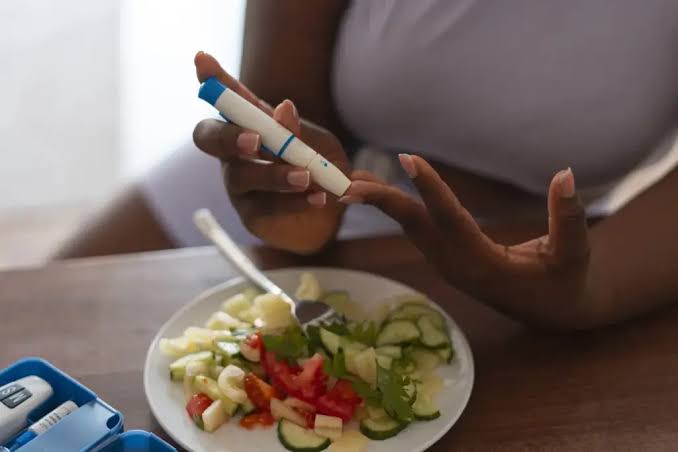
Prick Your Finger: Use the lancet device to prick the side of your fingertip. This area is less sensitive than the center of the finger.
-
Collect the Blood Sample: Gently squeeze the base of your finger towards the tip to form a blood droplet. Avoid excessive squeezing, which can affect the sample’s accuracy.
-
Apply Blood to Test Strip: Touch the blood droplet to the strip’s designated area. Ensure it absorbs the sample fully for an accurate reading.
-
Wait for the Result: The meter will display your blood sugar level. Record this result along with the date and time.
-
Dispose of Used Materials: Safely discard the lancet and test strip. Keep your testing area clean to avoid contamination.
If your reading is higher or lower than the target range provided by your healthcare provider, follow up immediately for advice.
Critical Checkpoints: What to Verify Before Moving Forward
Before starting a blood sugar monitoring routine, verify these aspects:
-
Understand Your Target Range: Know the specific blood sugar targets set by your healthcare provider.
-
Check Equipment Functionality: Regularly calibrate your glucose meter as per the manufacturer’s guidelines.
-
Maintain Supplies: Keep an adequate stock of test strips and lancets to avoid interruptions in your monitoring routine.
-
Stay Informed: Be aware of how different foods, activities, and stress levels can affect your blood sugar levels.
Warning Signs: When to Stop and Get Help
Monitoring your blood sugar is generally safe, but certain conditions require immediate medical attention:
-
Severe Hypoglycemia: Symptoms like confusion, dizziness, or fainting indicate dangerously low blood sugar. Seek urgent medical care.
-
Hyperglycemia: Consistently high readings above your target range can lead to complications. Contact your healthcare provider for guidance.
-
Infection at the Prick Site: Redness, swelling, or pus are signs of infection. Consult your doctor for appropriate care.
-
Faulty Equipment: If your meter malfunctions or readings seem inaccurate, stop testing and get a replacement or recalibration.
-
Unusual Symptoms: Any new or worsening symptoms should prompt a discussion with your healthcare provider.
The Most Common Mistakes (and Their Real Consequences)
Avoid these mistakes to ensure accurate blood sugar readings:
-
Skipping Hand Washing: Not washing hands can lead to false readings due to residues. Wash and dry hands thoroughly.
-
Using Expired Test Strips: Expired strips can yield inaccurate results. Check expiration dates regularly.
-
Incorrect Blood Sample Size: Too small a sample can cause errors. Ensure the droplet fully covers the test strip area.
-
Not Recording Results: Failing to log results can hinder tracking and management of blood sugar levels. Keep a detailed log for reference.
-
Ignoring Unusual Readings: Consistently ignoring readings outside the target range can lead to unmanaged gestational diabetes. Follow up with your healthcare provider for high or low readings.
Edge Cases and Modified Approaches
Some situations may require adjustments to the standard monitoring routine:
-
Anemia: May affect glucose meter readings. Discuss with your healthcare provider for appropriate adjustments.
-
Peripheral Circulation Issues: If you have poor circulation, alternative sites like the forearm might be used, but confirm this with your doctor.
-
Skin Sensitivity: If you experience skin irritation, adjust the lancet depth or rotate fingers used for testing to reduce discomfort.
What to Expect: Realistic Timeline and Outcomes
Regular monitoring of blood sugar during pregnancy can help maintain levels within the target range, reducing risks to both mother and baby. The frequency of testing will vary based on individual needs and recommendations from your healthcare provider, typically ranging from multiple times a day to less frequent intervals. Consistent monitoring and recording of blood sugar levels can aid in identifying patterns and making informed dietary and lifestyle adjustments. Remember, the goal is to manage blood sugar effectively to ensure a healthy pregnancy outcome. For the best results, consult with your healthcare provider to tailor this guidance to your specific needs.