Last updated: October 12, 2026
- Gestational diabetes is usually discovered during pregnancy, often on routine screening.
- The real distinction is not “all three mean high blood sugar.” It is what drives the high blood sugar and when it shows up.
- A screening result that suggests gestational diabetes calls for confirmation and follow-up with an obstetric clinician or diabetes team.
- Gestational diabetes is not the right label.
Quick Answer: Gestational diabetes is a pregnancy-related form of high blood sugar; type 1 and type 2 diabetes are usually chronic conditions that already exist. The difference matters because care, targets, and follow-up are not the same. Talk with a qualified clinician about your own numbers, symptoms, and pregnancy plan instead of trying to sort it out alone.
Key Facts
- Gestational diabetes usually appears during pregnancy, often on routine screening.
- Type 1 diabetes is autoimmune and insulin-deficient.
- Type 2 diabetes is usually insulin resistance with a longer-term pattern.
- Pregnancy changes blood sugar targets and treatment choices.
- Gestational diabetes can signal a higher future risk of type 2 diabetes.
- When the diagnosis is unclear, a clinician should classify it and plan postpartum follow-up.
Gestational diabetes shows up during pregnancy and is managed within pregnancy care. Type 1 and type 2 diabetes are separate conditions, and the differences matter because the risks, monitoring, and timing of care are not the same. This post explains how gestational diabetes differs from type 1 type 2 diabetes, and if this is your situation, speak with a qualified clinician about your own numbers, symptoms, and pregnancy plan instead of trying to sort it out alone.
If You’re Trying to Figure Out Which Kind of Diabetes This Might Be
“What do I have, and why does the label matter?” Start with timing and context, not with the word diabetes itself. Gestational diabetes is usually discovered during pregnancy, often on routine screening. Type 1 and type 2 diabetes usually exist before pregnancy, even if nobody noticed until later. For a plain-language overview, see the CDC pregnancy diabetes page.
That difference changes the whole conversation. Pregnancy hormones are the driver in gestational diabetes. Type 1 means the body makes little or no insulin. Type 2 means the body does not use insulin well and may not make enough over time. Those are not just labels; they point to different patterns, different follow-up, and different long-term implications.
Had diabetes before pregnancy? That is not gestational diabetes. If blood sugar first turned abnormal during pregnancy, gestational diabetes becomes a strong possibility, but only your clinician can sort that out cleanly. Sometimes pregnancy exposes type 2 diabetes that was already there but hidden. Another reason the name matters is that the same lab result can mean different things depending on when it appears and what came before. The American Diabetes Association notes that classification depends on the full clinical picture, not a single test.
Here is the practical difference in one glance, but a clinician should confirm the diagnosis:
| Situation | Best Path | Why Other Options Fail |
|---|---|---|
| Blood sugar abnormal only after pregnancy starts | Think gestational diabetes until your clinician says otherwise | Assuming type 2 or type 1 too early can muddy prenatal care |
| Diabetes known before pregnancy | Think preexisting type 1 or type 2 diabetes | Calling it gestational diabetes can miss the long-term disease pattern |
| Abnormal pregnancy test plus old symptoms before pregnancy | Ask whether type 2 was present but undiagnosed | Treating it as “just pregnancy-related” can underestimate follow-up needs |
A simple rule helps: if the problem appears in pregnancy, the stakes are mostly about pregnancy care now; if it existed before pregnancy, the condition is a longer-term diagnosis that pregnancy happens to be intersecting. So the label should be confirmed by a qualified clinician.
Quick check: did the high blood sugar first show up during pregnancy, or was diabetes already part of your medical history?
What Actually Separates Gestational, Type 1, and Type 2 Diabetes

The real distinction is not “all three mean high blood sugar.” It is what drives the high blood sugar and when it shows up.
Gestational diabetes happens when pregnancy hormones make the body more resistant to insulin than usual, and the pancreas cannot keep up. That is why it is tied to pregnancy. After delivery, blood sugar often improves, but that does not mean the issue was trivial. It means the trigger was temporary, even if the risk story is not. The CDC estimates that 6% to 9% of pregnancies in the United States are affected.
Type 1 diabetes is an autoimmune condition. The immune system attacks the insulin-making cells in the pancreas. People with type 1 need insulin because the body does not make enough on its own. This is not caused by pregnancy, food choices, or “being careless,” which is a common and unfair myth. Put simply, that story is nonsense.
Type 2 diabetes is different again. The body still makes insulin, at least at first, but cells do not respond to it properly. Over time, insulin production may also drop. Type 2 is often linked with insulin resistance, but it is not one thing with one cause. Genetics, body weight, age, activity, sleep, medications, and other factors can all play a role, and the mix varies from person to person.
The practical difference is that gestational diabetes is usually time-limited to pregnancy management, while type 1 and type 2 are chronic conditions. That does not mean gestational diabetes is “milder.” It means the context is different. Pregnancy changes blood sugar targets, treatment choices, and the possible effects on the baby. For pregnancy-specific treatment guidance, the NIDDK and ACOG both recommend clinician-directed care.
I would be careful with any article that treats gestational diabetes as just “type 2 during pregnancy.” That shorthand misses the fact that pregnancy itself changes how the body handles glucose. It also misses the important follow-up question: some people with gestational diabetes later develop type 2 diabetes, so pregnancy can be a warning light rather than the whole story. A WHO fact sheet notes that diagnosis and follow-up matter for long-term risk.
Quick check: are you trying to understand the mechanism behind the diagnosis, or are you trying to understand what it means for care right now?
If You’re Pregnant and the Test Came Back Abnormal
A screening result that suggests gestational diabetes calls for confirmation and follow-up with an obstetric clinician or diabetes team. The exact pathway varies, but the logic is consistent: confirm the pattern, then monitor more closely.
Do not assume the result means you “failed” the pregnancy. Pregnancy hormones can push blood sugar up even in people who have never had diabetes before. But do not dismiss it either. Gestational diabetes can affect pregnancy care, so it belongs on the medical map.
A reasonable decision path often looks like this:
- Ask which test was abnormal and whether it was a screening test or a diagnostic test.
- Clarify whether you already had diabetes before pregnancy or any borderline blood sugar history.
- Ask what your care team wants monitored next, such as home glucose checks or repeat lab work.
- Discuss how pregnancy changes the blood sugar targets they use, since the targets in pregnancy are not the same as for everyone else.
- Review medication options only with the clinician managing the pregnancy, because pregnancy changes which options are appropriate.
- Plan postpartum follow-up before delivery, since gestational diabetes does not end the story when the baby is born.
Should the result turn out to be gestational diabetes, the difference from type 1 or type 2 matters because treatment is usually centered on pregnancy safety, fetal growth, and blood sugar monitoring rather than the long-term disease framework used for chronic diabetes. If the pattern instead points to type 2 diabetes that was there before pregnancy, your care plan usually needs broader long-term follow-up. If type 1 is in the picture, insulin deficiency is the core issue and the plan changes again. A clinician should make that distinction, not an online quiz.
A generic article would tell you to “eat better and exercise more.” Too vague. In pregnancy, the real question is what your clinician wants you tracking, how often, and what numbers they consider out of range. The March of Dimes has a helpful patient overview.
Quick check: were you told “gestational diabetes,” or were you told simply that your blood sugar is high during pregnancy?
If You Already Have Type 1 or Type 2 Diabetes and Become Pregnant
Had diabetes before pregnancy? Gestational diabetes is not the right label. The situation is different from the start, and the biggest mistake is letting the pregnancy diagnosis hide the chronic one.
For type 1 diabetes, pregnancy care usually focuses on insulin needs, glucose monitoring, and avoiding both highs and lows. The issue is not whether diabetes exists; it does. The issue is how pregnancy changes insulin demand and how closely the pregnancy team needs to watch you. Tight control becomes the daily job.
For type 2 diabetes, the main question is whether the condition is already established and how pregnancy affects your overall management plan. Some people with type 2 use medication before pregnancy and then need a revised plan during pregnancy. The details depend on the person, the pregnancy, and the clinician’s judgment. I am not going to pretend there is one standard answer, because there isn’t.
A useful way to think about it:
- Confirm whether the diabetes diagnosis was made before conception or only after pregnancy started.
- Tell the pregnancy clinician the exact diagnosis you were given, not just “blood sugar issues.”
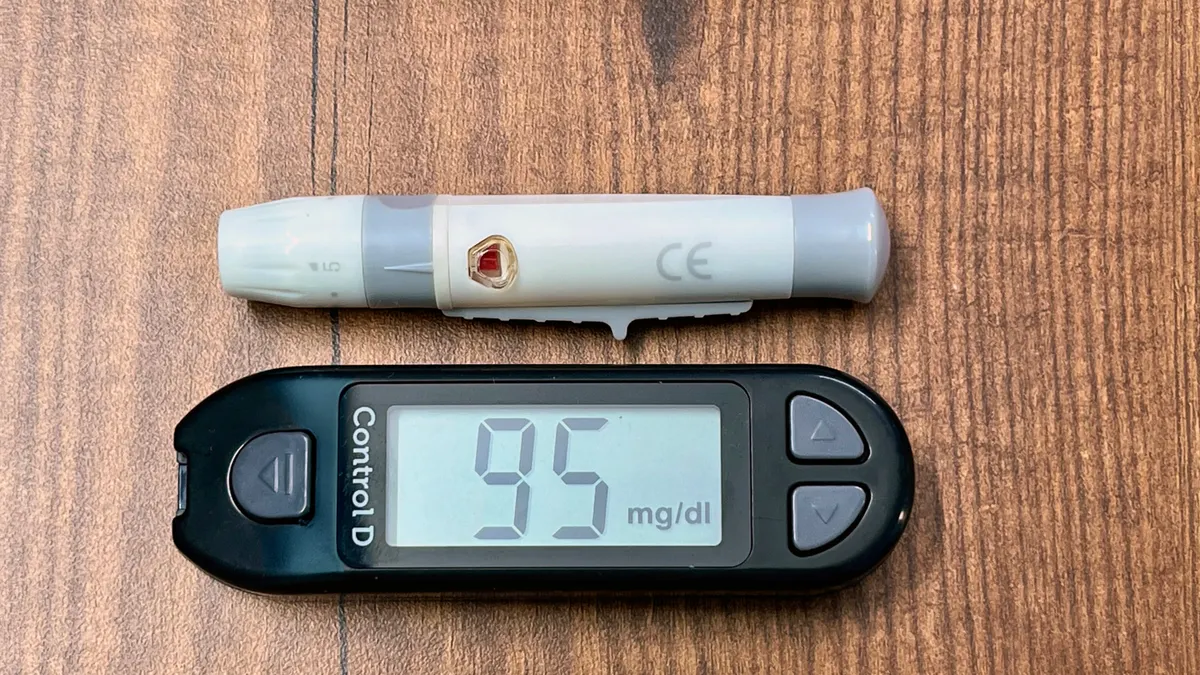
- Review your current monitoring setup, whether that is finger-stick testing or a continuous glucose monitor.
- Ask which readings the pregnancy team wants you to bring in and how often they want review.
- Ask whether your current medicines are still considered appropriate in pregnancy.
- Make a postpartum plan, because insulin needs and medication needs often change again after delivery.
The common trap here is assuming pregnancy makes all diabetes the same. It does not. A person with longstanding type 1 diabetes and a person who develops gestational diabetes in the third trimester may both have high glucose readings, but the reason, the risks, and the management priorities differ.
This is where a “one-size-fits-all” online explanation can hurt. Some advice for gestational diabetes is about keeping the pregnancy stable. Some advice for type 2 is about long-term metabolic health. Some advice for type 1 is about insulin replacement and preventing dangerous lows and highs. Mixing them up is not harmless. The NIH/NIDDK has separate guidance for each condition.
Quick check: did you have a diabetes diagnosis before pregnancy, or did pregnancy reveal the problem for the first time?
The 3 Conditions That Change Everything
Remember just one thing: timing, cause, and future risk separate these diagnoses in practice.
First, timing. Gestational diabetes appears during pregnancy. Type 1 and type 2 usually exist outside pregnancy. That sounds simple, but it is the first filter clinicians use because it changes how they interpret test results.
Second, cause. Gestational diabetes is driven by pregnancy-related insulin resistance. Type 1 is autoimmune and insulin-deficient. Type 2 is mainly insulin resistance with a complex long-term progression. Those mechanisms are different enough that the right treatment framework is different too. A clinician should match the plan to the diagnosis.
Third, future risk. Gestational diabetes can go away after pregnancy, but it can also signal a higher chance of future glucose problems, so follow-up matters. Type 1 and type 2 are ongoing diagnoses that need long-term care. They do not end with childbirth. The CDC recommends postpartum testing after gestational diabetes.
When readers get confused, it is usually because they focus only on the word “diabetes” and miss the underlying story. That leads to bad assumptions, such as “gestational diabetes is only a pregnancy nuisance” or “type 2 is just the same thing in another package.” Both are too neat to be true. Life is messier.
If you want a decision shortcut, use this:
- If the issue began during pregnancy: think gestational diabetes first.
- If diabetes existed before pregnancy: think type 1 or type 2.
- If the diagnosis is unclear: ask the clinician whether this is newly diagnosed gestational diabetes, previously unrecognized type 2, or less commonly type 1.
That last part matters. A generic explanation often stops at definition and never tells you what to ask next. In real life, the next question is the one that changes care.
Quick check: is your main uncertainty about the cause, the timing, or what happens after pregnancy?
Edge Cases Where the Usual Advice Breaks Down
If the situation is unusual, the normal “gestational vs type 1 vs type 2” summary can mislead you. These cases are the ones I would not brush aside.
-
Situation: Diabetes is first found late in pregnancy, and the numbers are quite high.
What changes: It can be hard to tell gestational diabetes from previously unrecognized type 2 diabetes.
What to do instead: Ask the clinician how they are classifying it and whether they want postpartum testing to clarify the long-term picture. -
Situation: You had borderline blood sugar before pregnancy but no formal diagnosis.
What changes: Pregnancy may reveal a condition that was already starting.
What to do instead: Treat the old history as relevant, not incidental, and make sure it is shared with the pregnancy care team. -
Situation: You have type 1 diabetes and now you are pregnant.
What changes: This is not gestational diabetes, and the main issue is insulin management during pregnancy.
What to do instead: Keep the focus on the existing diagnosis and ask for pregnancy-specific monitoring rather than a new label. -
Situation: You were told you had gestational diabetes after delivery.
What changes: That wording may be off, because gestational diabetes is usually a pregnancy diagnosis.
What to do instead: Ask whether the clinician suspects type 2 diabetes or postpartum glucose abnormalities instead. -
Situation: You are being told all diabetes in pregnancy is basically the same.
What changes: That advice erases real differences in cause and follow-up.
What to do instead: Ask what diagnosis they are actually documenting and what that means for the long term. -
Situation: You are overwhelmed by the label and focusing only on food changes.
What changes: Diet is only one part of the picture, and not always the main one.
What to do instead: Ask for the full care plan, including monitoring and follow-up, rather than guessing from internet advice.
Quick check: does your situation fit a clean textbook case, or is the diagnosis overlap making things muddy?
Cost and Price Considerations
If you are comparing diabetes care, cost matters too. Gestational diabetes often means extra visits, home glucose checks, and sometimes medication. In the U.S., the price of glucose meters and test strips varies widely, and continuous glucose monitors can cost much more. Insurance coverage can change what you pay, so ask the clinic or pharmacy for exact numbers before you start.
A practical budget check helps:
- Home glucose meter: often low cost, sometimes under $20.
- Test strips: recurring cost that can add up each month.
- Continuous glucose monitor: usually higher cost and often needs prior authorization.
- Pregnancy follow-up visits: may increase if monitoring is tighter.
For many patients, the biggest cost is not one device. It is the sum of supplies, visits, and postpartum testing. If money is a concern, ask the clinician or pharmacist about lower-cost options and insurance coverage before buying anything.
What a Good Comparison Should Help You Do Next
If you came here wanting a neat chart, I hope you leave with a better question: what does this diagnosis mean for my specific situation? That is the useful version of the comparison.
Gestational diabetes differs from type 1 and type 2 diabetes in when it appears, what causes it, and how the care plan is built. Gestational diabetes is tied to pregnancy and pregnancy hormones. Type 1 is autoimmune and insulin-deficient. Type 2 is a chronic insulin-resistance condition with broader long-term management needs.
The honest limitation is that no article can tell you which diagnosis applies to you from symptoms alone. High blood sugar does not sort itself into a category just because the internet wants a tidy answer. Your pregnancy status, your past history, and your clinician’s interpretation all matter.
If you are pregnant, the safest next move is to talk with the clinician managing your pregnancy and ask them to name the diagnosis clearly, explain why they chose it, and outline what happens after delivery. If you are not pregnant but were told you have gestational diabetes, ask them to clarify the label, because that wording may require a different explanation and a different follow-up plan.
Drafted with AI; not yet reviewed by a person.