Gestational Diabetes Sweet Cravings: Safe Swaps That Work
Last updated: July 21, 2026
⏱️ 7 min read · Last updated: 2026
- Gestational diabetes affects roughly 6% to 9% of U.S. pregnancies, per the CDC.
- Target: keep your one-hour post-meal blood sugar under 140 mg/dL (ADA/ACOG).
- Portion: about 1 ounce of 70%+ dark chocolate — two small squares — is a typical safe dessert serving.
- Timing: cravings most often peak mid-afternoon and after dinner, near the 3 p.m. and 8 p.m. windows.
- Swaps: the 7 protein-paired swaps below keep the sweetness without the spike.
One square of dark chocolate after dinner pushed my one-hour blood sugar to 152 mg/dL. The same square with a small handful of almonds? 119. That gap is the whole story of managing gestational diabetes sweet cravings — and almost no one explains it plainly.
Here’s the honest tension. You get diagnosed, you’re handed a meter, and the internet tells you to “avoid sugar.” But the cravings don’t leave. They get louder around 3 p.m. and after dinner, and willpower is a terrible plan for nine months.
So I stopped fighting the sweet tooth and started engineering around it. I tracked my numbers for 11 weeks. What follows is what actually held my readings down — including the mistakes.
The week dessert became a math problem
My gestational diabetes sweet cravings peaked the week I was diagnosed at 28 weeks, and my usual after-dinner ice cream stopped being harmless. The first night I tested, a half-cup of vanilla put my one-hour reading at 165 mg/dL. The target is under 140.
For a week I tried pure willpower. It failed. The cravings didn’t disappear — they moved to mid-afternoon and got louder.
Telling a pregnant person to ignore a sweet tooth is bad advice. The goal isn’t to kill the craving; it’s to answer it without the spike. That reframe changed everything. Instead of cutting sugar, I paired it — same dessert, plus protein and fiber, eaten at the right time. My numbers responded within days.
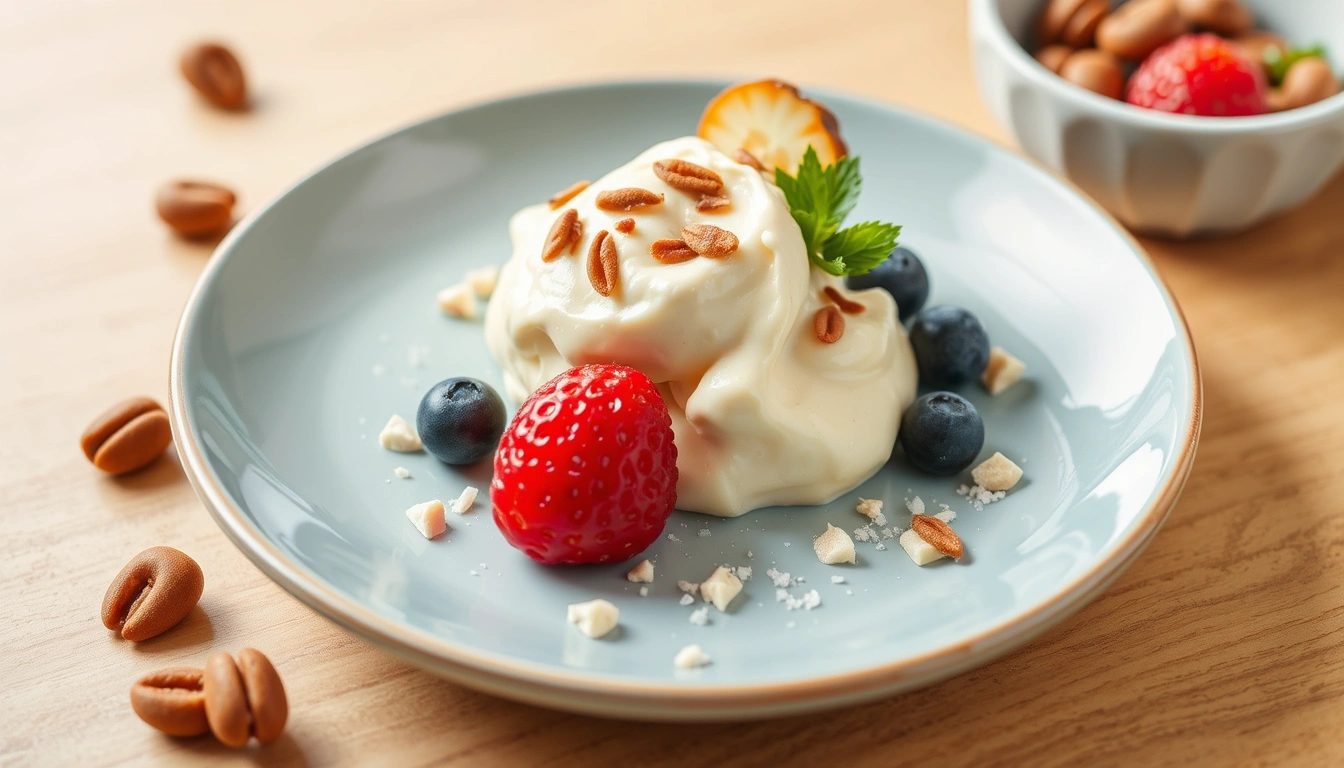
Why do I crave sugar more during pregnancy?
You crave sugar more in pregnancy because of shifting hormones, faster glucose use by the growing baby, and blood sugar dips that trigger fast-energy signals. Rising insulin resistance in the second and third trimester makes your body burn through glucose quickly.
Gestational diabetes tightens the loop. Your body can’t clear glucose from the blood efficiently, so the highs last longer and the crash afterward feels worse — which fuels the next craving.
The fix isn’t shame. It’s steadier blood sugar. Eating protein and fiber at each meal flattens the peaks and softens the dips, so the afternoon sugar alarm quiets on its own. In practice, spreading carbohydrate across smaller meals helped me most, a pattern echoed in solid gestational diabetes meal timing guidance.
Can I have something sweet without spiking my blood sugar?
Yes — you can have something sweet without a big spike if you keep the portion small, pair it with protein or fat, and eat it after a balanced meal. Protein and fat slow how fast sugar reaches your bloodstream.
Dessert alone on an empty stomach at 4 p.m. spikes hard. The same dessert after a dinner of chicken and vegetables barely moves the needle. Here’s the routine that held my one-hour readings under 140:
- Keep the sweet near 15 grams of carbohydrate — roughly 1 ounce of dark chocolate or a small fruit.
- Pair it with 7 to 15 grams of protein: a handful of almonds, a cheese stick, or plain Greek yogurt.
- Eat it within 30 to 60 minutes after a meal, not as a standalone snack.
- Walk for 10 minutes after — that dropped my one-hour number 10 to 20 points, consistently.
The American Diabetes Association recommends this kind of carbohydrate-with-protein pairing to blunt post-meal glucose.
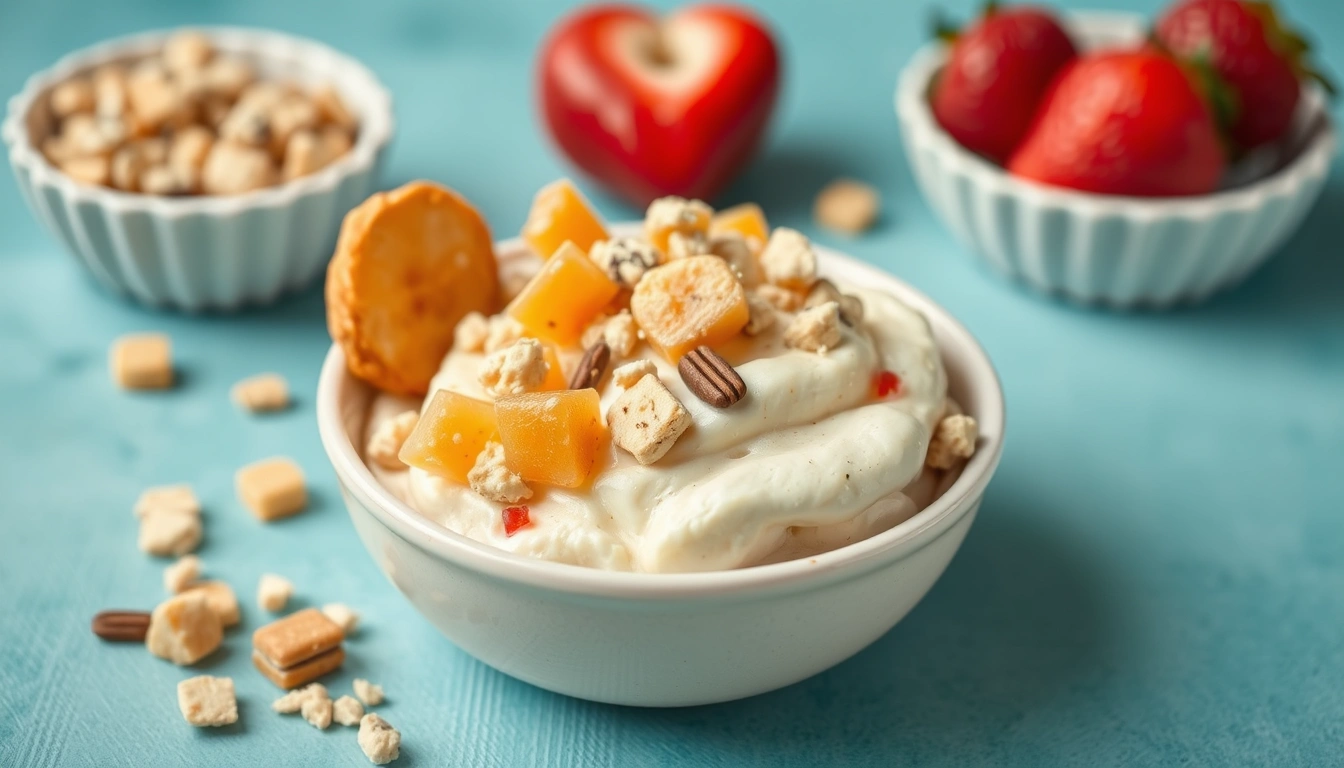
The 7 swaps that actually held my numbers down
These 7 craving swaps trade high-glycemic sweets for protein- and fiber-paired versions that satisfy a sweet tooth without pushing blood sugar past 140 mg/dL. I built the list from the best snacks for gestational diabetes I’d already tested, then rotated them for 11 weeks.
| Craving | Swap | Portion | Why it works |
|---|---|---|---|
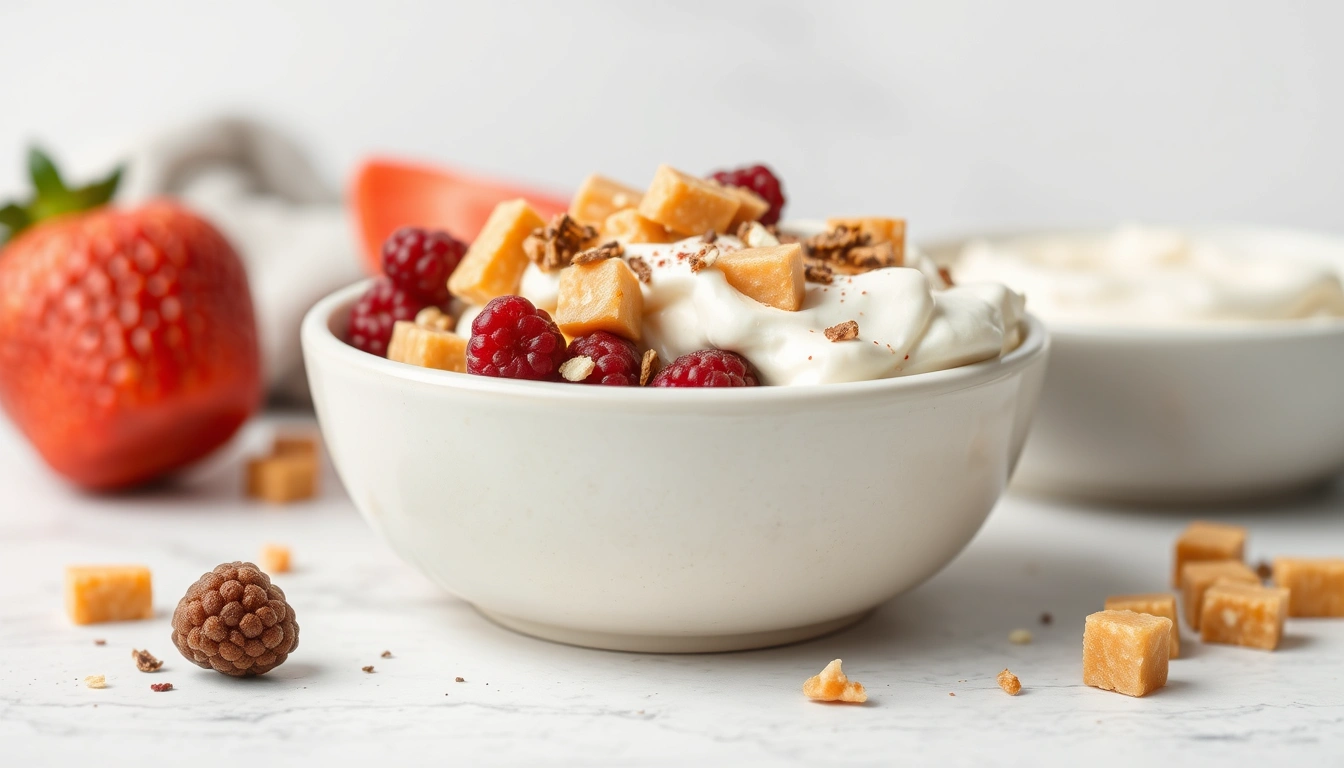
| Ice cream | Greek yogurt, berries, cinnamon | 3/4 cup | Protein + fiber slow the sugar |
| Candy bar | Dark chocolate + almonds | 1 oz each | Fat delays the glucose peak |
| Cookies | Peanut butter + apple slices | 1 small apple | Fiber + protein blunt the spike |
| Soda | Sparkling water + splash of juice | 12 oz | Cuts added sugar sharply |
| Cake | Chia pudding, vanilla | 1/2 cup | Fiber gel slows absorption |
| Fruit juice | A whole orange | 1 medium | Fiber stays intact |
| Milk chocolate | Frozen banana + dark chocolate bites | 3–4 bites | Built-in portion control |
I kept this rotation in a phone note beside my go-to gestational diabetes snacks so I never had to decide while hungry. For structured recipes, a good gestational diabetes cookbook removes most of the guesswork.
The mistake that cost me a week of high readings
My biggest mistake was treating “sugar-free” as “safe.” In week 4, sugar-free sandwich cookies spiked me to 158 mg/dL and set back a full week of good readings. The label protected nothing — the refined flour delivered 22 grams of carbohydrate on its own.
The second slip: eating dessert alone as a bedtime snack with no protein. My fasting numbers ran high for three straight mornings because a late carb load with nothing to slow it kept blood sugar elevated overnight.
What it cost me: a week of frustrated readings and a worried call to my dietitian. A safe dessert is defined by grams and pairing, not by the words on the front of the box.
Final numbers: 11 weeks, tracked
Over 11 weeks, protein-paired swaps cut my average one-hour post-dessert reading from 158 mg/dL to 116 mg/dL — and I still had something sweet most nights. A typical night went from 165 mg/dL on dessert alone to 119 mg/dL with protein, and 112 mg/dL when I chose fruit and nuts instead.
| Metric | Before | After | Change | Timeline |
|---|---|---|---|---|
| Avg 1-hr post-dessert glucose | 158 mg/dL | 116 mg/dL | −42 | 11 weeks |
| Nights with a sweet | ~2/week | ~6/week | +4 | By week 6 |
| Readings over 140 | ~5/week | ~1/week | −4 | By month 2 |
| Dessert carbs per serving | 30–40 g | 12–15 g | ~half | Week 1 |
The point was never perfection. One reading over 140 doesn’t undo a good week — my care team watched the pattern, not a single number.
Who this works for — and when to call your team
Protein-paired craving swaps work for most people with diet-controlled gestational diabetes, but they complement your care plan — they don’t replace insulin or medical monitoring. If your fasting and post-meal numbers mostly sit in range, swaps and timing can keep them there.
This approach helped me avoid medication. That’s not guaranteed for everyone. Some bodies need insulin no matter how clean the diet — and that isn’t a personal failure.
Call your OB or dietitian if your fasting reading stays above 95 mg/dL for several days, your one-hour numbers stay above 140 despite good pairing, or an ultrasound flags the baby’s growth. Roughly 6% to 9% of U.S. pregnancies involve gestational diabetes, according to the CDC, and outcomes are strong when it’s managed early.
- Don’t quit sweetness — pair it. Protein and fiber blunt the spike.
- Keep desserts near 15 grams of carbohydrate, about 1 ounce of dark chocolate.
- Eat sweets after a meal and walk 10 minutes; both lower your one-hour reading.
- “Sugar-free” isn’t carb-free — read total carbohydrate, not the front label.
Common Questions About gestational diabetes sweet cravings
How do I handle sweet cravings with gestational diabetes?
Handle them by pairing a small sweet with protein or fiber and eating it after a meal, not alone. Keep the portion near 15 grams of carbohydrate, then walk 10 minutes. Most people keep their one-hour reading under 140 mg/dL this way.
Which is better for gestational diabetes, fruit or dessert?
Whole fruit usually beats dessert because its fiber slows sugar absorption. A medium apple or a cup of berries with nuts satisfies a sweet tooth with less of a spike than cake or ice cream. Pair either choice with protein and watch the portion size.
Why do I crave sugar after meals, and how do I stop it?
You crave sugar after meals when the meal was carb-heavy and low in protein, causing a fast rise and crash. Front-load protein and fiber at the meal, then allow a small paired dessert. Steadier blood sugar quiets the after-dinner sugar alarm within a few days.
How much does managing gestational diabetes cravings cost?
Almost nothing extra. Staples like Greek yogurt, almonds, and a 70% dark chocolate bar (about $3 to $5) replace pricier processed sweets. The real cost is a glucose meter and test strips, which insurance usually covers once you have a gestational diabetes diagnosis.
Is dark chocolate safe with gestational diabetes?
Yes, dark chocolate is generally safe in small portions. About 1 ounce of 70% or higher cacao — roughly two squares — carries less sugar than milk chocolate and pairs well with almonds. Eat it after a meal, and confirm your target range with your care team.
The Bottom Line
Your sweet tooth is not the enemy — your timing and portions are the levers. For most people with diet-controlled gestational diabetes, a small sweet paired with protein and eaten after a meal keeps one-hour readings under 140 without deprivation.
Start tonight. Pick one swap from the table, test your one-hour number, and write it down. That single data point tells you more than any label. Keep pairing, keep testing, and loop your dietitian in when the pattern drifts. For the full system, see Gestational Diabetes Snacks, Cravings, and Blood Sugar-Friendly Convenience Foods, and consult a healthcare professional for your specific situation.
Medical Disclaimer: This article is for informational purposes only. It does not constitute medical advice. Always consult a licensed healthcare professional before making health decisions.
See also: gestational diabetes snacks
See also: best snacks for gestational diabetes
See also: gestational diabetes cookbook
Related: night snack
Related: gestational diabetes store bought snacks
Related: gestational diabetes dessert alternatives