

Last updated: August 09, 2026
Gestational diabetes demands careful food choices to manage your blood sugar effectively. Here’s a list to guide you toward a healthier pregnancy diet. Don’t forget to talk to your healthcare professional to tailor these suggestions to your individual needs.
**Quick Answer:** While personal dietary needs vary, focus on high-fiber vegetables, lean proteins, whole grains, and healthy fats to manage gestational diabetes effectively.

**Key Facts / Key Takeaways:**
-
High-fiber vegetables help keep blood sugar stable.
-
Lean proteins are vital for fetal growth and keeping you full longer.
-
Choosing whole grains over refined options helps manage blood sugar.
-
Healthy fats support brain development in a growing fetus.
-
Moderate fruit intake is advised, selecting those with low glycemic impact.
What is Gestational Diabetes and How Does Diet Help?
In gestational diabetes, a pregnant woman’s body struggles to produce enough insulin, which leads to high blood sugar. A well-balanced diet is key to keeping levels stable and within a healthy range. Aim for foods with a low glycemic index that sustain energy and promote well-being.
Which Foods Are Ideal for Managing Gestational Diabetes?

High-Fiber Vegetables: A Must-Have for Blood Sugar Control
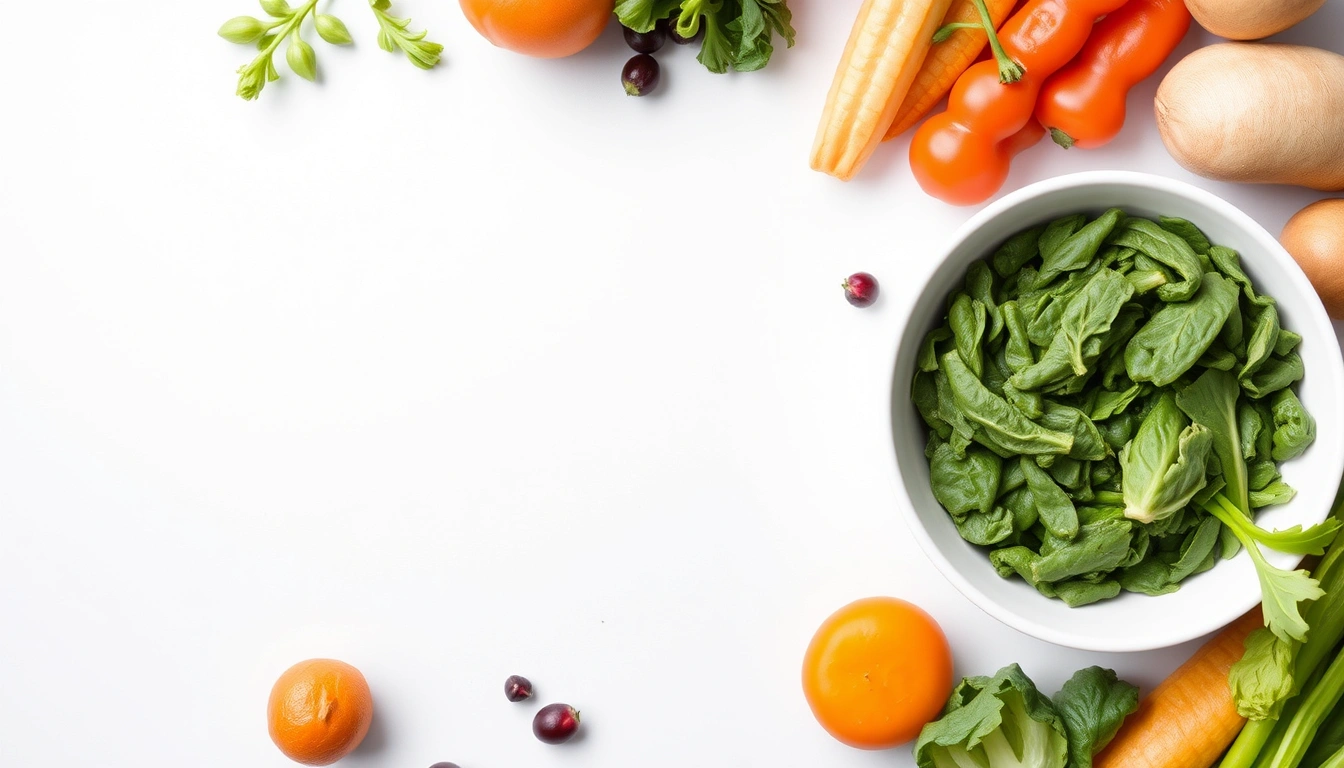
When managing gestational diabetes, high-fiber vegetables are indispensable. They not only stabilize blood sugar but also provide crucial nutrients. Stock your kitchen with broccoli, spinach, kale, and bell peppers. Low in calories and rich in vitamins, these veggies benefit both the mother and the baby.
Lean Proteins: The Building Blocks of a Healthy Diet
Go for lean proteins like chicken, turkey, and tofu. These foods supply the amino acids necessary for your baby’s growth while also keeping your hunger at bay. By including lean protein in each meal, you can maintain stable energy levels and support healthy weight control during your pregnancy.
Whole Grains vs. Refined Grains: Why Choose Whole Grains?
Select whole grains such as quinoa, brown rice, and whole wheat bread. They rank lower on the glycemic index and are higher in fiber, which helps slow sugar absorption into the blood. Whole grains are easy to include in your diet, offering a nutritious and fulfilling carbohydrate choice.
Healthy Fats: Essential for Nutrition and Fetal Development
Healthy fats from sources like avocados, nuts, and olive oil should be a part of your diet. These fats are important for fetal brain development and improve the absorption of fat-soluble vitamins. But watch your portions—fats are calorie-rich and could lead to weight gain if eaten in excess.
Fresh Fruits: Sweet and Sensible Options
Fruits contain natural sugars, so enjoy them in moderation. Choose fruits with a low glycemic index such as berries, apples, and pears. These choices supply essential vitamins and antioxidants, minimizing blood sugar spikes. Pair fruits with proteins or fats to better manage your blood sugar.
What Foods Should Be Limited or Avoided?
Sugary and Processed Foods to Avoid
Steer clear of foods loaded with added sugars and refined carbohydrates, like candy, pastries, and sugary drinks. They can cause blood sugar surges and promote unwanted weight gain. Focus on natural sweetness and whole, unprocessed foods instead.
Why Limit High-Starch Vegetables?
Limit your consumption of high-starch vegetables, including potatoes, corn, and peas. While they can fit into a balanced diet, high quantities may disrupt your blood sugar. Opt for smaller servings or switch to non-starchy alternatives.
How Important is Portion Control in Managing Gestational Diabetes?
Watching portion sizes is crucial for managing gestational diabetes. Consuming smaller, frequent meals helps prevent large blood sugar swings. Balance carbohydrates with proteins and fats during each meal. Smaller plates and accurate measurements can aid in maintaining suitable serving sizes.
Why Should You Consult a Healthcare Professional?
Every person has unique nutritional needs, particularly during pregnancy. Consulting a dietitian or other healthcare professional can offer personalized advice and dietary adjustments. Their guidance will help ensure that you and your baby receive the nutrients needed while keeping gestational diabetes in check.
Conclusion: How to Make Informed Choices About Diet?
To manage gestational diabetes via diet, select foods that maintain stable blood sugar levels and support overall health. Emphasize high-fiber vegetables, lean proteins, whole grains, healthy fats, and sensible servings of fresh fruits in your diet plan. Seek personalized advice from a healthcare professional to meet your individual dietary needs effectively.


