Last updated: October 12, 2026
- The practical answer depends on what happens after delivery.
- Before you decide the issue is over, I would want four things verified.
- Some situations need prompt medical review rather than routine follow-up.
- One common mistake is assuming that delivery automatically fixes everything.
Quick Answer: Yes, gestational diabetes often improves after delivery, but postpartum testing is the only way to know whether it truly resolved — usually 4 to 12 weeks after birth. A past case of gestational diabetes also raises later diabetes risk, so follow-up usually continues every 1 to 3 years. CDC NIDDK
Key Facts
- Gestational diabetes often improves after birth, but it does not always disappear. ACOG
- Postpartum glucose testing is commonly done 4 to 12 weeks after delivery. ADA
- Long-term screening is often recommended every 1 to 3 years after gestational diabetes. CDC
- A postpartum 75-gram oral glucose tolerance test is a common follow-up test. ADA
- Gestational diabetes increases the later risk of type 2 diabetes. NIDDK
Yes—gestational diabetes often goes away after pregnancy, but not always. Confirm it with a qualified clinician; don’t just assume. I’m writing for the person who just had a pregnancy complicated by gestational diabetes and wants to know what happens next, what needs checking, and what this means for the future. The short answer is plain: blood sugar usually improves after delivery because the pregnancy hormones that caused insulin resistance drop, but some people are left with ongoing high blood sugar or later develop type 2 diabetes. The keyword here is gestational diabetes. It usually improves after birth, but postpartum testing is what confirms that.
Who This Applies To — and Who Should See a Professional Instead
This article applies to people diagnosed with gestational diabetes mellitus, often shortened to GDM, during pregnancy and now trying to figure out whether it can resolve afterward. It also fits if you were told you had “borderline” pregnancy-related high blood sugar and are trying to make sense of follow-up. For most people, the next move is postpartum testing. Not guesswork. (Source: ACOG)
I’m not talking about someone who already had diabetes before pregnancy. Pre-existing type 1 or type 2 diabetes is a different condition with different follow-up. And I’m not describing an online checklist that replaces care. For your own situation, speak with a qualified clinician—an obstetric clinician, primary care clinician, endocrinologist, or midwife with medical oversight—because the timing of postpartum testing and the next steps vary by individual. Mayo Clinic
Some people should not treat this as a simple “wait and see” question. Very high glucose values during pregnancy, medication use, a baby with low blood sugar or a large birth weight, or symptoms after delivery such as unusual thirst, frequent urination, blurred vision, or unexplained fatigue all warrant a professional review. Those signs can point to persistent diabetes rather than a temporary pregnancy change. CDC
This is also not the right place to self-manage if you are pregnant again soon after a GDM pregnancy, are breastfeeding and unsure how that affects glucose management, or have other risks such as a history of prediabetes, polycystic ovary syndrome, or strong family history of type 2 diabetes. So the question is not just “can it go away?” but “what monitoring schedule and prevention plan is appropriate for me?” A clinician can help set that schedule. NIDDK
The Step-by-Step Process for Can Gestational Diabetes Go Away After Pregnancy? (Done Correctly)

The practical answer depends on what happens after delivery. This is not a “diagnose once and forget it” situation. It is a confirm-the-resolution, keep-watch, and recheck-over-time setup. (Source: ADA)
- Confirm the diagnosis was gestational diabetes, not pre-existing diabetes. Ask what test established it and whether anything before pregnancy suggested elevated glucose. The key point to verify is whether the high blood sugar first appeared in pregnancy. A problem sign is a chart that already suggested diabetes before conception, because that changes follow-up.
- Get postpartum glucose testing at the recommended follow-up visit. Commonly, clinicians use a postpartum glucose test such as a 75-gram oral glucose tolerance test, which measures how your body handles sugar after a set glucose load. The main check is whether glucose levels have returned to the non-diabetic range. A problem sign is missed follow-up, because symptoms alone can miss persistent dysglycemia. This visit is commonly recommended **4 to 12 weeks** after birth. ADA
- Review the result in plain language. The important question is whether the result suggests normal glucose metabolism, prediabetes, or diabetes. “Prediabetes” means blood sugar is above normal but not high enough for a diabetes diagnosis. The problem sign is any result that falls in the abnormal range, because that usually means ongoing monitoring is needed. NIDDK
- Check whether you have symptoms that do not fit a resolved pregnancy-only condition. Look for ongoing thirst, excessive urination, blurry vision, recurrent infections, or fatigue that feels out of proportion to newborn care. The main check is whether symptoms improved as pregnancy hormones fell. A problem sign is persistent or worsening symptoms, which need assessment rather than reassurance. If symptoms continue, consult a clinician. Mayo Clinic
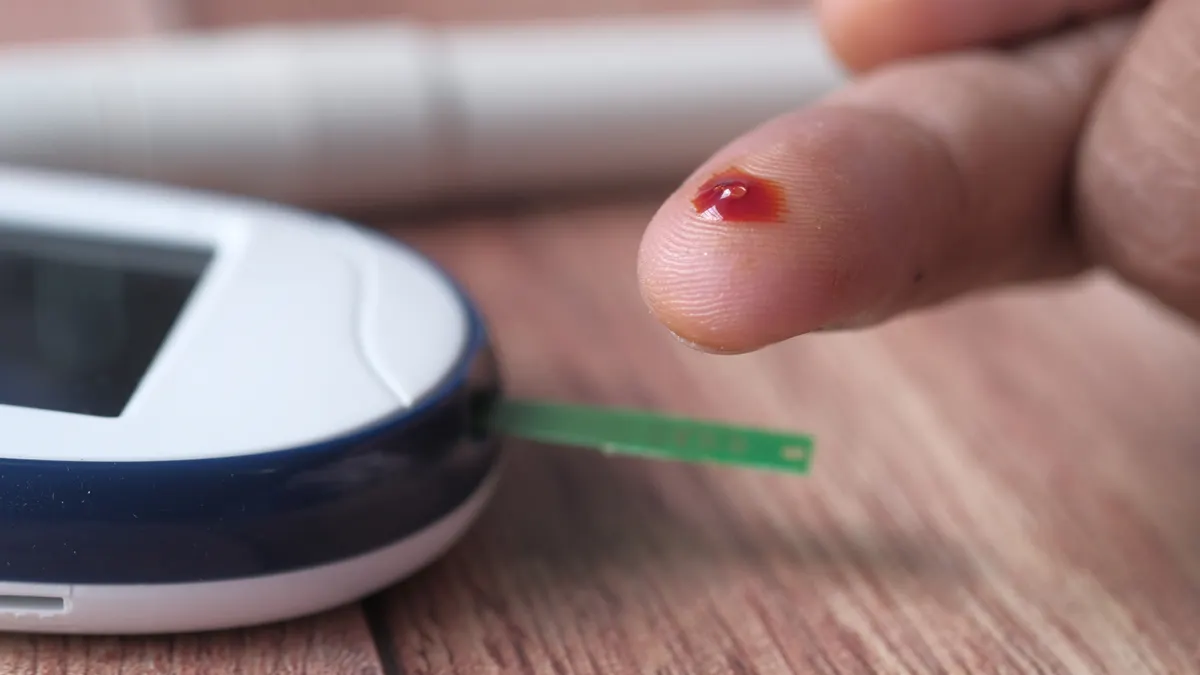
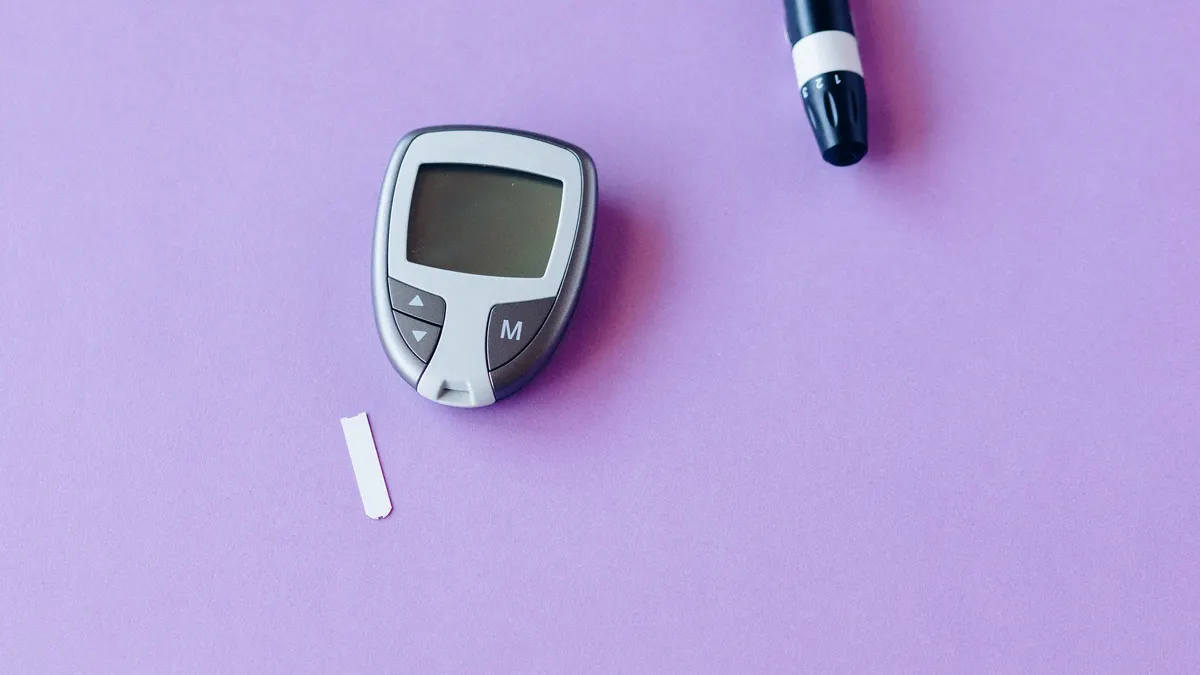
- Compare home readings only if your clinician asked you to monitor them. If you were told to check glucose, use the exact timing and method given to you, because random checks are easier to misread. Verification means values stay within the target range your clinician set. A problem sign is repeated elevations, especially if they cluster fasting or after meals. Home monitoring is most useful when a clinician has already told you what numbers matter. NHS
- Review postpartum weight, activity, and eating patterns as context, not as blame. Weight changes and reduced activity can influence glucose, but they do not tell the whole story. The main check is whether your metabolic markers improve over time. A problem sign is assuming lifestyle alone explains everything and skipping testing.
- Plan long-term screening, even if the first postpartum test is normal. Studies and professional guidelines suggest that a history of GDM raises the chance of later abnormal glucose, so normal postpartum results do not end the story. The main check is whether your clinician has a schedule for periodic screening. A problem sign is the belief that “it went away forever,” which can delay future diagnosis. Long-term screening is commonly recommended **every 1 to 3 years**. CDC
- Document the pregnancy history for future care. Make sure GDM is in your medical record for future pregnancies and primary care visits. The main check is whether that history is visible to the next clinician. A problem sign is a missing record, because it can lead to overlooked screening in later pregnancies. The history matters most in the next pregnancy and in routine primary care.
The central idea is simple: gestational diabetes often resolves after delivery, but resolution has to be checked, not assumed. Resolution has to be checked. If glucose remains abnormal, the condition has not truly gone away; it has changed form or revealed a longer-term tendency toward dysglycemia.
Critical Checkpoints: What to Verify Before Moving Forward
Before you decide the issue is over, I would want four things verified.
First, confirm the postpartum test was actually done and done at the right time. Too early is muddy. No test at all? That leaves you guessing. A normal postpartum result is reassuring, but it is not a lifetime clearance.
Second, check whether the result was normal, in the prediabetes range, or in the diabetes range. That distinction matters because each outcome implies a different follow-up schedule. A normal result means the pregnancy-related glucose problem likely resolved for now. A prediabetes result means insulin resistance may still be present. A diabetes result means the issue is no longer limited to pregnancy. For many people, that means asking a clinician what comes next rather than relying on one result alone. (Source: ADA)
Third, consider whether anything could distort the reading. Recent illness, steroid medicines, major sleep deprivation, and certain blood loss or anemia situations can complicate interpretation. I’m not saying these always invalidate testing; I’m saying they are worth flagging so the clinician can interpret the result correctly. Tiny detail, big difference.
Fourth, verify that you have a plan for future screening. Professional groups commonly recommend ongoing diabetes screening after GDM, because later risk stays elevated. I cannot give you a one-size-fits-all interval that fits every person, and I would not pretend that a single follow-up test settles the matter permanently. If you do not have a plan, ask for one. CDC
A practical checkpoint I use when thinking through this topic is: “Have I confirmed resolution, and do I know what will happen if it does not resolve?” If the answer to either part is no, the work is not finished.
Warning Signs: When to Stop and Get Help

Some situations need prompt medical review rather than routine follow-up.
Persistent high blood sugar after delivery: If postpartum testing shows abnormal glucose, that may mean diabetes or prediabetes rather than temporary GDM — arrange clinical follow-up.
Excessive thirst and urination: These can signal ongoing hyperglycemia, especially if they are new or worsening — contact a professional soon.
Blurred vision: Vision changes can happen when glucose is elevated — do not assume it is just exhaustion; get assessed.
Unexplained weight loss: Losing weight without trying can occur with uncontrolled diabetes — seek medical advice promptly.
Ketone symptoms or severe illness: Nausea, vomiting, abdominal pain, or deep rapid breathing can be dangerous in some diabetes-related states — seek urgent care.
Repeated low readings if you are on glucose-lowering medicine: If a clinician has you on medication postpartum and readings are dropping too far, that can be unsafe — contact the prescribing team right away.
If you are otherwise feeling well, this is still worth addressing. Diabetes after pregnancy can be quiet for a while, and that is part of why follow-up matters.
The Most Common Mistakes (and Their Real Consequences)
One common mistake is assuming that delivery automatically fixes everything. Yes, many cases of GDM improve after birth, but some do not. The consequence of that assumption is missed persistent diabetes or missed prediabetes. The better alternative is postpartum testing and long-term screening.
Another mistake is skipping the postpartum test because symptoms seem gone. GDM can resolve without obvious symptoms, so feeling fine does not prove glucose is normal. The consequence is false reassurance. The better alternative is to treat the test as the confirmation step, not the symptom check, and to consult a professional if follow-up is unclear. Mayo Clinic
A third mistake is confusing a normal fasting reading with overall normal glucose handling. Some people have a normal fasting value but still show abnormal results after a glucose load. The consequence is incomplete assessment. The better alternative is to use the test your clinician recommended, often an oral glucose tolerance assessment.
A fourth mistake is waiting until the next pregnancy to think about it. By then, the window for early risk reduction and monitoring may be missed. The consequence is repeated GDM or finding out late that diabetes had already developed. The better alternative is to keep the history on record and build screening into regular primary care.
A fifth mistake is treating weight, exercise, or food changes as a substitute for medical follow-up. Healthy habits matter, and research suggests they can support better metabolic health, but they do not erase the need for testing. The consequence is silent disease progression. The better alternative is to do both: lifestyle support and medical follow-up.
A sixth mistake is assuming breastfeeding alone settles glucose. Breastfeeding can influence metabolism, but it is not a guarantee that GDM has disappeared. The consequence is under-monitoring. The better alternative is to follow the postpartum plan your clinician gives you.
Edge Cases and Modified Approaches
Some situations need a different lens.
If you had insulin or other glucose-lowering medicine during pregnancy, postpartum follow-up matters even more. That history suggests the glucose elevation was significant, so the chance of persistent abnormality may be higher. The approach changes by making testing and review more urgent, not by waiting for symptoms.
If you already had prediabetes before pregnancy, the question is not simply whether gestational diabetes goes away. Pregnancy may have unmasked a deeper glucose problem. In that case, long-term monitoring is usually more important than a one-time postpartum check. A clinician can help separate a pregnancy-only issue from an underlying metabolic condition.
If you are breastfeeding, glucose patterns may differ from your non-breastfeeding baseline. That does not mean a result is uninterpretable, only that the clinician should look at the full picture. I would not use breastfeeding as a reason to skip screening.
If you had a difficult postpartum course—major blood loss, infection, surgery recovery, or a steroid course—the timing of follow-up may need to be individualized. Those factors can complicate both symptoms and lab interpretation. The correct modification is not self-diagnosis; it is clinician-guided timing.
If you are planning another pregnancy soon, the timeline becomes more pressing. A prior GDM history can affect early prenatal screening in the next pregnancy, so I would want that history clearly documented before conception, if possible.
What to Expect: Realistic Timeline and Outcomes
Most people want a clear yes-or-no answer. The reality is messier but still understandable. In many cases, gestational diabetes improves after birth because placental hormones fall and insulin sensitivity shifts back toward baseline. That is why people often hear that it “goes away.” The usual recovery is measured in weeks, not months, and the follow-up window is usually 4 to 12 weeks. (Source: ADA)
What that really means is this: the pregnancy-specific stressor is gone, but the underlying tendency may still be there. For some, postpartum testing is normal and the episode remains limited to pregnancy. For others, testing shows prediabetes or diabetes, which means the condition did not fully resolve or was unmasked by pregnancy.
A realistic timeline starts with postpartum testing, then continues with periodic screening over time. The first normal result is encouraging, but it is not the end of the story. Future risk stays elevated compared with someone who never had GDM, so the sensible expectation is ongoing monitoring rather than a permanent cure narrative. The long-term follow-up interval is often 1 to 3 years, depending on the result and risk factors. CDC
The outcome that matters most is not whether blood sugar looked better for a few weeks after delivery. It is whether postpartum testing confirmed resolution and whether future checks stay normal. That is the difference between “temporary pregnancy-related diabetes” and “an ongoing glucose disorder that pregnancy revealed.”
Cost and Price
Postpartum testing may be covered differently depending on your insurance, location, and whether the visit is billed as preventive care or follow-up care. A basic glucose test can be relatively low-cost, while a full 75-gram oral glucose tolerance test may cost more because it uses lab time and multiple blood draws. If you are paying out of pocket, ask the clinic for the cash price before the appointment and ask whether the test is done at the same visit as the postpartum check. Prices vary, so it helps to verify them in advance with the billing office or insurer. (Source: Healthcare Bluebook)
If I had to put it in one line, I would say this: gestational diabetes often goes away after pregnancy, but only testing can tell you whether it truly has, and future screening is part of the diagnosis, not an extra.
Drafted with AI; not yet reviewed by a person.