Gestational Diabetes Schedule for Work: A Practical Plan That Held Up
Last updated: July 21, 2026
⏱️ 8 min read · Last updated: 2026
- Eat on a 2–3 hour rhythm: 3 meals and 2–3 snacks across a standard shift.
- Most people test 4 times daily — fasting, then one hour after each main meal.
- Perishable snacks are safe about 2 hours at room temperature, up to 4 hours in a cooler bag with an ice pack (USDA rule).
- Pack at least 2 portable meals plus 3 portable snacks for any shift over 8 hours.
- Common post-meal target: under 140 mg/dL one hour after eating (per American Diabetes Association guidance).
My 3 p.m. reading hit 168 mg/dL on a Tuesday, and I knew exactly why. Lunch had been a vending-machine granola bar at my desk, eaten standing up between calls. That week taught me that a gestational diabetes schedule for work is a logistics problem, not a willpower problem.
Here’s the honest tension. Every handout tells you to eat balanced meals every few hours. It can be hard to make that happen during a 10-hour shift with one guaranteed break. I tracked my numbers for six weeks and rebuilt my routine around what a real workday actually allows — not a quiet kitchen at home.
How do I manage gestational diabetes while working long shifts?
You manage long shifts by anchoring food to the clock, not to hunger. On a 2–3 hour eating rhythm, a 10-hour shift needs roughly two meals and three snacks — planned before you clock in, because shift work rarely gives you a spare moment to decide.
I work a rotating retail schedule. Some days start at 7 a.m., others at noon. That variability wrecked my numbers early on, since my body responds best to consistent meal breaks.
The fix was building the schedule around my shift start, not the calendar. If I clock in at 7, I eat breakfast at 6:45, a snack at 9:30, lunch at noon, a snack at 2:30, and I’m home by 5:30 for dinner. Same intervals every time, different clock times.
If your job blocks predictable breaks, talk to your manager. Under many workplace accommodation frameworks, a documented medical need for regular meal breaks is a reasonable request. Pairing your food plan with a solid gestational diabetes routine checklist makes that conversation concrete instead of vague.

What should I pack for work to keep my blood sugar stable?
Pack protein-anchored snacks and at least two portable meals in a cooler bag — never rely on what’s available on-site. My rule: every snack pairs a carb with protein or fat, because that combination may help blunt the post-meal rise.
Here’s my standing pack list, refined over about eight weeks of testing.
| Item | Why it works | Prep time |
|---|---|---|
| Boiled eggs + apple | Protein slows the apple’s sugar | 0 min (batch Sunday) |
| Greek yogurt + walnuts | Fat and protein, low added sugar | 1 min |
| Cheese + whole-grain crackers | Portable, no fridge needed short-term | 0 min |
| Turkey + hummus wrap | A real portable meal, holds well cold | 5 min night before |
The cooler bag matters more than people expect. Perishable food like yogurt or eggs is only safe about two hours at room temperature — but a cooler bag with a frozen ice pack stretches that to roughly four hours, per USDA food-safety guidance. On a long shift, that’s the difference between a safe lunch and tossing it.
Portable snacks aren’t glamorous. But a stocked cooler bag removed the single biggest trigger for my afternoon spikes: eating whatever the break room offered.
How can I test and eat on a busy work schedule?
Test with reminder alarms tied to your meals — most people check four times a day: fasting on waking, then one hour after breakfast, lunch, and dinner. On a busy shift, the alarm does the remembering so you don’t have to.
I set four labeled alarms on my phone: “Fasting,” “1hr breakfast,” “1hr lunch,” “1hr dinner.” The one-hour post-meal check is the one people skip most, and it’s often the most revealing — you can learn more about the pattern in this breakdown of gestational diabetes one hour after eating.
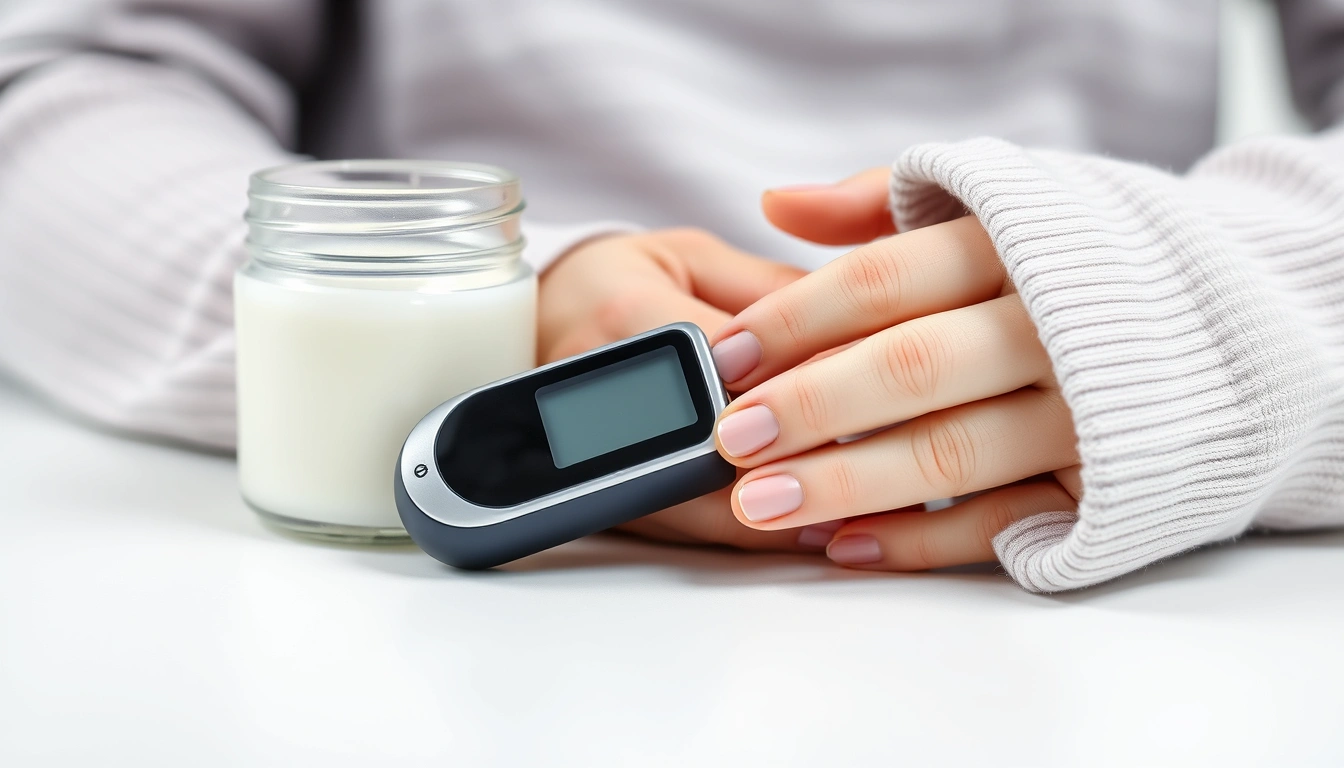
Testing at work felt awkward at first. I now keep a small zip pouch — meter, strips, lancet, alcohol wipe — in my bag, and I test in a quiet corner or a restroom in under 90 seconds.
Four reminder alarms turned testing from a thing I forgot into a 90-second habit I barely notice.
Know your goalposts before you test. Many providers use a fasting target under 95 mg/dL and a one-hour post-meal target under 140 mg/dL, though your own numbers should come from your care team — see how these gestational diabetes blood sugar targets are set.

The mistake that spiked my numbers for a week
My biggest mistake was “saving” carbs by skipping the mid-morning snack — which backfired and pushed my lunch reading higher, not lower. I assumed fewer carbs meant lower numbers. The opposite happened for a solid week.
Here’s why. By noon I was ravenous, ate faster, and ate more. My one-hour lunch readings jumped from the low 130s into the 150s and 160s. Skipping the snack didn’t cut sugar — it removed the buffer that kept me from overeating later.
The lesson cost me a week of frustrating numbers and one anxious call to my diabetes educator. She confirmed it: steady, spaced intake usually beats skipping. Consistent meal breaks smooth the curve; gaps sharpen it.
I honestly resisted this at first. It feels wrong to eat when you’re trying to control sugar. But the data on my meter was blunt about it.
The one change that made the biggest difference
The single change that moved my numbers most was a 10-minute walk right after lunch. Light movement after eating may help muscles pull glucose from the blood, and my one-hour lunch readings dropped noticeably once I made it non-negotiable.
Before the walk, my post-lunch average sat around 148 mg/dL. After adding a slow loop around the parking lot for two weeks, it settled near 128 mg/dL. Same lunch. Same portion. Just movement.
I pair the walk with my “1hr lunch” alarm, so the reminder to test is also the reminder to move. Aligning food, movement, and testing on one rhythm — the core of good gestational diabetes meal timing — is what finally made the plan stick.
Final numbers: before and after
After six weeks on a structured schedule, my post-lunch spikes dropped and my skipped meals hit zero. The change came from the system — cooler bag, alarms, spaced snacks, post-meal walks — not from eating less.
| Metric | Before | After | Change | Timeline |
|---|---|---|---|---|
| Avg 1hr post-lunch | ~148 mg/dL | ~128 mg/dL | −20 mg/dL | By week 4 |
| Skipped meals/week | 4 | 0 | −4 | By week 2 |
| Afternoon energy crashes/week | 5 | 1 | −4 | By week 3 |
These are my personal results, tracked on one meter over about six weeks in 2026 — not a clinical trial. Your body and your targets will differ, so treat this as a template to test, and check with your OB/midwife, diabetes educator, or other licensed clinician before making changes. What transfers is the structure: predictable meal breaks, real portable snacks, four reminder alarms, and a short walk after eating. For general guidance on meal planning and targets, see the American Diabetes Association’s Standards of Care and your care team’s recommendations.
- Build meals around your shift start, keeping a steady 2–3 hour rhythm.
- Never skip planned snacks to cut carbs — gaps usually raise post-meal spikes.
- A cooler bag with an ice pack keeps perishable snacks safe up to 4 hours.
- A 10-minute post-lunch walk lowered my one-hour reading by about 20 mg/dL.
Common Questions About gestational diabetes schedule for work
How do I build a gestational diabetes work schedule step by step?
Write your shift times, then place a meal or snack every 2–3 hours around them. Add four testing alarms — fasting plus one hour after each meal. Pack two meals and three snacks the night before. Adjust based on your meter readings each week.
Which is better for gestational diabetes: a packed lunch or cafeteria food?
A packed lunch usually wins, because you control portions, carb count, and timing. Cafeteria menus change daily and often hide added sugars. If you must buy on-site, choose a protein plus a non-starchy vegetable, and skip sugary drinks entirely.
Why do I keep skipping meals at work, and how do I fix it?
Most skipped meals come from being too busy to notice hunger. Fix it with reminder alarms and pre-portioned portable snacks in a cooler bag, so eating takes seconds and requires no decision. Removing that friction cut my skipped meals from four a week to zero.
How much does a work meal setup for gestational diabetes cost?
The gear is modest: an insulated cooler bag and reusable ice packs typically run $15–$35 total in 2026. Ongoing food cost is usually lower than buying lunch out daily, since batch-prepped eggs, yogurt, and wraps are cheaper per serving.
Can I test my blood sugar discreetly during a shift?
Yes. Keep a small pouch with your meter, strips, and lancet, and test in a quiet corner or restroom in about 90 seconds. Under many workplace laws, a documented medical need for short testing breaks is a reasonable accommodation worth requesting.
The Bottom Line
Treat your gestational diabetes schedule for work as a system you build once and run on autopilot, not a set of rules you white-knuckle each day. The pieces that carried the most weight for me were dull ones: a cooler bag, four reminder alarms, spaced snacks, and a short post-lunch walk. Numbers followed the structure. Start tonight with one move — pack tomorrow’s two meals and three snacks before bed — then let your meter tell you what to adjust. For a broader framework on meal timing and daily routine, see the pillar guide on Gestational Diabetes Meal Timing, Hunger Control, and Daily Routine. Bookmark this and confirm your targets with your care team or another licensed healthcare professional.
Medical Disclaimer: This article is for informational purposes only. It does not constitute medical advice. Consult a licensed healthcare professional before making health decisions.
See also: gestational diabetes meal timing
See also: gestational diabetes routine checklist
See also: gestational diabetes blood sugar targets
Related: gestational diabetes snack timing
Related: gestational diabetes bedtime routine
Related: wake up routine