Last updated: August 09, 2026
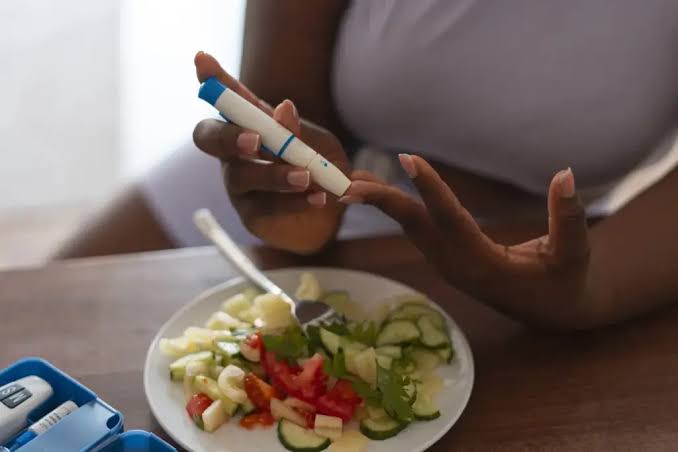
**Quick Answer:** Monitoring gestational diabetes? Continuous Glucose Monitors (CGMs) provide real-time insights but may cost over $1,000 annually. Blood glucose meters, around $20, are affordable but need manual testing.

**Key Facts / Key Takeaways:**
-
CGMs offer real-time monitoring; expenses can exceed $1,000/year.
-
Blood glucose meters cost as low as $20; involve regular finger pricks.
-
Smart insulin pens improve dosing accuracy through digital tracking.
-
Mobile apps offer comprehensive management, often free or low-cost.
-
Insurance coverage varies widely for advanced technologies.
Choosing the right gestational diabetes monitoring tool is essential for effectively managing blood glucose levels. Picking the right tool can make the task of keeping glucose in check much smoother. This guide examines your options, outlining benefits and potential downsides. Consulting a healthcare professional ensures you make decisions aligned with your personal health requirements.
What are Continuous Glucose Monitors and Are They Ideal for Real-Time Monitoring?
With Continuous Glucose Monitors (CGMs), users get a powerful tool for real-time data collection. These devices continuously provide insights into blood glucose levels, which is especially beneficial for those managing gestational diabetes.
One major plus of using CGMs is the ability to monitor constantly without needing frequent finger sticks. Alarms for high or low blood sugar levels help maintain stable glucose, vital for both mother and baby.
Weaknesses: Still, CGMs can be pricey, with annual costs potentially exceeding $1,000, and not all insurance plans will cover them. They also demand calibration and might fail to give accurate readings if not used correctly. Some may find wearing the sensor uncomfortable too.
Ideal User: Best for those who need detailed, real-time glucose data and are at ease with wearables. It’s especially beneficial for those who struggle to maintain target glucose levels constantly.
Why Choose a Blood Glucose Meter Over Other Devices?
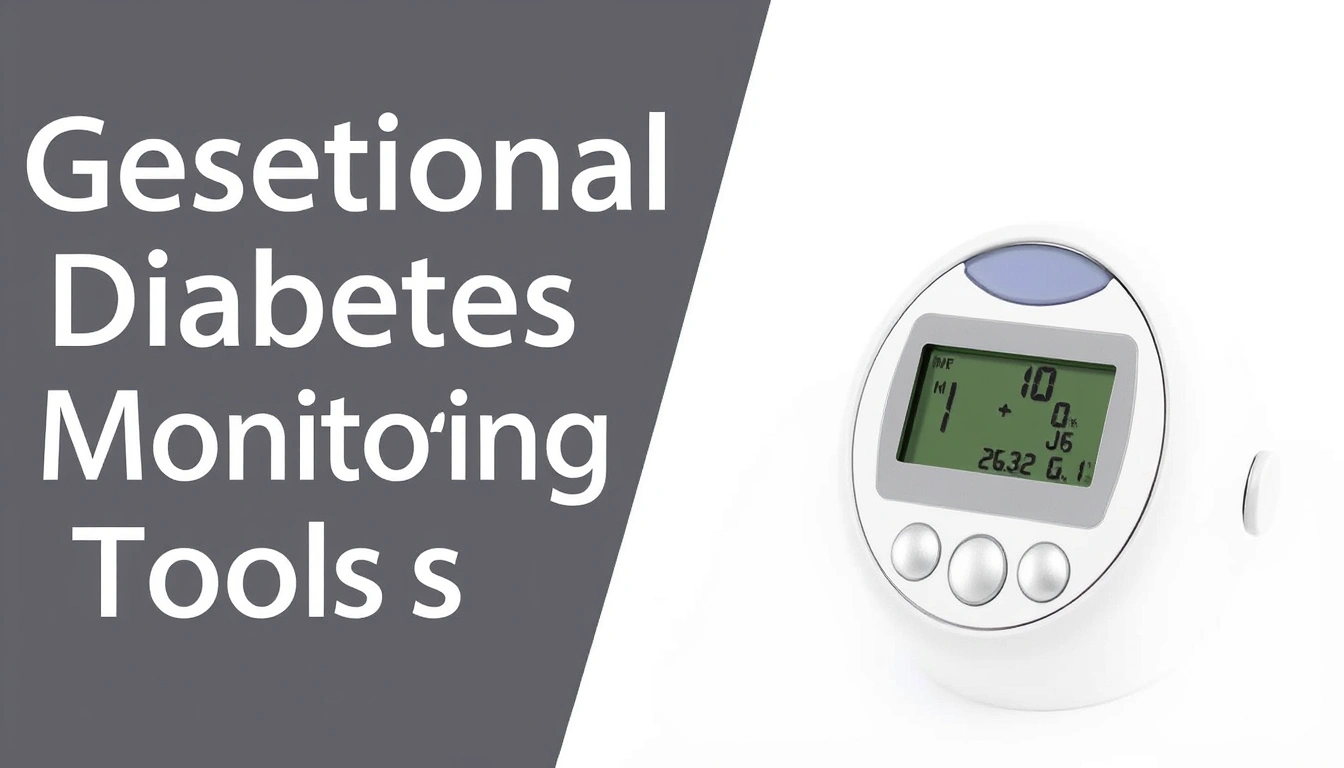
For a traditional and reliable option, blood glucose meters are a solid choice, delivering quick results with ease.
Strengths: These meters are budget-friendly, starting at just $20, and have a proven track record for reliability. They’re user-friendly for home use and generally covered by most insurance plans.
However, regular finger pricks can be uncomfortable, a notable downside. Plus, they only provide one-time snapshots of the blood sugar level, not continuous monitoring.
Ideal User: Those who prefer a tried-and-tested method, or are looking for a cost-effective solution, will find these ideal. Perfect for individuals disciplined about regular testing but not needing constant data flow.
Are Smart Insulin Pens Worth the Investment?
Smart insulin pens bring innovation to diabetes management by tracking doses to ensure more accurate administration.
Strengths: Offering digital tracking, these pens enhance dosing accuracy and adherence. They often integrate with smartphone apps, providing useful reminders and insights.
Despite their perks, they can be costly and not all insulins are compatible with these smart pens. Users also face a learning curve to fully utilize them effectively.
They are perfect for tech-savvy individuals needing help managing insulin doses and appreciating digital tracking features.
What Apps are Available for Managing Gestational Diabetes?
Mobile applications designed for gestational diabetes management offer digital support. They include educational resources, meal planning tools, and tracking capabilities for blood sugar levels and other health metrics.
Often low-cost or free, these apps compile a suite of tools in one place—helpful for tracking progress and staying informed on the condition.
Weaknesses: Incorrect data entry may result in misleading insights. Also, owning a smartphone is a requirement, which isn’t suitable for everybody.
Apps suit people comfortable with technology who want to manage various aspects of gestational diabetes in one digital hub.
What are the Alternatives and Comparisons?
When comparing alternatives, personal needs, budget, and insurance coverage come into play. For example, blood glucose meters offer affordable convenience but lack ongoing monitoring; CGMs, meanwhile, provide detailed data but are less comfortable and more expensive. Smart insulin pens and apps bring advanced technological solutions, requiring a larger budget and technological know-how.
Our Verdict: Which One to Choose and Why
Opt for a Continuous Glucose Monitor if real-time glucose data is indispensable and you’re comfortable with wearables. A Blood Glucose Meter fits if you’re budget-conscious and need a simple, reliable tool. Choose Smart Insulin Pens for precise insulin management if you’re tech-savvy, and employ Mobile Apps for extensive digital aid if you favor technology. For those with financial limitations, sticking with the traditional blood glucose meter is a wise choice.
Speaking with a healthcare professional about your unique needs and circumstances is always advisable.