Last updated: October 12, 2026
- Gestational diabetes care usually unfolds in layers.
- Home glucose monitoring sits at the center of the whole plan.
- More frequent contact makes sense for people whose readings are not yet predictable, whose pregnancy has other risk factors, or whose care team is still figuring out the right plan.
- Simpler monitoring wins when the pregnancy is stable enough that you do not need a lot of extra moving parts.
Quick Answer
A typical gestational diabetes appointment schedule and monitoring plan begins with diagnosis setup, then moves into daily home blood sugar checks, along with regular follow-up that is often weekly at first and more fetal monitoring later in pregnancy if needed. Talk with a qualified clinician about your situation, because the exact visit pattern depends on how far along you are, how your numbers look, and whether medicine is part of the plan.
Key facts
- Home monitoring is usually the core of the plan, because it shows whether the treatment is working.
- Many care plans begin with an early education visit and then use weekly or other regular review.
- A stable glucose log can reduce the need for frequent changes, but it does not replace prenatal care.
- Later pregnancy may include growth scans or other surveillance if blood sugar control is harder.
- The gestational diabetes appointment schedule monitoring plan should change when the data change.
I write on pregnancy and maternal health topics, and one question keeps coming up: What appointments and monitoring should I expect, and what is the point of each one? Here’s the short version. This gestational diabetes appointment schedule monitoring plan is built around risk, not a neat little calendar.
What the Appointment Schedule Usually Looks Like
Gestational diabetes care usually unfolds in layers. First comes an initial visit soon after diagnosis. Then the routine shifts to blood sugar review, standard prenatal care, and, later on, extra monitoring if your readings or other risk factors call for it. The American Diabetes Association advises regular glucose monitoring and individualized care plans for pregnancy diabetes care. (Source: ADA Standards of Care)
Setup is the first job. A clinician or diabetes educator typically goes over how to check blood glucose, when to check it, what patterns matter, and which symptoms should trigger a call. Many people also get a nutrition visit, since meal timing and carbohydrate choices are part of the plan for many patients, though the details vary by practice and individual needs.
After that, the usual rhythm is frequent self-monitoring at home with periodic check-ins. Those check-ins may happen by phone, portal message, telehealth, or in person. Some practices want weekly review at first, then spread things out if readings stay in range; others use a different cadence. The calendar is not the point. The numbers are. The ACOG patient guidance on gestational diabetes also emphasizes ongoing monitoring and follow-up.
As pregnancy progresses, many patients also have extra fetal surveillance, such as growth ultrasounds or other monitoring, especially if blood sugar has been hard to control or if medicine is part of the plan. That does not happen the same way for everyone, and some people need much less than others. When surveillance is added, the plan is usually tied to a specific risk factor, not to the diagnosis alone. Honestly, that extra step can feel like a lot.
The biggest mistake I see in generic articles is pretending there is one universal gestational diabetes schedule. There isn’t. The schedule is shaped by three things: how controlled your blood sugar is, whether you’re using lifestyle changes alone or also medication, and whether anything else in the pregnancy changes the risk picture. In practice, the gestational diabetes appointment schedule monitoring plan has to stay flexible.
Your Monitoring Plan at Home: The Part That Drives Everything
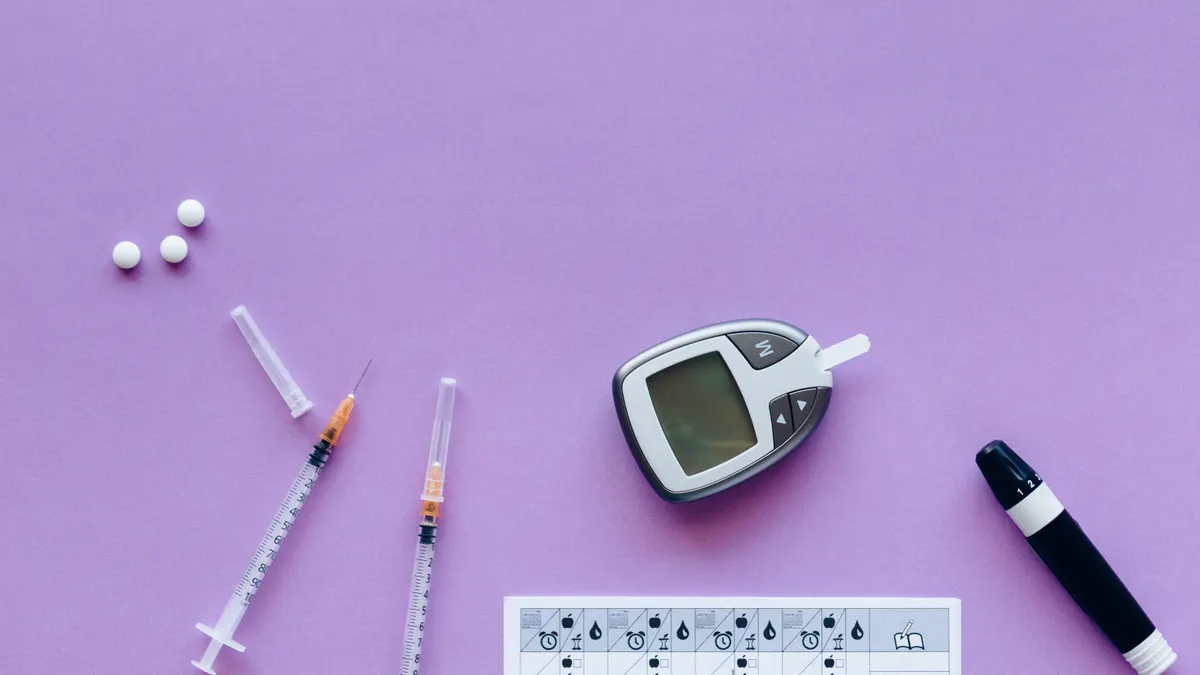
Home glucose monitoring sits at the center of the whole plan. In practice, it tells your team whether the rest of the appointments are enough or whether the plan needs to change. The National Institute of Diabetes and Digestive and Kidney Diseases explains that monitoring blood glucose is a standard part of gestational diabetes care. NIDDK gestational diabetes
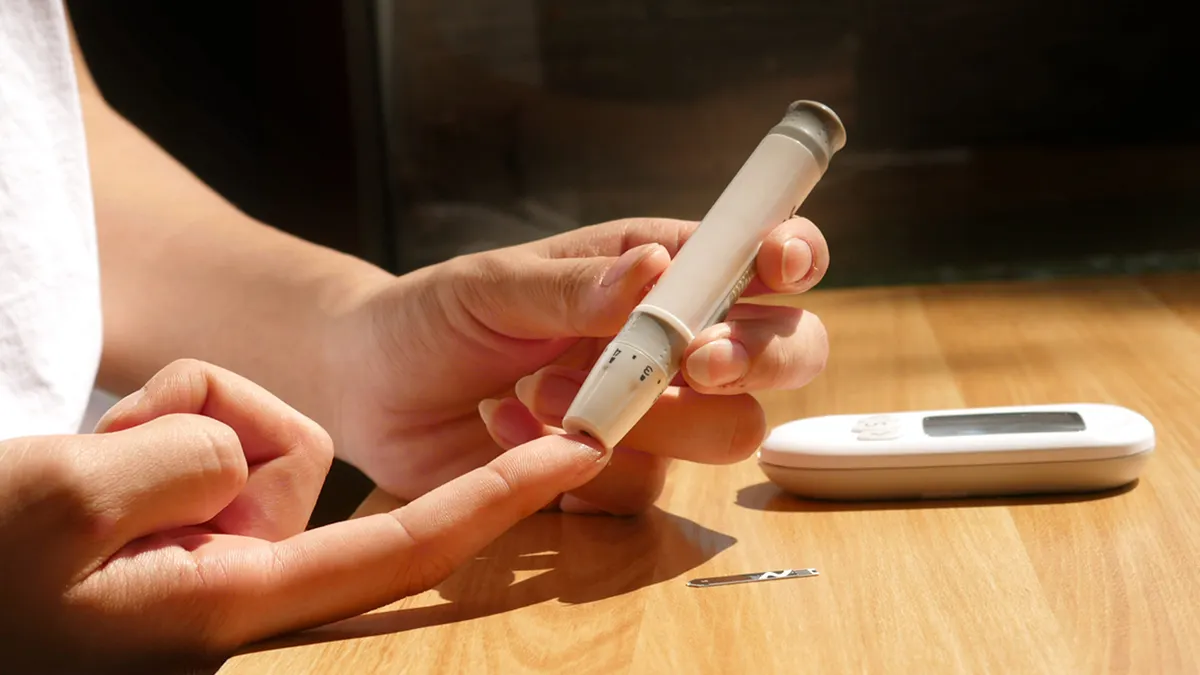
Most care plans ask for regular finger-stick checks at set times of day, often around meals. I’m not going to give a dosing-style recipe here, because your clinician should set the timing and frequency for you, but the idea is always the same: capture fasting and after-meal patterns well enough to see trends. One isolated high number matters less than a repeating pattern. Many clinics ask for several checks per day, often four or more, so trends are visible over a week.
Consistency is what makes home monitoring useful. If your log has gaps, random timing, or unclear notes about food and activity, review gets harder and the next decision gets blurrier. A clean log helps your clinician see whether a high reading followed a big meal, a skipped meal, poor sleep, or just happened despite your usual routine. A log with dates and times is easier to use than memory alone.
A practical plan often includes:
- a glucose meter that you know how to use correctly
- test strips stored as directed
- a notebook, app, or portal log
- a clear method for noting meals, symptoms, and unusual events
- a plan for what to do if you miss a check
What home monitoring cannot tell you is the whole story by itself. A reading may look “fine,” yet you may still feel unwell, or you may have a few borderline values that reveal a pattern only after several days. That is where the appointment schedule matters. Appointments turn raw numbers into a decision, and they help your clinician decide whether the gestational diabetes appointment schedule monitoring plan needs to change.
The honest downside is that monitoring can get mentally heavy. It can feel repetitive, and meals can start to seem like homework. Not fun. The payoff is not abstract reassurance; it is the chance to spot a problem while it is still manageable and discuss it with a professional before it becomes a larger issue. If the burden starts to feel unmanageable, tell your care team.
The Real Difference Between Early Follow-Up and Later Pregnancy Surveillance
Early follow-up is about control. Later surveillance is about safety.
Usually, the early appointments focus on whether your blood sugar pattern is settling into a predictable range. This is when your team may review food timing, activity, stress, nausea, and log quality. Should your readings not be where they need to be, this is also when the plan may change. That can mean more frequent review, a referral, or a conversation about medication options with your clinician. I am not prescribing anything here; I’m describing the usual decision tree. Should your team be doing both, that is often a sign they are treating the condition as dynamic, not fixed, and you should ask questions if the purpose is unclear.
Later pregnancy surveillance works differently. Once you’re farther along, the question shifts from “Are the numbers improving?” to “Is the pregnancy still looking low-risk enough on the current plan?” That may include ultrasound checks for fetal growth or other monitoring depending on your history and local practice. The reason is simple: gestational diabetes is not just about a glucose log. It is about how the pregnancy is progressing as a whole.
Have only mild elevations and your numbers settle quickly, the schedule may stay fairly lean. If your blood sugar is harder to control, the follow-up becomes tighter. That is not punishment; it is just risk management. In many practices, the difference shows up in the number of check-ins per week and whether extra scans are added.
The Honest Side-by-Side
| Criteria | Early Follow-Up | Later Pregnancy Surveillance | Winner for this condition |
|---|---|---|---|
| Main purpose | Review blood sugar patterns and adjust the plan | Check pregnancy well-being as delivery approaches | Depends on timing |
| Best use case | New diagnosis or unstable readings | Ongoing gestational diabetes with added risk factors | Early follow-up for new diagnosis |
| What gets reviewed | Glucose log, meals, symptoms, routine | Growth, fetal status, overall pregnancy risk | Early follow-up for day-to-day management |
| How often it happens | Usually more frequent at first | Usually becomes more structured later on if needed | Early follow-up for frequency |
| Emotional load | High because everything is new | High because delivery planning is near | Neither |
| What a generic guide misses | How much setup is involved | How pregnancy surveillance changes the agenda | Depends on reader need |
| Risk of delay | Patterns can worsen if you wait too long to report them | Missed surveillance can hide a late change in pregnancy status | Early follow-up for faster correction |
| Most common weakness | Can feel repetitive if readings are stable | Can create anxiety if tests are added without explanation | Neither |
My take is that people do best when they understand the shift in purpose. Early visits are about learning the system. Later visits are about checking whether the pregnancy still looks steady. If your team is doing both, consult a professional about what the results mean for you, and use a trusted source such as the ACOG gestational diabetes FAQ or the CDC gestational diabetes page to understand the basics.
The Appointment Schedule: Who Needs More Contact and Who May Need Less
More frequent contact makes sense for people whose readings are not yet predictable, whose pregnancy has other risk factors, or whose care team is still figuring out the right plan. Less frequent contact can work when the numbers are steady, the patient understands the monitoring routine, and there are no extra complications pushing the risk higher.
Still, “less frequent” does not mean “ignore it.” It means the team may not need to re-litigate the same questions every few days if the home log is clean and the pregnancy is staying on track.
People who often need closer follow-up include those with:
- repeated high fasting or post-meal readings
- trouble keeping a reliable home log
- symptoms that raise concern for poor glucose control
- a pregnancy complicated by other issues that add risk
- a plan that includes medication, if the clinician feels it warrants closer review
People who may need less intense follow-up include those whose readings stabilize quickly with routine changes and who can clearly track their numbers and meals. Even then, the plan is still individualized.
The downside of more frequent visits is obvious: it takes time, energy, and emotional bandwidth. The upside is obvious too: the team can respond before a problem sits unchecked for weeks. I would choose tighter follow-up when there is uncertainty, because uncertainty is exactly when gaps turn into missed patterns. That is the reason the schedule should be adjusted sooner rather than later if the numbers stop matching the plan.
A generic article often gets this wrong by implying that appointment frequency is a fixed rule. It is not. It is a response to what the body and the pregnancy are doing right now. That is why the best schedule is usually the one that can change when the data change.
The Specific Situations Where Simpler Monitoring Wins
Simpler monitoring wins when the pregnancy is stable enough that you do not need a lot of extra moving parts. Should home blood sugar readings be settling, you understand the routine, and your clinician is not concerned about new symptoms, a simpler schedule can be both safe and easier to live with.
This is the path I would favor for a person who is:
- newly diagnosed but quickly learning the home routine
- seeing a clear pattern of stable readings
- not dealing with extra pregnancy complications that change the plan
- able to communicate with the care team if something shifts
The strength of a simpler plan is that it lowers burnout. Gestational diabetes management already asks a lot: attention, repetition, and ongoing self-checking. Should every appointment feel urgent, the process can become emotionally unsustainable. A calmer schedule can help people stick with the plan long enough for it to work. The NHS guidance on gestational diabetes also stresses regular follow-up rather than constant escalation.
The weakness is that simpler does not mean passive. If you start skipping checks, guessing at numbers, or waiting too long to mention a change, a lighter schedule can become a blind spot. That is the cost. It saves effort only if the home monitoring stays honest and consistent.
I would not choose a minimal schedule for someone whose numbers are bouncing around or whose pregnancy is already drawing concern. In those cases, “simple” is just another word for delayed response. Should you be unsure which category you fit into, ask your clinician to explain the tradeoff in plain language.
Our Verdict: Which One to Choose and Why
Choose closer, more frequent monitoring if your blood sugar readings are still changing, your team is adjusting the plan, or you have any added pregnancy risk that makes tighter follow-up sensible. Choose simpler monitoring with regular check-ins if your readings are stable, you can track them reliably, and your clinician agrees that the pregnancy is low-risk enough for a lighter rhythm. Do neither if you are trying to self-manage without medical guidance, because gestational diabetes care should be planned with a qualified professional.
That is my clear recommendation because the schedule should match uncertainty, not habit. The more uncertain the pattern, the more value there is in fast feedback. Should your clinic give you a target range, use that range as the anchor for the plan.
When to Reconsider This Choice Entirely
There are a few cases where the plan should shift instead of just being fine-tuned.
-
Your readings stop fitting the current pattern. Should home numbers drift upward or become inconsistent, the old schedule is no longer enough. The plan needs a review.
-
You cannot keep up with the monitoring routine. Should finger sticks, logging, or appointments be slipping, the issue is not discipline; it is that the current plan may be too hard to sustain. A different setup may work better.
-
New pregnancy concerns show up. Bleeding, reduced fetal movement, preeclampsia concerns, or anything else your clinician flags as urgent changes the conversation immediately.
-
The emotional burden is getting too heavy. Should the process be causing panic, shutdown, or constant distress, that matters. A care team can often simplify the mechanics or clarify priorities.
The honest trade-off here is that more monitoring can feel safer, but too much monitoring can also wear a person down. Too little monitoring can miss a change. The right plan sits in the middle: enough structure to catch trouble, not so much that the pregnancy becomes a full-time data job. A good gestational diabetes appointment schedule monitoring plan usually aims for that middle ground.
Should you remember one thing, remember this: the best gestational diabetes appointment schedule is the one that follows your actual numbers, not a generic calendar.
Drafted with AI; not yet reviewed by a person.