Last updated: November 19, 2026
Key Takeaways
- Use a fixed trigger, a 1-minute note, and a backup reminder for every check.
- Keep one portable kit ready for a single check and one common backup.
- Separate testing from explaining yourself to protect privacy.
- Mark missed checks as missed, not guessed, and address them promptly.
A work or school glucose log routine means checking your blood glucose on schedule, writing it down right away, and keeping the record private enough that you do not miss a check because the day got busy. If you are using Gestational Diabetes Glucose Logs for Work or School, follow your pregnancy care team’s plan and ask a qualified professional about any situation that changes your routine.
The practical problem is not “how do I monitor?” so much as “how do I keep the log going when I am in class, in meetings, on a shift, or stuck in traffic?” The answer is to build a routine around your work schedule, not around perfect conditions.
The research base is active but uneven: 1,196 PubMed records match this subject for 2016–2026; the 100 most relevant were read and every median, range and share below is computed across those records. Eight trials are registered on ClinicalTrials.gov for this term; the first 8 were read and every share, median and range below is computed across them. The point is not that the evidence is settled; it is that the topic is studied enough to support careful routines, not casual guesswork.
Who this is for, and what it assumes
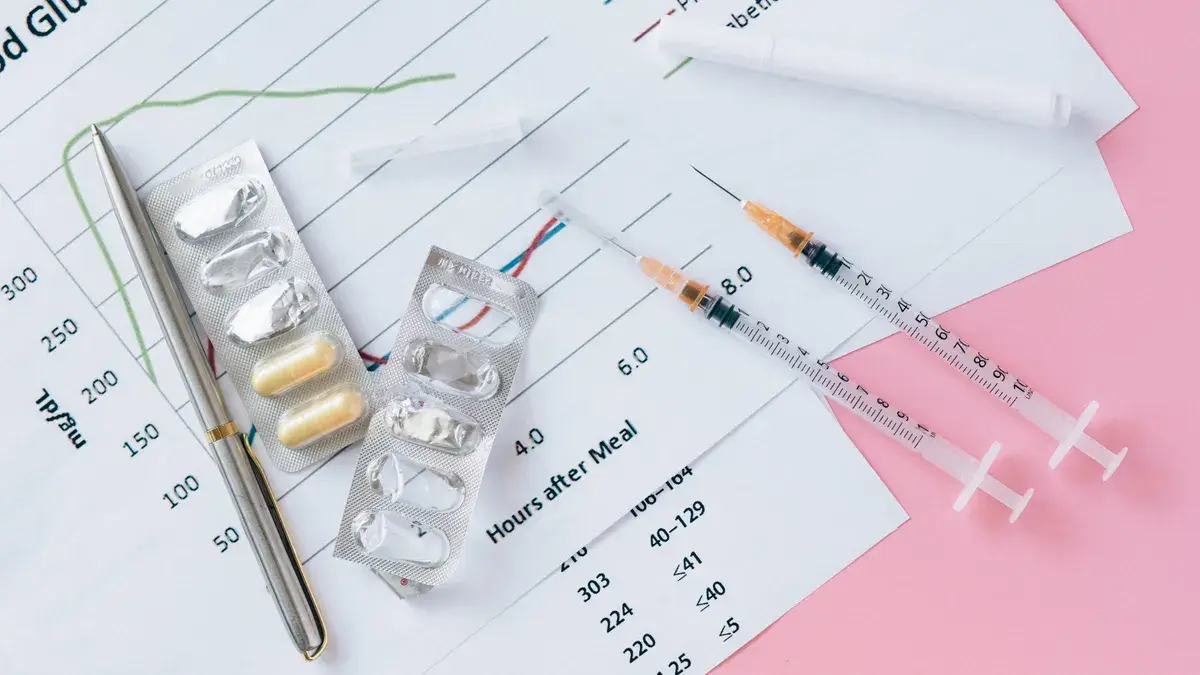
This is for pregnant people with gestational diabetes who need to keep a glucose log while working, commuting, or attending school, and who already know their testing times, target ranges, and how to use their blood glucose meter. It assumes you have a meter, strips, lancets, a way to record results, and some control over your day, even if that control is limited to a 10-minute lunch break or a short bathroom break.
It is not for someone trying to invent a testing plan from scratch, adjust targets on their own, or decide whether they should stop testing because the day is too busy. Those are medical questions. A qualified professional should handle situations such as new symptoms, repeated out-of-range values, trouble getting enough blood, or a schedule that makes the current plan impossible to follow.
A useful work or school routine has one job: it keeps the checks from disappearing into the cracks of the day. That means the log needs to be simple enough to use at a desk, in a break room, in a nurse’s office, or in a parked car, and private enough that you can actually keep it up.
How do I keep track of numbers during a workday?
You keep track by pairing each check with a fixed trigger, a 1-minute note, and a backup reminder. The routine is less about memory and more about making the same action happen at the same point in the day.
-
Pick the exact check points on paper or in your phone. Write the planned times next to the day’s work schedule or class schedule, such as “before breakfast,” “1 hour after lunch,” or whatever your care plan uses. Verify that the times fit around your actual breaks, not around ideal ones. A problem is any check that depends on “I’ll remember later.”
-
Set an alarm reminder for each check. Use one labeled alarm per check, not one general alarm for the whole day. Set it 5 to 10 minutes before the planned time if you need transition time to find supplies or step away from a meeting. Verify that the alarm is distinct from your other notifications. A problem is an alarm you swipe away without acting on.
-
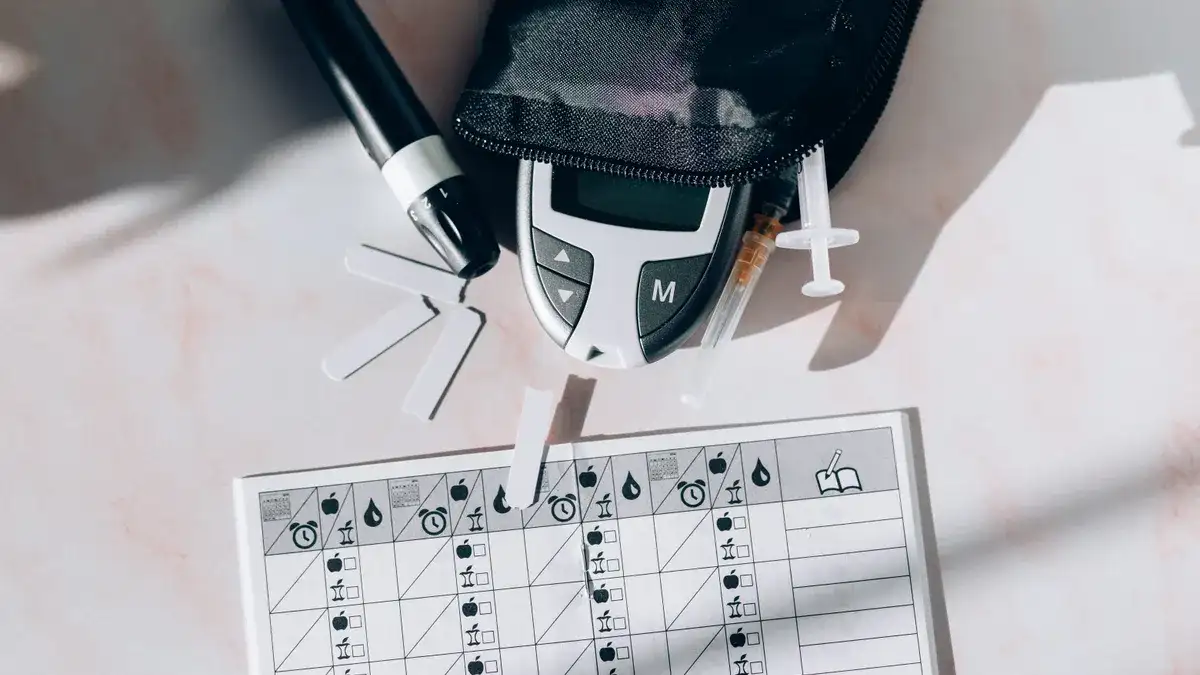
Keep portable supplies in one small kit. Put the meter, strips, lancet device, spare lancets, alcohol wipes if you use them, a tissue, and a pen in a pouch that fits in a bag or drawer. Verify the strips are stored as directed by the manufacturer and not left in a hot car or backpack pocket all day. A problem is missing supplies at the exact minute you need them.
-
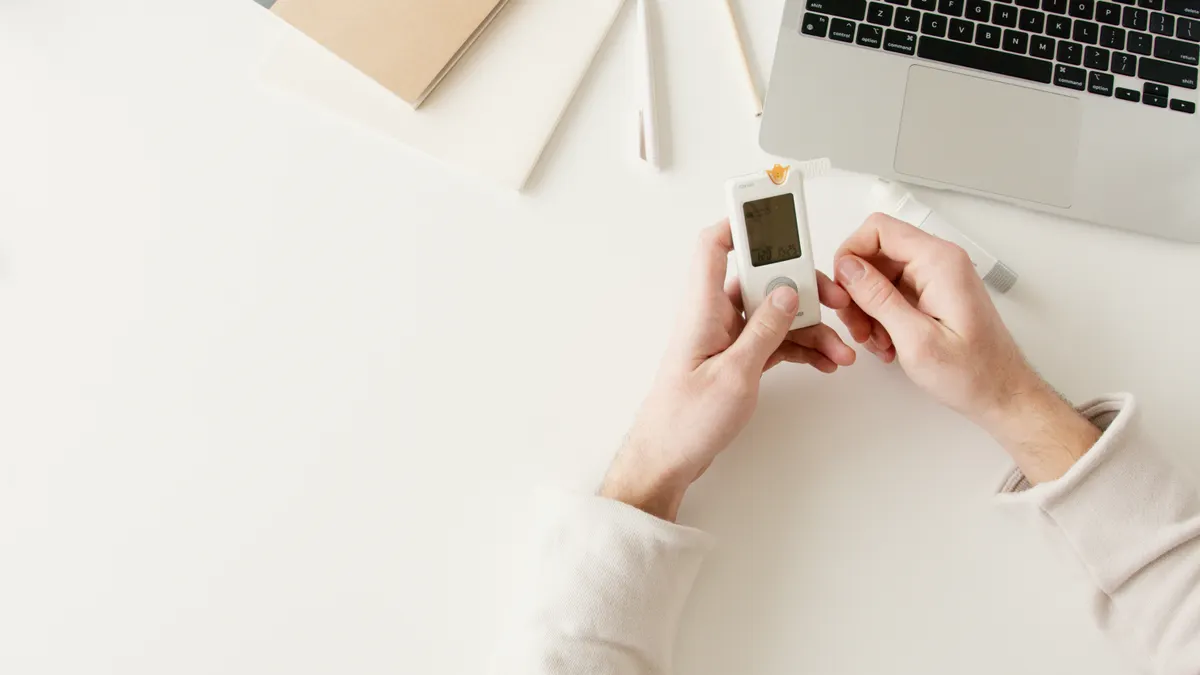
Measure first, then log immediately. Check your blood glucose with the meter, then enter the number before you put the meter away. Use a notes app, paper log, or the log format your team prefers. Verify that the time and result are attached to the same entry. A problem is “I’ll write it down later,” because later often means never.
-
Add one context note if something was unusual. Record only the small details that matter, such as “late lunch,” “walked after eating,” “class ran long,” or “missed commute delay.” Do not turn the log into a diary. Verify that the note helps explain the number without making the record hard to scan. A problem is pages of vague comments that hide the result.
-
Protect the reading from accidental exposure. If privacy matters, use a notes app with a passcode, a folded paper card kept in a wallet, or a work bag pocket that is not shared. Verify that no one else can easily see your results on a desk or screen. A problem is losing privacy in a shared office, classroom, or break room.
-
Do a second reminder if your day changes. If a meeting runs long, a lab section changes, or your shift is moved, reset the next alarm reminder right away. Verify that the new time still matches your care plan. A problem is assuming the original alarm still works when the schedule has already shifted.
-
Review the log once a day, not at random. Spend 2 to 3 minutes at a stable time, such as after dinner, checking whether every planned test was completed. Verify that missed entries are obvious. A problem is discovering gaps only when your appointment is already on the calendar.
For many readers, the cleanest tool is a notes app with a timestamp and a simple template: time, reading, and one short note. For others, paper works better because it is faster and less distracting. The most useful format is the one you will actually use in a classroom, cubicle, locker room, or hospital unit without hesitation.
What should be in a portable glucose log kit?
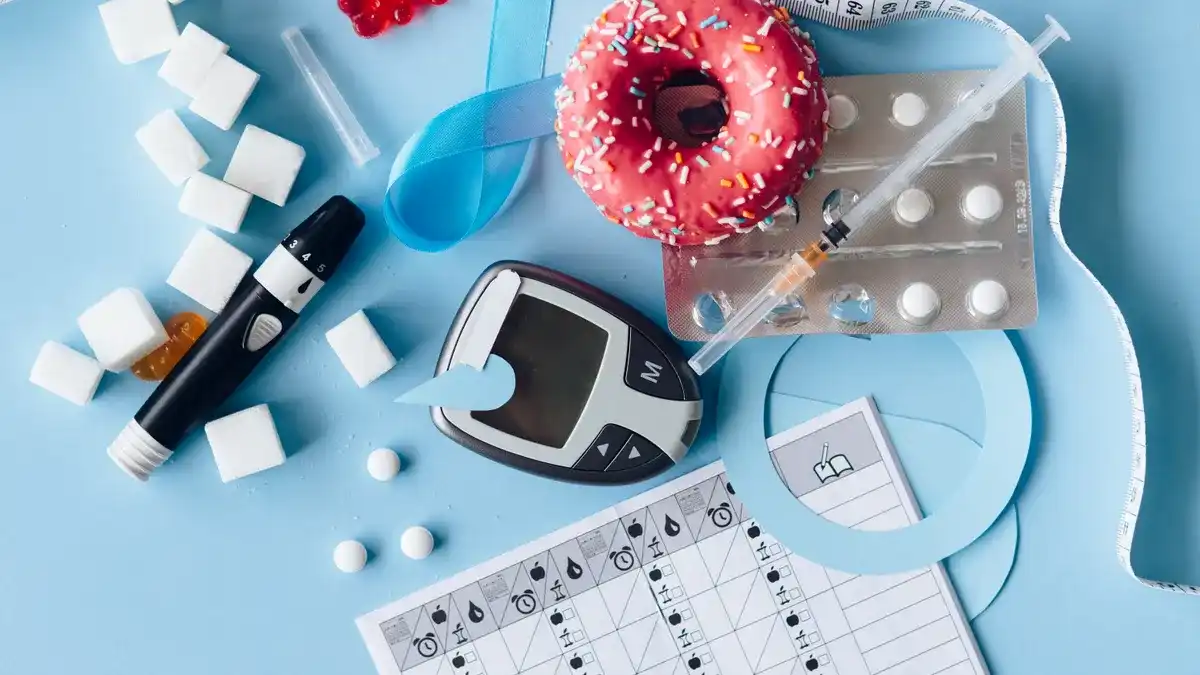
A portable kit should hold everything needed for one check in less than a minute, plus one backup for the most common failure. The goal is not to carry a full pantry of supplies; it is to keep a workday check from being skipped because one item was left at home.
Start with the blood glucose meter, strips, lancet device, spare lancets, and a way to dispose of the used lancet safely. If your meter needs coded strips or a specific strip vial, keep those together. Add your log method: a paper card, a pocket notebook, or a notes app on your phone. If your workplace or school has strict bag rules, use the smallest pouch that can still hold the essentials.
A good kit also needs two backups: one backup strip container or refill at home, and one alternate place to record if the phone battery dies. A dead battery is not a medical emergency, but it can wipe out a day’s entries. A thin paper card in the kit solves that.
Temperature and storage matter. Do not leave supplies in a car, near a window, or in a locker that gets very hot or cold if the manufacturer warns against it. If you are commuting, the kit should ride with you, not in a place you cannot reach until the end of the day. That matters on a 45-minute commute as much as it does on a 5-minute one.
If your school or workplace has a nurse’s office, wellness room, or private restroom space, learn the location before you need it. That is not a substitute for your own kit. It is the backup that keeps one missed test from becoming a missed day.
How do I handle privacy at work or school?
You handle privacy by separating the act of checking from the act of explaining yourself. The fewer people who have to know the details, the easier it is to keep the routine stable.
Keep the meter and log in something that does not announce itself. A plain pouch, pencil case, or small organizer is less visible than a medical bag with labels. If you use a phone, lock the screen and place the log in a folder that is not on the home screen. If you write on paper, keep the page folded or clipped inside a notebook instead of left open on a table.
Plan where the check will happen before the day starts. A private bathroom stall can work for some people, but it is not always the easiest option for hand hygiene or setup, and some people prefer a quiet break room, a nurse’s office, or their parked car. The point is not the location itself; it is having a place where you can test without feeling rushed. On a 30-minute break, that matters.
If you need to explain why you are stepping away, keep the language short. “I need a medical check” is usually enough. You do not owe coworkers or classmates a full explanation of gestational diabetes. If a supervisor or teacher needs documentation, that should go through the normal accommodation process, not through casual conversation.
A privacy problem is not just embarrassment. It can lead to skipped checks, rushed entries, or inaccurate logs because you are trying to finish before someone walks in. If your environment makes the routine consistently hard, that is a real barrier worth raising with a qualified professional or school/work support contact.
For related guidance, see the CDC overview on gestational diabetes: https://www.cdc.gov/diabetes/basics/gestational.html and the ADA Standards of Care: https://diabetesjournals.org/care/issue.
What if I miss a scheduled blood sugar check?
A missed check should be handled as soon as you notice it, then marked as missed rather than guessed. Do not invent a number to make the log look complete.
If the missed time is only by a short margin and your care plan allows that much flexibility, check as soon as you can and record the actual time. If the timing matters for interpretation, note that it was late. That distinction can matter as much as the reading itself. A reading taken 20 minutes late is not the same thing as one taken on time.
If you cannot check because you are in class, in a meeting, on a bus, or between stations at work, use your next natural break and write “missed” or “delayed” in the log. That note is more useful than an empty space because it tells your care team the issue is scheduling, not forgetfulness.
If missed checks happen more than once in a week, the routine itself needs adjustment. That may mean moving the alarm reminder earlier, changing where the supplies are stored, or identifying a more reliable break point. It can also mean the current plan does not fit the reality of your work schedule or school day. That is a reason to discuss the plan with a qualified professional, not a reason to improvise a new one alone.
A missed check is not a moral failure. It is a signal that the routine is too fragile. The fix is to make the next check easier to complete than to skip.
The mistakes people actually make, and what they cost
The most common mistakes are small, but they snowball fast when the day is packed. Most of them come from trying to make the log look neat instead of making it usable.
-
Waiting to write down the number later. This leads to forgotten values or wrong times. The better alternative is to enter the result immediately after the meter reading, even if the note is only one line.
-
Putting supplies in too many places. This leads to a meter in one bag, strips in a desk drawer, and lancets at home. The better alternative is one dedicated kit with every item for a single check.
-
Relying on memory instead of an alarm reminder. This leads to missed checks during classes, meetings, or a busy shift change. The better alternative is a labeled alarm for each testing point, set 5 to 10 minutes ahead if needed.
-
Logging only the number and nothing else. This can make a reading hard to interpret later, especially if lunch was late or the commute was long. The better alternative is one short context note when something unusual happened.
-
Using a shared or public screen for the log. This can expose private health information in a classroom or office. The better alternative is a locked phone, paper notebook, or another private record.
-
Missing one check and then letting the gap grow. This leads to a pattern that makes the whole record less useful. The better alternative is to fix the routine after the first missed check, not after the fourth.
A good log is boring enough to be reliable. It has the same time stamps, the same format, and no hidden gaps.
When the standard routine does not fit
The standard routine needs modification when the day is unpredictable, the environment is restrictive, or the commute is long enough to push the schedule around. In those cases, the answer is not to force the same routine harder; it is to adapt the routine around the constraint.
Shift work with rotating hours: The same clock time may not mean the same meal timing from one day to the next — anchor checks to the care plan’s timing relative to meals, then reset alarms each day so they match the actual shift.
Long commute, especially 30 minutes or more: Travel can push a check past its planned window — set the alarm for a point that gives you time to test before leaving or immediately after arriving, whichever matches the schedule you were given.
No private space at school or work: If you cannot test discreetly, the issue is the setting, not your effort — identify a nurse’s office, private room, or other approved space, or ask a qualified contact about a reasonable accommodation pathway.
Phone restrictions in class or at work: If a notes app is not available, the log method must change — carry a small paper log card and a pen in the kit so you can record the result without a device.
Frequent broken routines or repeated missed checks: This means the plan may be too ambitious for the current setting — bring the pattern of missed tests to a qualified professional and ask whether the schedule needs review rather than continuing to patch it day by day.
These are not rare edge cases. They are the real-life reason work and school logs need to be designed, not just remembered.
Drafted with AI; not yet reviewed by a person.