Last updated: October 30, 2026
Quick answer: A failed gestational diabetes screening test usually means your blood sugar was above the lab’s cutoff, but it does not diagnose gestational diabetes; the usual next step is a diagnostic oral glucose tolerance test. This guide explains Gestational Diabetes Screening Results: What a Failed Glucose Test Means and how to read the result with your obstetric provider or pregnancy care team.
A failed gestational diabetes screening test usually means the screening result was higher than the lab’s cutoff, not that you definitely have gestational diabetes. It is a signal to the obstetric provider or pregnancy care team that a diagnostic oral glucose tolerance test is usually the next step. In the common 1-hour screening test, the glucose load is often 50 grams, and the follow-up test is typically longer and more detailed. For your own situation, a qualified professional should interpret the result, because the next step depends on the exact number, the test used, and your pregnancy history.
Who this applies to, and what a failed screen does and does not mean
This applies to a pregnant person who has had a glucose challenge test, often the 1-hour screening test, and was told the result was abnormal. It assumes the reader already has the screening result in hand, knows the test was done during pregnancy, and wants to understand the meaning of the number before the next appointment. For this topic, the safe rule is simple: talk with a qualified professional about your own situation, because the next step depends on the exact result, the test used, and your pregnancy history.
The phrase “failed screening” is easy to misread. In this setting, “failed” usually means the screen crossed the lab’s threshold for a follow-up test, not that the pregnancy now has a diagnosis. A screening test is built to catch people who may need more testing; a diagnostic test is built to sort out whether the condition is actually present. That distinction matters because the screening cutoff is intentionally set to be cautious.
This page is about the gestational diabetes screening test result itself, not the full diagnostic process. The hub page, Gestational Diabetes Diagnosis and Testing, covers the larger testing pathway.
The glucose challenge test is the screening test, often done with a glucose drink and a blood draw about 1 hour later. The oral glucose tolerance test is the diagnostic follow-up, usually longer and more detailed. A failed screen usually points to the second test, not straight to treatment decisions.
If the result was labeled “abnormal,” “positive,” or “elevated,” that can mean different things in different labs. The number on the page matters more than the word. One lab may use one cutoff, another may use a different one, and the exact method can change the next step. The most useful thing to bring to the obstetric provider is the actual report, including the value and the reference range.
What the glucose challenge test result is actually measuring

The glucose challenge test measures how high blood sugar rises after a glucose load, usually 50 grams in the screening version used in many prenatal settings. The point is not to diagnose gestational diabetes on the spot; the point is to see whether the body may be having trouble handling sugar during pregnancy. Pregnancy changes insulin sensitivity, so an elevated screening result can appear even when the diagnostic test later comes back normal.
A common source of confusion is assuming one high screen equals one disease label. It does not. A screening result is a flag, not a verdict. That is why the same result can lead to very different outcomes: some people go on to the oral glucose tolerance test and are found not to have gestational diabetes, while others do meet diagnostic criteria.
The wording on the report may vary. Some clinics describe the result as “passed” or “failed,” while others use “normal” or “abnormal.” The exact cutoff depends on the laboratory and the protocol the pregnancy care team uses. A general cutoff is not a diagnosis by itself, because the test is designed around sensitivity rather than certainty.
This is also why the result can be confusing when the pregnancy seems healthy in every other way. A person can feel fine, eat normally, and still have an abnormal screen. Symptoms are not a reliable way to rule this out. That is one reason obstetric teams use scheduled screening instead of waiting for obvious problems.
What a positive screening result does and does not mean
A positive screening result means follow-up is usually needed; it does not mean gestational diabetes is confirmed. That is the most important sentence on this page. Screening answers, “Should I look closer?” Diagnosis answers, “Does the condition meet the standard definition?” The American College of Obstetricians and Gynecologists and the National Institute of Diabetes and Digestive and Kidney Diseases both describe screening and diagnosis as different steps.
A failed screen can happen for several reasons. Blood sugar may truly be higher than expected in pregnancy. The timing of the blood draw may have affected the number. A person may have had a meal, a drink with sugar, or vomiting around the test window. Short-term stress, illness, or a body’s normal variation can also push the result upward, although the exact effect varies by person and test conditions.
What it does not tell you is just as important. It does not tell you how severe anything is. It does not tell you whether insulin, medication, or dietary changes will be needed. It does not tell you anything about birth plans on its own. Those decisions depend on the diagnostic test and the broader pregnancy picture.
Some readers worry that a failed screen means they caused the result by eating “too much sugar” before the test. That is usually too simple. The test is given under a specific protocol, often with instructions about fasting or timing that depend on the clinic. If those instructions were followed, a failed screen reflects the body’s measured response, not a moral judgment about diet.
A practical way to think about it: the screen is a sieve, not a verdict. It catches more people than a diagnostic test would because that is how screening works. The trade-off is more follow-up testing. The benefit is that fewer true cases slip through, according to standard screening logic.
What happens after an abnormal gestational diabetes screen?
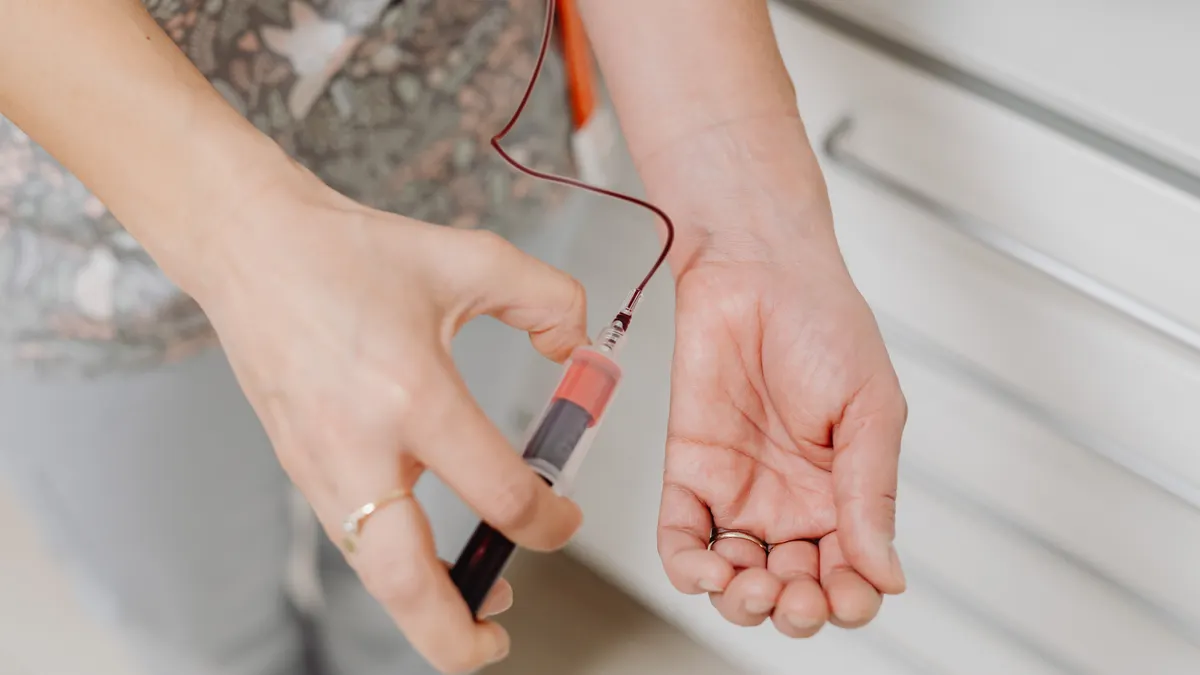
An abnormal gestational diabetes screen usually leads to a diagnostic oral glucose tolerance test, and that next test is what decides whether gestational diabetes is present. In many clinics, the follow-up is the 3-hour oral glucose tolerance test, though protocols vary by setting. The obstetric provider or pregnancy care team should explain which test is being ordered and what preparation is needed.
The next step is usually straightforward, even when the result feels alarming. The care team reviews the number, checks whether the test was done under the right conditions, and decides whether a diagnostic test is appropriate. If the screen is only mildly elevated, some clinics still proceed to the diagnostic test. If the screen is very high, some practices may treat that as a stronger signal, but the exact approach depends on local protocol and clinical judgment, so patients should confirm the plan with a professional.
This is where patients often lose time by guessing. A common mistake is assuming the result means immediate diet changes are the only answer. Others assume nothing more is needed because the person feels well. The right move is to confirm the next test, the timing, and any prep instructions with the pregnancy care team.
For a written overview of the broader process, the hub page Gestational Diabetes Diagnosis and Testing is the right companion. This page stays focused on the meaning of the screening result itself.
When reading the report, look for the test name, the exact value, the cutoff used by that lab, and any note about fasting or timing. A result from a 1-hour screening test should not be read like a fasting glucose value or a home glucose monitor reading. Those are different measurements.
The common mistakes people make after a failed screen
A failed screen often triggers panic, overcorrection, or delay, and all three can get in the way of the next step. The most useful response is to treat the number as a prompt for follow-up, not as a crisis, and to review it with a qualified professional.
- Assuming the diagnosis is already confirmed: A screening result is not the same as a diagnostic result — wait for the oral glucose tolerance test or the decision your obstetric provider makes based on the full picture.
- Reading the lab label instead of the number: “Abnormal” can hide the cutoff used — check the actual value and reference range on the report.
- Changing diet aggressively before the next appointment: Sudden changes can make the situation harder to interpret — ask the pregnancy care team how they want you to proceed.
- Ignoring the result because you feel fine: Gestational diabetes often has no obvious symptoms — the follow-up test still matters.
- Confusing the screening drink with a diagnosis: The glucose challenge test is a filter, not the final answer — the oral glucose tolerance test is the usual diagnostic follow-up.
One more trap is comparing notes with other pregnant people and assuming one number should mean the same thing for everyone. It should not. Different labs may use different thresholds, and a person’s risk profile can change how a clinician interprets the result. A screening threshold is a tool, not a universal truth.
When the standard next step does not apply
The usual next step does not apply when the test was done under unusual conditions, the report is incomplete, or the pregnancy care team has already chosen a different pathway. In those cases, the result still matters, but the follow-up may change.
The test was not done with the standard glucose challenge protocol: The number may be hard to interpret — ask whether the result can be compared with the clinic’s usual screening cutoff before making assumptions.
The report does not show the cutoff or the lab reference range: The meaning of “abnormal” is incomplete — get the full report, because the threshold used by one lab may not match another.
The person could not keep the glucose drink down: The result may not be valid — the pregnancy care team may repeat the test or choose a different approach.
There is a history of a prior abnormal glucose test in pregnancy: The team may move faster to diagnostic testing — tell the obstetric provider about that history, because it changes the context.
There are symptoms or other pregnancy findings that worry the clinician: The follow-up may need to be individualized — do not rely on the screening result alone when the clinical picture is more complex.
These exceptions are one reason self-interpretation has limits. A failed screen is not a standalone story. It is one piece of a prenatal evaluation that may also include growth checks, prior pregnancy history, and other blood work. The result can be important without being final.
How should I read the number on the lab report?
Read the number as a prompt for follow-up, not as a diagnosis. The result should be interpreted alongside the test name, the cutoff, and whether the sample was drawn at the correct time after the glucose drink. A “positive” screen means the body’s response was high enough to justify more testing, usually the oral glucose tolerance test.
The most useful details are small ones: whether the test was the 50-gram screening test, whether the blood was drawn at about 1 hour, and what cutoff the lab used. If the report only says “failed,” it leaves out the information needed to understand the next step. A person can pass one protocol and fail another, even with the same blood sugar value, because the threshold is different.
This is also why online comparisons are misleading. A friend’s number, a message board cutoff, or a chart from another clinic may not match the protocol used in your pregnancy. What matters is the specific report in hand and the pregnancy care team’s interpretation.
A good result, in practical terms, is one that leads to the correct next step without confusion. If the screen is abnormal, that means the next step is usually diagnostic clarification. If the screen is normal, it means the test did not suggest the need for further evaluation on that occasion. Either way, the number is useful only when it is read in context.
Where to get clarity without guessing
The fastest path to clarity is to ask the obstetric provider or pregnancy care team what test was done, what the cutoff was, and what happens next. That is the right place to clarify whether the result was from a 1-hour glucose challenge test or whether a diagnostic oral glucose tolerance test is already scheduled.
Before the appointment, gather the exact lab report, the date of the test, the glucose value, and any instructions that were given before the draw. If the result was done in a hospital, clinic, or outside lab, the test name may be listed differently on each report. A blood sugar value without the method is easy to misread.
If the report is unclear, ask one direct question: “Was this a screening result or a diagnostic result?” That single sentence can prevent a lot of confusion. It also helps the pregnancy care team decide whether the next step is simply repeat testing, a diagnostic test, or another review of the chart.
For trustworthy background on pregnancy screening and diabetes, the American College of Obstetricians and Gynecologists and the National Institute of Diabetes and Digestive and Kidney Diseases both publish patient-facing material that explains why screening and diagnosis are not the same thing.
Key Takeaways
- A failed gestational diabetes screen is a warning sign, not a diagnosis.
- The glucose challenge test is designed to find who needs more testing, not to settle the question on its own.
- The usual follow-up is a diagnostic oral glucose tolerance test, but the exact next step depends on the clinic’s protocol.
- The number matters more than the word “abnormal,” because lab cutoffs and methods vary.
- A qualified pregnancy care team should interpret the result in the context of the full pregnancy picture.
Does a failed screening test mean I have gestational diabetes?
No, a failed screening test does not by itself mean you have gestational diabetes. It means the result was high enough that more testing is usually needed. The oral glucose tolerance test is the usual diagnostic follow-up, and only that step can confirm whether the condition meets the clinical definition.
What happens after an abnormal gestational diabetes screen?
An abnormal screen usually leads to a diagnostic oral glucose tolerance test, along with review of the exact lab value and cutoff. The obstetric provider or pregnancy care team may explain how to prepare, when to go, and whether any special instructions apply. The next step depends on the clinic protocol and the pregnancy context.
Can stress or eating affect the screening result?
Yes, timing, food intake, illness, and stress can affect glucose results, but the size of the effect varies and should not be assumed. The important question is whether the test was done under the protocol the clinic expects. If there is any doubt, the pregnancy care team should review the result and the circumstances of the test.
Drafted with AI; not yet reviewed by a person.