Last updated: October 12, 2026
Quick Answer: Gestational diabetes is high blood sugar first found during pregnancy, and it affects about 2% to 10% of pregnancies in the U.S. This what is gestational diabetes? simple explanation is: a pregnancy blood-sugar problem that often needs medical monitoring and planning. Talk with a qualified clinician about your own situation if you think it might apply to you.
- Gestational diabetes is high blood sugar first found during pregnancy.
- It affects about 2% to 10% of pregnancies in the U.S.
- It can change monitoring, nutrition planning, and delivery discussions.
- It is not something to self-diagnose from symptoms alone.
- It often needs screening, not guesswork.
Pregnancy can expose a lot, and blood sugar is one of the first things to show it. Gestational diabetes is high blood sugar first found during pregnancy. Usually, the body has a harder time using insulin while the placenta is doing its job, and that can affect both pregnancy care and delivery planning. I write about health topics for readers who need plain English, not medical jargon, and I want to say this early: talk with a qualified clinician about your own situation if you think this might apply to you.
The Real Difference Between Gestational Diabetes and “Normal” Pregnancy Blood Sugar
Not every pregnancy wobble means diabetes. Gestational diabetes is not just a bigger appetite, more fatigue, or the usual pregnancy discomforts. Instead, it is a blood-sugar problem a clinician identifies during pregnancy, often after a routine screening. The main difference is practical: it changes how pregnancy is monitored. A pregnancy without gestational diabetes usually follows standard prenatal care. A pregnancy with gestational diabetes often needs closer follow-up because blood sugar can affect how the pregnancy progresses.
Here’s the simplest picture. Pregnancy naturally makes the body work harder to manage glucose. For some people, that extra strain pushes blood sugar above the healthy range. Major groups such as the American Diabetes Association and ACOG describe this as a pregnancy-specific form of diabetes, not the same thing as type 1 diabetes and not always the same as type 2 diabetes, even though the names sound similar. The ADA and ACOG both emphasize screening in pregnancy.
This distinction matters because a generic article often throws all diabetes into one pile. Gestational diabetes is different in timing and in what happens next. It may go away after pregnancy, but it also signals a higher chance of blood-sugar problems later. No crystal ball here. Still, it does not mean a bad outcome is inevitable. It means the condition deserves attention instead of guesswork.
If you want the one-sentence answer, mine is this: gestational diabetes is pregnancy-related high blood sugar that usually needs medical monitoring, and the sooner it is understood, the easier it is to plan care.
Gestational Diabetes: Who Should Actually Worry About It, and Who Shouldn’t
Most of the concern lands on someone who is pregnant or has been told they need screening during pregnancy. It is not a condition for self-diagnosis from a few symptoms online. In fact, many people have no obvious symptoms at all, which is one reason screening exists. According to ACOG and the American Diabetes Association, screening is part of routine prenatal care in many settings.
Who should pay close attention? Someone who has been told their blood sugar was elevated during pregnancy, someone with a history of gestational diabetes in a previous pregnancy, or someone whose clinician has already raised the possibility during prenatal visits. People with certain risk factors may be screened more closely, though risk factors vary and do not guarantee anything.
Who should not assume they have it? Anyone who is not pregnant. Gestational diabetes, by definition, happens during pregnancy. A reader trying to understand ongoing diabetes outside pregnancy needs a different conversation, because the causes and management can be different.
The strength of this “watch and confirm” approach is that it avoids panic and guesswork. The weakness is that it can feel vague until a clinician explains the results clearly. That vagueness frustrates people, but it is still better than pretending an online article can replace testing.
I would not use a symptom checklist as proof one way or another. Pregnancy can bring thirst, hunger, and tiredness for many reasons. If you are trying to diagnose yourself from symptoms alone, please consult a clinician, because symptoms are not enough for diagnosis.
The Specific Situations Where Gestational Diabetes Matters Most
Gestational diabetes matters most when you are trying to understand what changes in pregnancy care, not just what the label means. In practical terms, it can influence food planning, blood-sugar monitoring, follow-up visits, and discussions about timing of delivery. That is why clinicians take it seriously even when the person feels fine.
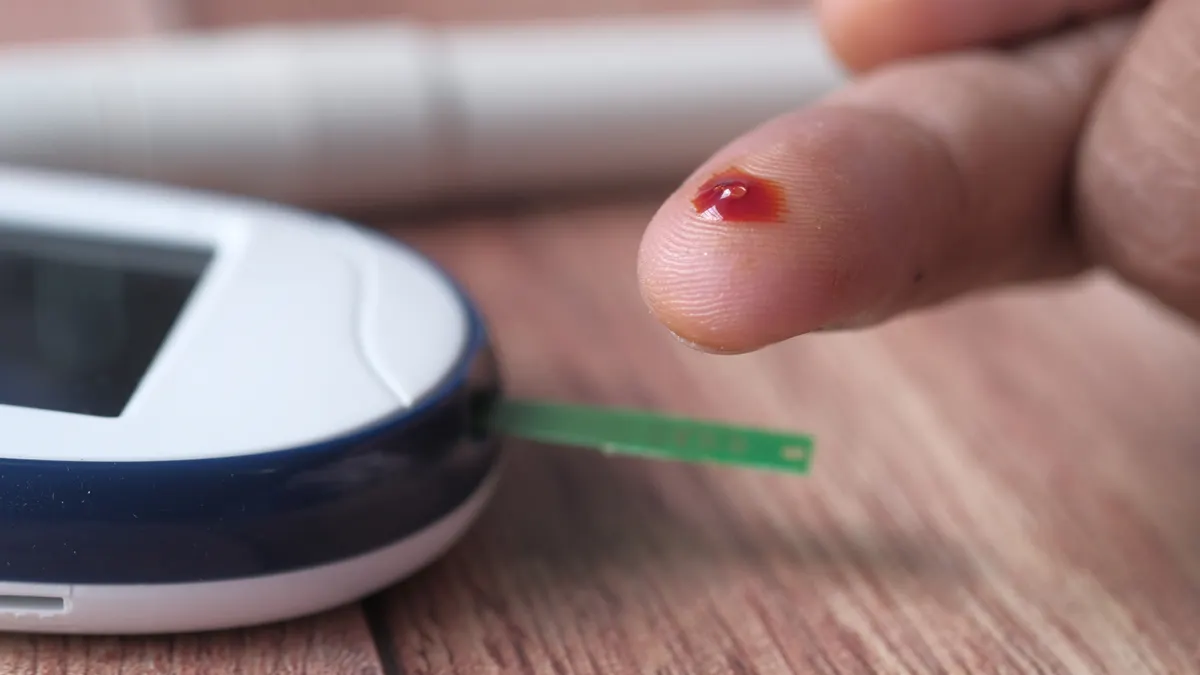
The biggest strength of identifying it is that it gives the care team a reason to watch patterns instead of waiting for a problem to become obvious. Clinical guidance commonly emphasizes monitoring because blood sugar patterns can matter even when symptoms are mild or absent. That is the real value: more information, better planning. In many clinics, this means self-monitoring several times a day. Quietly, that extra tracking is the whole ballgame.
The downside is that the diagnosis can be emotionally heavy. People often hear the word “diabetes” and assume they have failed. I do not think that is a fair interpretation. Pregnancy changes metabolism in ways no one fully controls. A diagnosis is not a moral judgment.
This is also where a generic article often leaves out the most useful point: gestational diabetes is not only about the person who is pregnant. It can shape newborn care and postpartum follow-up too. That is why it is worth taking seriously rather than brushing it off as a temporary nuisance.
If you are trying to decide whether this topic matters to you, my answer is yes if you are pregnant and have been told your blood sugar needs attention. It matters less if you are looking for a personal diagnosis online, because that is the wrong tool for the job.
The Honest Side-by-Side
Gestational diabetes and normal pregnancy are not the same experience, even if both can look ordinary on the surface. Here is the clearest comparison I can give without pretending that one paragraph can replace medical care.
| Criteria | Gestational Diabetes | Normal Pregnancy Blood Sugar | Winner for closer day-to-day simplicity |
|---|---|---|---|
| Need for monitoring | Often monitored more closely | Usually routine prenatal care | Normal pregnancy blood sugar |
| Meaning of the finding | Signals a blood-sugar problem during pregnancy | No diabetes-related finding | Normal pregnancy blood sugar |
| Impact on planning | May change appointments and delivery discussions | Usually fewer added steps | Normal pregnancy blood sugar |
| Need for follow-up after pregnancy | Often discussed because risk can remain higher later | Usually no diabetes-specific follow-up | Normal pregnancy blood sugar |
| Emotional load | Can feel stressful or confusing | Usually less diagnosis-related stress | Normal pregnancy blood sugar |
| Chance of being unnoticed without screening | Can be silent | Not a disease state | Normal pregnancy blood sugar |
| Need to ask a professional questions | High | Still important, but less diabetes-specific | Normal pregnancy blood sugar |
| Value of early identification | High, because it changes care planning | Not applicable | Gestational diabetes, if already present, for clarity |
The table above is blunt on purpose. The main difference is not “bad versus good.” It is “care changes versus care stays routine.” Gestational diabetes wins only in the sense that finding it gives the care team a clearer map. Normal pregnancy blood sugar wins on simplicity and less follow-up burden.
The trade-off is obvious: more monitoring can feel inconvenient, but it is there because the information is useful. A generic article would stop at the definition. That is not enough. Readers need to know what the label changes in real life.
What Is Gestational Diabetes? A Simple Explanation
If I had to explain gestational diabetes in one plain sentence, I would say this: it is pregnancy-related high blood sugar that needs professional attention because it can change monitoring and planning. That is the core of it. The strength of that definition is that it tells the truth without drama. The weakness is that it does not promise an outcome, because no responsible source should.
What it is not: it is not proof that you did something wrong, and it is not automatically a lifelong diabetes diagnosis. Some people hear the word and assume the worst immediately. That assumption creates more fear than clarity.
What it often does mean: clinicians may want a closer look at what is happening between visits, and they may discuss nutrition, activity, testing, or other care steps as part of pregnancy management. I am intentionally keeping that general, because specific plans belong to the person’s clinician.
This is the section most readers actually need when they search the term. They are not looking for a textbook definition. They want to know whether the label is serious, whether it changes anything, and whether they should be scared. My answer is: it is serious enough to take seriously, but not a reason to catastrophize.
Our Verdict: Which One to Choose and Why
Choose gestational diabetes as the thing to pay attention to if you are pregnant and have been told your blood sugar needs evaluation or follow-up. Choose normal pregnancy blood sugar as the simpler path if screening and professional assessment show no concern. Neither if you are trying to diagnose yourself from symptoms alone. If you are unsure, consult a professional and use screening results, not internet guessing.
That is the clean answer. Gestational diabetes matters because it turns pregnancy into a more closely watched process, and that extra attention is useful when a clinician has identified a blood-sugar issue. Normal pregnancy blood sugar wins when there is no diagnosis and no reason for extra diabetes-specific monitoring.
I would not recommend ignoring the question and hoping it goes away. The whole point of knowing the difference is that pregnancy care can be adjusted when needed. At the same time, I would not recommend reading every vague symptom as a sign of diabetes. That road leads nowhere useful.
If you want my plain-language verdict: if a clinician has brought up gestational diabetes, treat it as a real pregnancy issue that deserves follow-up, and check reliable guidance such as the CDC or ACOG. If no one has raised it, do not assume the label applies to you just because pregnancy feels hard.
Exception Scenarios That Change the Answer
Even so, the best course is simple for most readers: trust the screening process and the clinician’s interpretation. Still, there are a few cases where the usual answer flips or needs extra care.
First, if someone is pregnant and has symptoms that feel urgent or severe, the question is no longer “What is gestational diabetes?” The question becomes “What needs medical attention now?” An article cannot sort that out safely.
Second, if a person had diabetes before pregnancy, that is a different situation. Gestational diabetes is not the right label for pre-existing diabetes, even if pregnancy changes how it behaves.
Third, if someone has a previous history of gestational diabetes, the new pregnancy may deserve closer discussion earlier on. That does not mean it will happen again, but it does mean the topic should not be brushed aside.
Fourth, if someone is reading this after pregnancy and wondering what it means now, the conversation shifts to postpartum follow-up and long-term risk discussion. The pregnancy-only label no longer tells the whole story.
These are the moments when a generic explainer fails. It treats every reader like the same case. Real life is messier than that.
When to Reconsider This Choice Entirely
Because the pattern matters more than any single symptom, reconsider the whole “just wait and see” approach if you are pregnant and a clinician has already flagged blood-sugar concerns. That is the point where guessing stops being useful. Reconsider it too if you are using internet searches to decide whether you need care. Search results can explain a term; they cannot interpret your own labs.
The biggest limitation of any simple explainer is that it cannot tell you what your numbers mean, what your medical history changes, or what your clinician is seeing. That is not a flaw of the article alone. It is a limit of what any article can safely do.
My honest recommendation is this: use this explanation to understand the label, not to replace medical judgment. Gestational diabetes is a real pregnancy condition, but it is also one that is often manageable when it is recognized and discussed openly with a qualified professional.
Cost / Price
Because gestational diabetes is usually managed with prenatal care, the price can vary a lot by country, insurance plan, and what testing is needed. A screening glucose test may be covered as routine prenatal care, while extra visits, home glucose meters, test strips, or a nutrition consult can add cost. For many readers, the key question is not a single price but whether their plan covers pregnancy screening and follow-up.
If you are asking about out-of-pocket cost, the simplest next step is to ask the clinic or insurer for the code and estimate before testing or supplies. That is often the fastest way to avoid surprises.
Drafted with AI; not yet reviewed by a person.