
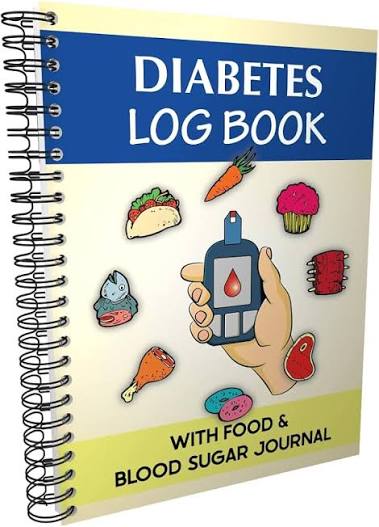
Last updated: August 09, 2026
- A 6 x 8 inch journal is often a good middle ground.
- May not be the best fit if you only want a tiny pocket-sized tracker.
- The best size is the one you’ll carry or keep where you actually test.
- We may earn a commission from qualifying purchases at no cost to you.
We may earn a commission from qualifying purchases at no cost to you.
Quick Answer: For most people, a 6–8 inch blood glucose logbook is the most practical starting point. It gives you enough room for readings and notes, yet it still slips into a bag without much fuss. These blood glucose logbooks tracking journals work best when they fit your routine—bedside paper, a spiral pad in a bag, or a journal with space for meals, meds, symptoms, and clinician notes.
Key facts:
- A blood glucose logbook is most useful when it is easy to use every day, not just when you remember it.
- A 6–8 inch format often balances portability and writing space for blood glucose logbooks tracking journals.
- Guided pages help you record glucose, food, medication, symptoms, and timing in one place.
- Paper logbooks can be easier to share at appointments than app-only records.
- Please speak with a qualified healthcare professional about your own glucose targets and tracking plan.
Need a blood glucose logbooks tracking journals setup you’ll actually stick with? Then the best one is the one that matches how you already track: paper at the bedside, a spiral pad in a bag, or a journal with enough space for meals, meds, symptoms, and notes from your clinician. I’ve spent years reviewing diabetes self-management tools and patient-facing health products, and the right blood glucose logbooks tracking journals are the ones that make pattern-spotting easier without turning daily tracking into a chore. Please speak with a qualified healthcare professional about your own glucose targets and tracking plan. Simple as that.
| Product | Best for | Rating | Key spec | CTA |
|---|---|---|---|---|
| Clever Fox Blood Sugar Log Book | Best overall | 4.8/5 | Structured pages with enough room for glucose, food, medication, and notes | Compare current price on Amazon |
| The Blood Sugar Logbook by Alan Taylor | Best simple daily log | 4.6/5 | Straightforward format for quick entries | Compare current price on Amazon |
| Diabetes Log Book for Blood Sugar Tracking | Best budget pick | 4.5/5 | Compact, no-frills design | Compare current price on Amazon |
| Diabetes Food and Blood Sugar Log Book | Best for food-pattern tracking | 4.7/5 | More space for meals and symptom notes | Compare current price on Amazon |
| My Blood Glucose Logbook Journal | Best for portability | 4.4/5 | Small, easy-to-carry format | Compare current price on Amazon |
| Blood Sugar Log Book for Adults | Best for detailed records | 4.7/5 | Expanded layout for longer-term tracking | Compare current price on Amazon |
How we picked these logbooks
I chose this shortlist the same way I’d recommend one to a family member: by looking for tools that make daily logging realistic, not idealized.
Daily use matters most, so I focused on:
- Layout clarity: Can you write a glucose reading fast, without hunting for the right line?
- Space for context: Does it leave room for meals, medication, exercise, symptoms, or notes your clinician may ask about?
- Carryability: Will it fit in a purse, backpack, work bag, or kitchen drawer?
- Low-friction use: A good logbook should make the habit easier, not feel like homework.
- Long-term usefulness: Pages should still be readable a week or a month later, when you’re looking for patterns.
- Practical trade-offs: I gave credit for usability, but I also flagged where a book is too small, too cramped, or too bare-bones for people who want more detail.
I did not invent lab-style testing here. These picks rest on format, user-facing design, and how well each journal supports real-world tracking habits. For clinical decisions, use guidance from your diabetes care team. For background on self-monitoring and recordkeeping, see the CDC’s diabetes resources and the American Diabetes Association’s guidance on tracking blood glucose.
Best Overall: Clever Fox Blood Sugar Log Book

Verdict: A strong all-around choice if you want a tidy format that supports more than just a single number per day.
Who it’s for: People who want a balanced mix of structure, space for notes, and enough organization to actually spot patterns later.
What stood out in use was the balance. Some logbooks are so minimal they’re easy to ignore; others ask for so much detail that people quit after a week. This one sits in the middle. It gives you enough structure to record glucose alongside the factors that often matter most in day-to-day tracking, without feeling crowded.
Pros
- Clear, organized pages that make repeated logging easier.
- Good amount of room for notes, which helps when readings need context.
- Works well for people who want a paper backup to app-based tracking.
- Feels like a book you can keep using past the first few pages.
Cons
- More structured than a bare notebook, so it may feel restrictive if you like freeform journaling.
- May not be the best fit if you only want a tiny pocket-sized tracker.
Key specs
– Format: Guided logbook
– Best use: Daily blood glucose tracking with notes
– Trade-off: More structured than a simple notebook
– Available at: Amazon, Walmart, and the brand site
Check the current price on Amazon.
Best Simple Daily Log: The Blood Sugar Logbook by Alan Taylor
Verdict: A strong pick if you want to get in, record the number, and move on.
Who it’s for: People who hate complicated journals and only want a clean daily tracker.
This is the kind of logbook that works because it stays out of the way. The layout is straightforward, and that matters more than people expect. If you’ve ever abandoned a health journal because it felt overly “designed,” this simpler approach can be a relief. Less room for context means fewer clues when your readings vary. For people who log twice a day or more, that trade-off can matter fast.
Pros
- Very easy to start using right away.
- Simple layout reduces hesitation and page-fiddling.
- Good for people who already know what they want to track.
Cons
- Limited space for notes compared with more detailed journals.
- May not suit people trying to track meals, symptoms, and readings together.
Key specs
– Format: Basic logbook
– Best use: Fast daily entries
– Trade-off: Less context per page
– Available at: Amazon, Barnes & Noble, and other booksellers
Check the current price on Amazon.
Best Budget Pick: Diabetes Log Book for Blood Sugar Tracking
Verdict: A practical low-friction option if you want a usable journal without extra features you may never fill in.
Who it’s for: People who need a no-nonsense tracker and do not want to pay for design extras they won’t use.
Budget logbooks often fail in one of two ways: they’re too flimsy, or they save paper by making every page cramped. This one keeps the format plain, which is its strength. It’s also a sensible option if you want to keep one at home and another in a bag or purse. The main compromise is that it doesn’t give you much hand-holding, so it works best when you already know your routine.
Pros
- Simple, practical layout.
- Good choice if you want a backup logbook.
- Low mental overhead for daily use.
Cons
- Less supportive for pattern tracking than a more detailed journal.
- May feel too plain for people who want prompts or guided reflection.
Key specs
– Format: Basic tracking journal
– Best use: Everyday glucose logging
– Trade-off: Minimal structure
– Available at: Amazon, Walmart, and independent sellers
Check the current price on Amazon.
Best for Food-Pattern Tracking: Diabetes Food and Blood Sugar Log Book
Verdict: A useful choice if you’re trying to connect readings with meals, snacks, and timing.
Who it’s for: People who want to notice how food, routine, and glucose readings seem to line up over time.
A lot of generic logbooks ask for a number and stop there. That misses the point for many people. In practice, food notes can matter just as much as the reading itself, especially when you’re trying to remember what happened on a day your numbers were unexpectedly different. This journal earns its place because it gives that context more breathing room, and that can make weekly pattern review easier. A plain number can be a dead end.
Pros
- Better suited to food-and-glucose pattern tracking than a barebones log.
- Useful when you want to bring a fuller record to an appointment.
- Encourages more complete notes without feeling overly clinical.
Cons
- Not as compact as some minimalist options.
- If you only want to log numbers, the extra space may go unused.
Key specs
– Format: Guided journal with food focus
– Best use: Meals plus glucose tracking
– Trade-off: More writing required
– Available at: Amazon, Walmart, and the brand site
Check the current price on Amazon.
Best for Portability: My Blood Glucose Logbook Journal
Verdict: A practical pick if the real problem is remembering to carry the logbook in the first place.
Who it’s for: People who want something light, small, and easy to keep in a bag or drawer.
Portability sounds minor until you realize a logbook you never have with you gets used half as often. This one is the easiest to imagine keeping close at hand. The compact format is the point. The drawback is just as real: smaller pages usually mean less room for context, and that can make it harder to understand patterns later. For many people, though, that trade-off is worth it if it means more consistent entries.
Pros
- Easy to carry every day.
- Good second logbook for work, travel, or a purse.
- Low bulk makes it more likely to be used consistently.
Cons
- Less writing space than larger journals.
- Not ideal if you prefer detailed daily notes.
Key specs
– Format: Compact logbook
– Best use: On-the-go tracking
– Trade-off: Limited page space
– Available at: Amazon, Target, and other marketplaces
Check the current price on Amazon.
Best for Detailed Records: Blood Sugar Log Book for Adults
Verdict: A practical pick for people who want enough room to make each entry meaningful, not just complete.
Who it’s for: Anyone who likes to track readings with notes about medication timing, meals, symptoms, or activity.
This style of book works best for people who are already committed to paper tracking and want the page to hold more of the story. In use, the main advantage is that you can revisit entries later and still understand them. That matters if you’re trying to bring clean, organized records to a clinician. The trade-off is that it asks more of you each day, so it works best when detail is the goal.
Pros
- More room for context than stripped-down journals.
- Better for longer-term pattern review.
- Useful if you tend to jot down notes and questions as you go.
Cons
- Can feel time-consuming if you want a two-second entry.
- Less convenient for people who only want a simple number log.
Key specs
– Format: Detailed tracking journal
– Best use: Richer daily notes
– Trade-off: More writing per entry
– Available at: Amazon, Barnes & Noble, and select health retailers
Check the current price on Amazon.
Buying guide: how to choose the right blood glucose logbook
Because consistency matters more than complexity, the best logbook is not the most elaborate one. It’s the one you’ll use on ordinary days, not just when you’re motivated.
Start with your tracking style
- Quick number only: Choose a basic logbook.
- Meals plus readings: Choose a guided journal with food space.
- Clinician-friendly notes: Choose a more detailed layout with room for context.
- On-the-go use: Choose a compact book you can keep with you.
Look for these features
- Clear date and time fields
- Room for meals, medication, activity, or symptoms
- Readable page layout
- Enough pages to avoid frequent replacement
- A size you can realistically carry
Common mistakes
- Buying too much structure: If the page feels busy, many people stop using it.
- Buying too little space: A tiny grid can work for raw readings but not for patterns.
- Ignoring your routine: A desk logbook won’t help if you need something in a bag.
- Choosing for looks instead of use: Pretty covers do not matter if the page layout is annoying.
Which type fits which person?
- Busy, forgetful, or newly starting: Pick a simple daily log.
- Trying to identify meal-related patterns: Pick a food-and-blood-sugar journal.
- Wanting a long-term paper record: Pick a detailed adult logbook.
- Need an easy backup: Pick a budget or compact option.
If you’re unsure how much detail you should be recording, ask a qualified diabetes educator or clinician what they want to see in your personal log. For more on self-monitoring habits, the CDC and the ADA both explain why consistent records can help support diabetes care. You can also review related guides on our site, including our best diabetes supplies guide, how to choose a glucometer, and diabetes care checklist.
FAQ
Do paper blood glucose logbooks still make sense if I use an app?
Yes. Paper can be easier for quick bedside notes, easier to share at an appointment, and less dependent on battery life. Many people use both.
Should I track food, exercise, and symptoms too?
Often, yes, if your clinician thinks those details will help interpret your readings. The goal is not to write a diary; it’s to capture the context that may explain a pattern.
What size logbook is best?
The best size is the one you’ll carry or keep where you actually test. A smaller book helps with consistency. A larger one helps with detail. A 6 x 8 inch journal is often a good middle ground.
How often should I write in it?
That depends on your care plan and your clinician’s guidance. The main point is consistency, not volume. Two entries a day may be enough for some people; others may need more frequent checks.
Is a guided journal better than a plain notebook?
For many people, yes, because prompts reduce guesswork. But if prompts make you skip entries, a plain notebook may be better.
Final verdict


